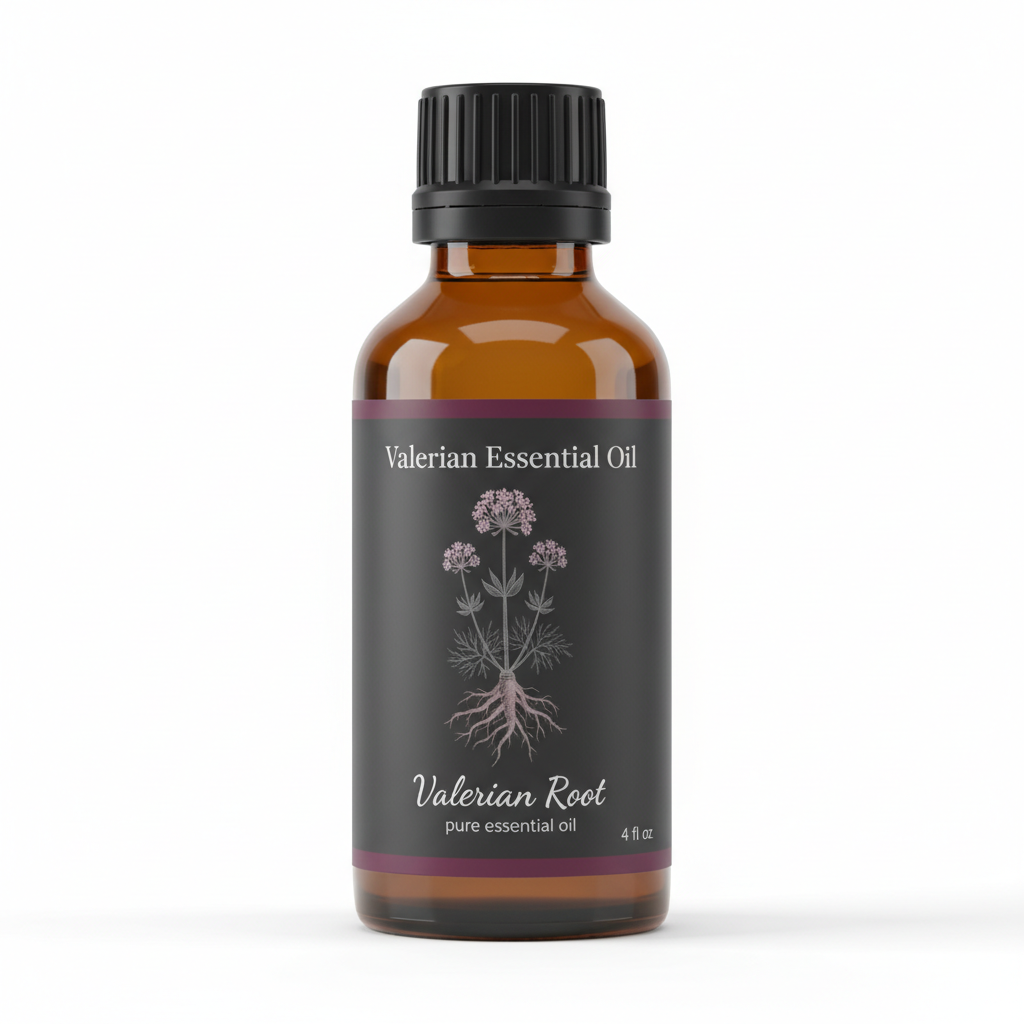
Valerian Oil and Dogs: What Vets and Poison Lines Say
Dogs lack the enzyme gap cats have, yet vets still warn about essential oils. Here is what they say about diffusers, fur and storage, and what we do.
Does Valerian Oil Go Bad? Shelf Life and Signs of Oxidation
Valerian oil does not spoil like milk, but it does change. Learn what oxidation does, how to spot an aged bottle, and the storage habits that slow it down.
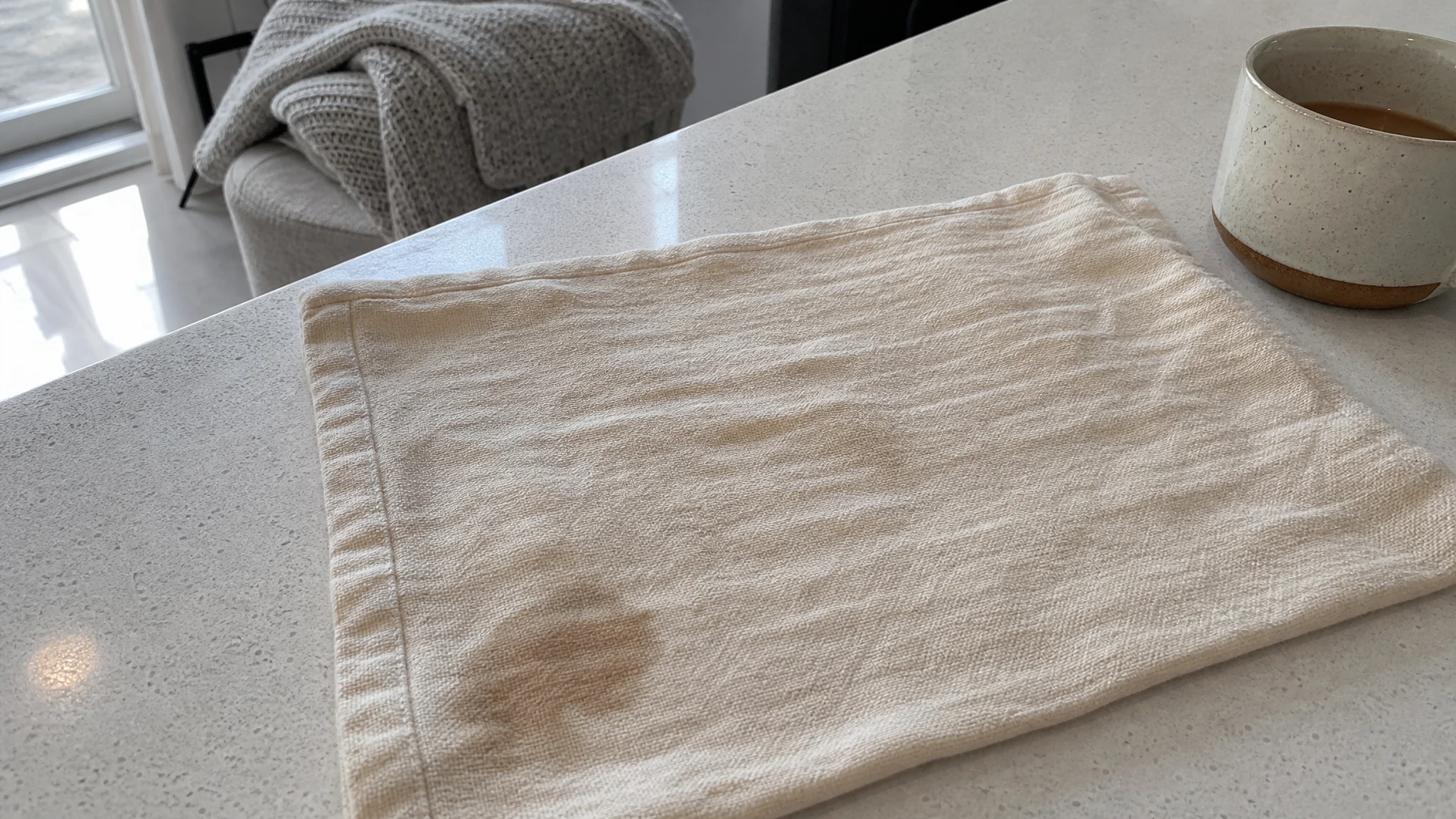
Does Valerian Oil Stain? Getting It Out of Fabric and Surfaces
A drip of valerian oil is a grease-type mark, and the smell can outlast it. Here is what extension services advise, and when to hand it to a dry cleaner.
Is Valerian Essential Oil Safe? What to Know
Most valerian safety data covers oral extracts, not a scent oil. What regulators say, how we dilute, and who should check with a professional first.

Valerian Oil and Pregnancy: What We Advise
No authority has defined a level of valerian you can rely on in pregnancy or nursing. What the sources say and why we recommend avoiding our oil for now.

Valerian Oil Around Kids: Storage Comes First
With small children at home, where the bottle lives matters more than how you use it. What regulators and poison experts say, and how we advise storing it.

Valerian Oil and Medications: Questions for Your Pharmacist
Interaction warnings for valerian concern oral products. What the sources say, where they differ and what to tell your pharmacist about the oil.
Valerian Side Effects: Capsules vs the Oil
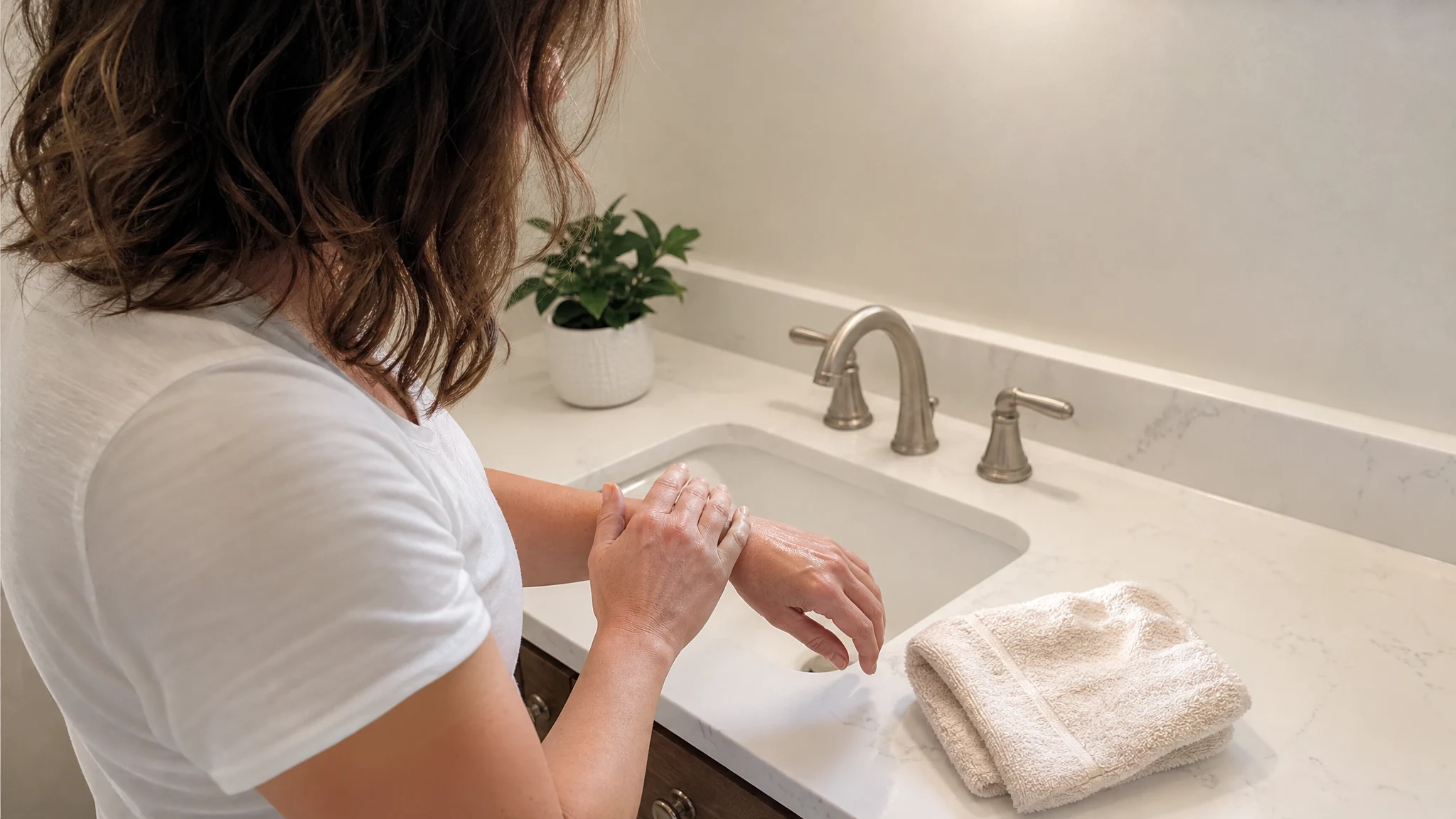
Most valerian side-effect lists come from capsules and tea. What is documented, what a skin reaction looks like, and how to keep one unlikely.

Valerian and Sleep: Where the Reputation Comes From
Valerian has a bedside reputation, but the studies behind it used swallowed root, not oil. What they found, and what our earthy aromatic oil is for.

Valerian Sleep Studies: What They Really Measured
Ask people whether they slept better and valerian studies look promising; time their sleep and the gap closes. A plain-English read of three key reviews.
How Long Does Valerian Take to Work? What Studies Timed
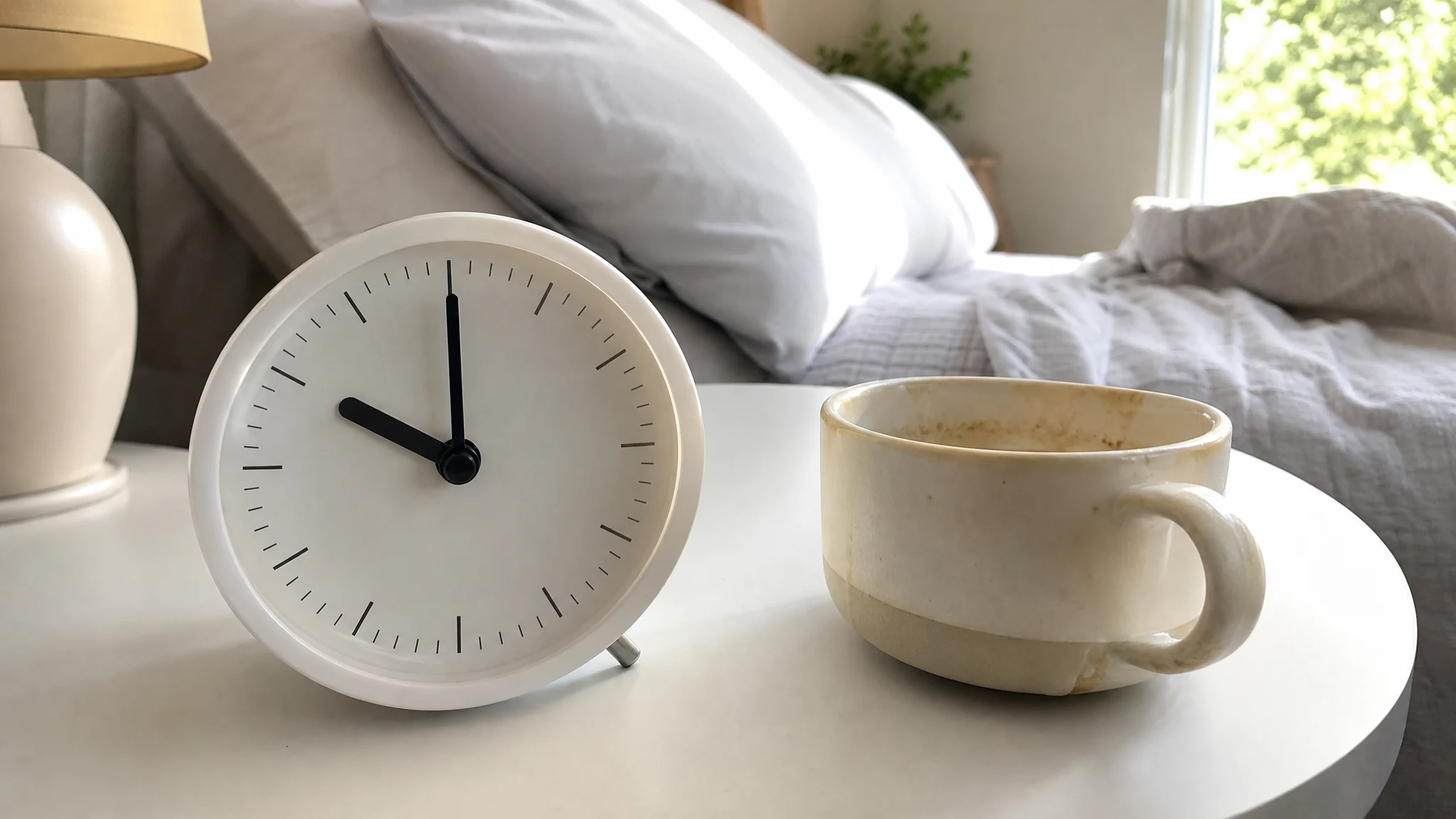
Studies of valerian never agreed on a clock, and none timed an essential oil. Here is what the trials measured and what that means for the scent.

Valerian and Jet Lag: Why Light Comes First
Jet lag is a clock problem, and the advice centers on light and timing. A worked timetable from CDC numbers, and why valerian oil stays out of the cabin.
Essential Oils and Sleep: What the Trials Really Show
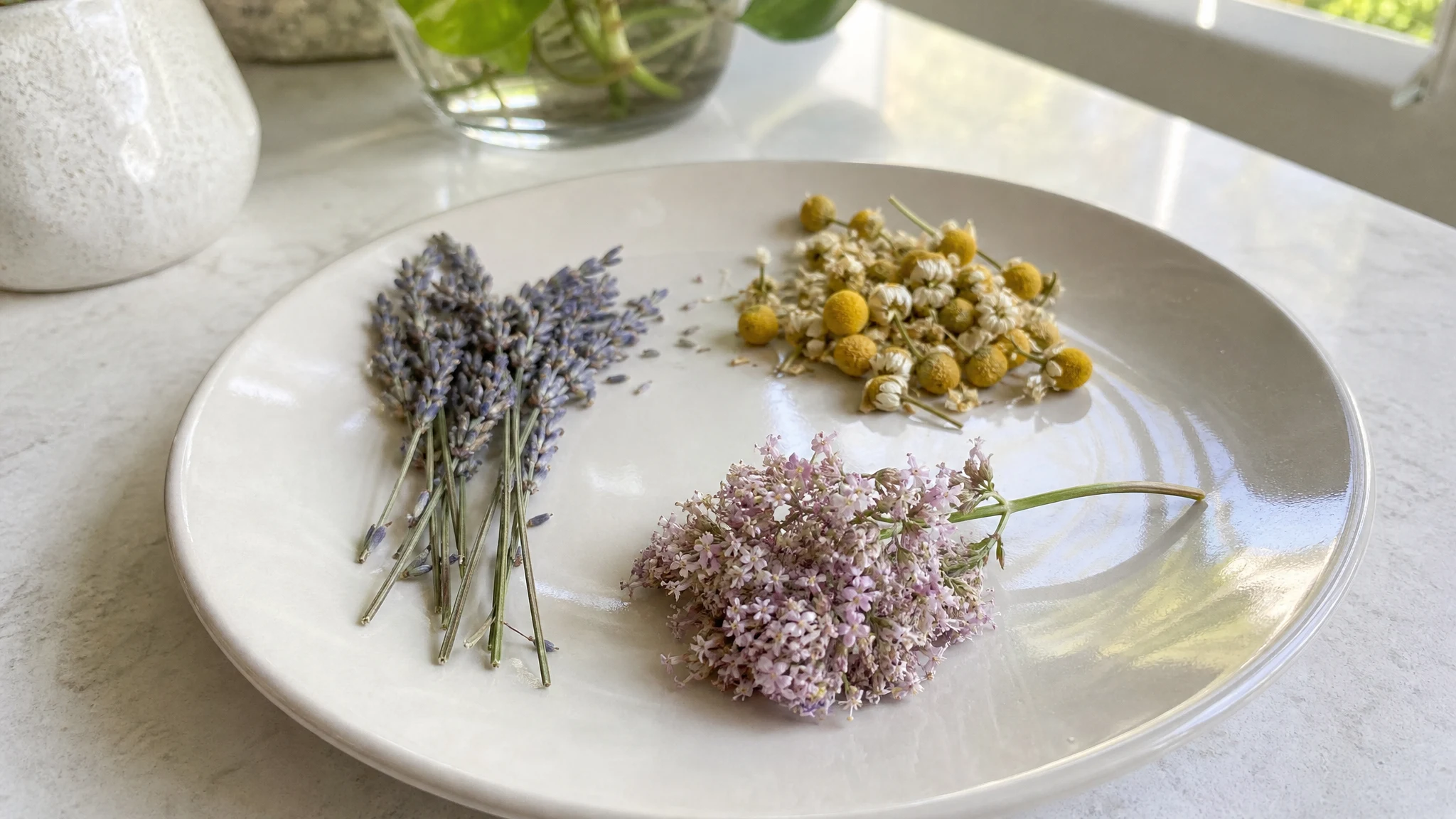
Why no essential oil has earned a best for sleep ranking, what the lavender trials measured, and where valerian fits in the research record.
Valerian vs Jatamansi vs Spikenard: Read the Latin Name
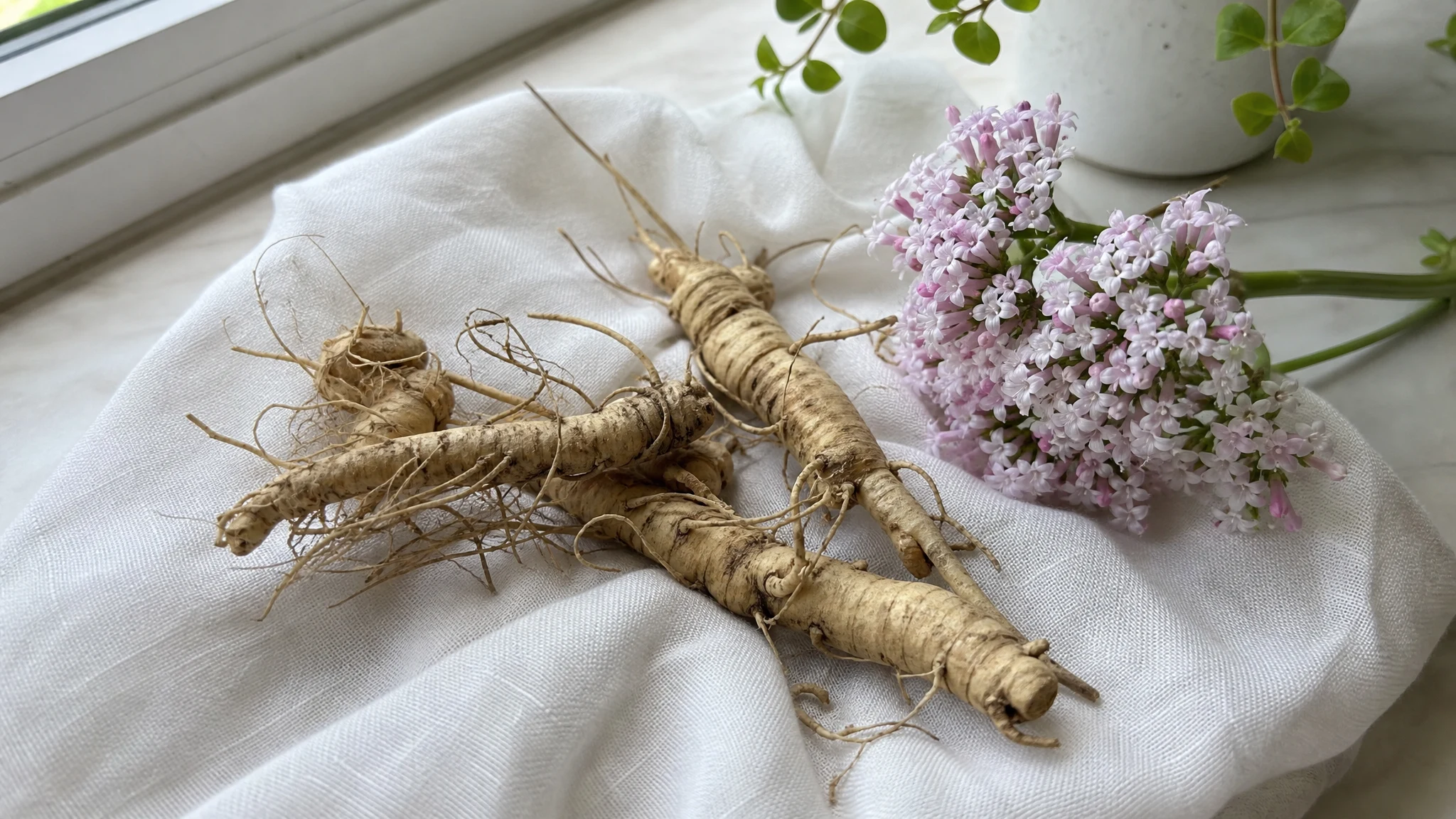
Valeriana officinalis, Valeriana jatamansi and spikenard are three different plants. Read the Latin name and plant part before you buy.

Can You Grow Valerian? Site, Soil and Local Rules
Valerian is a handsome, bee-friendly perennial with a weedy streak. Check local rules, then see what sun, soil and a home harvest really give you.

Valerian Oil on Skin: Dilution, Patch Test, Placement
No spot on the body is proven best for valerian oil. What matters is a careful dilution, a patch test, and wearing a very big aroma lightly.
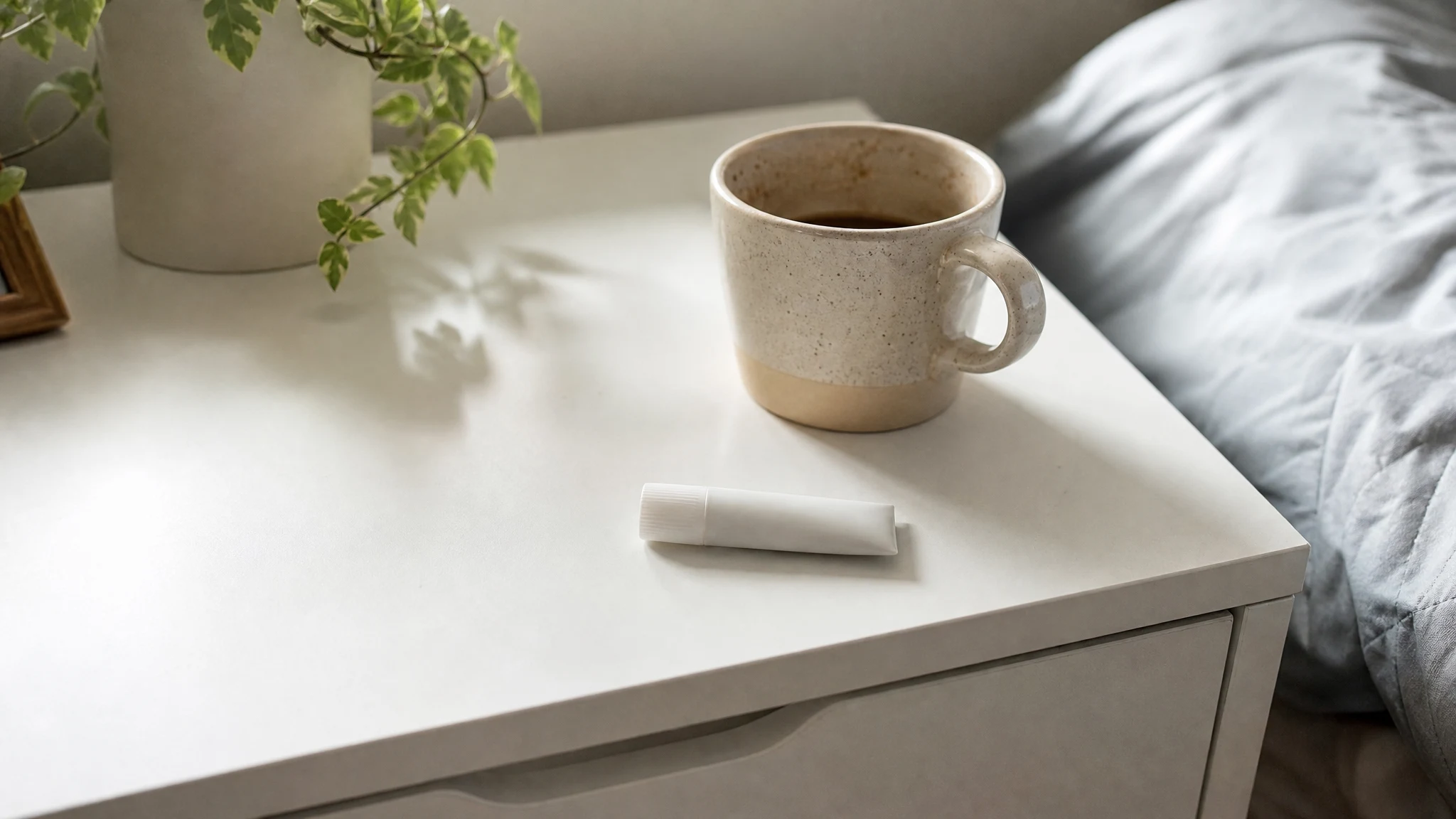
How to Make a Valerian Inhaler: One Drop, Done Right
A personal inhaler needs restraint with a strong base note. One drop of valerian to nine of a lighter oil, with the steps and the cautions.
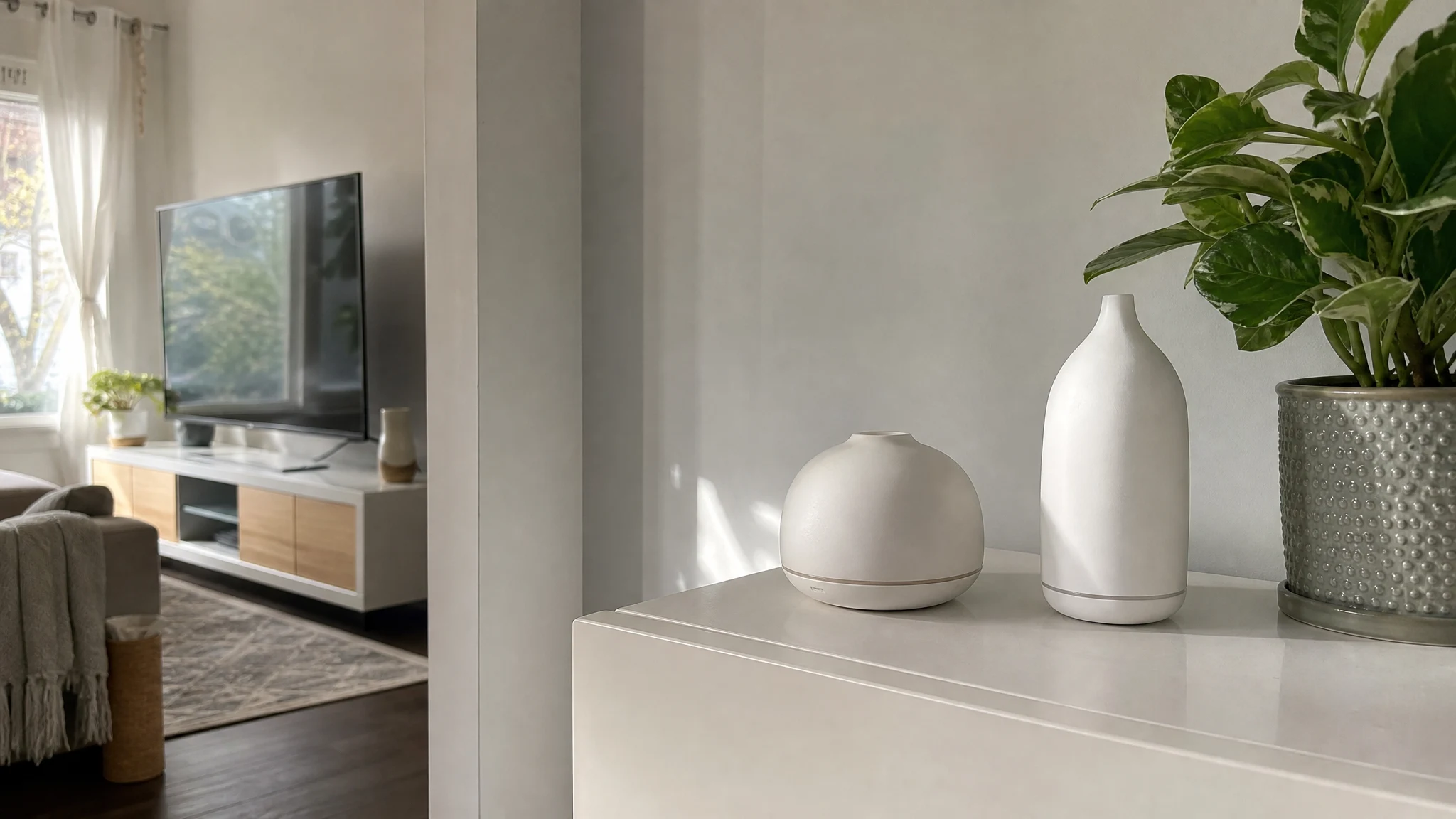
Best Diffuser for Valerian Oil: Ultrasonic or Nebulizer?
Ultrasonic or nebulizing, how many drops, and how to keep the machine clean: a practical look at diffusing a heavy, earthy root oil like valerian.
Valerian Roller Bottle: Drop Math and 3 Pairings
A 10 ml roller needs only a drop or two of valerian. The percent-to-drops arithmetic, plus three pairings built on paper with patchouli, cedar, lavender.
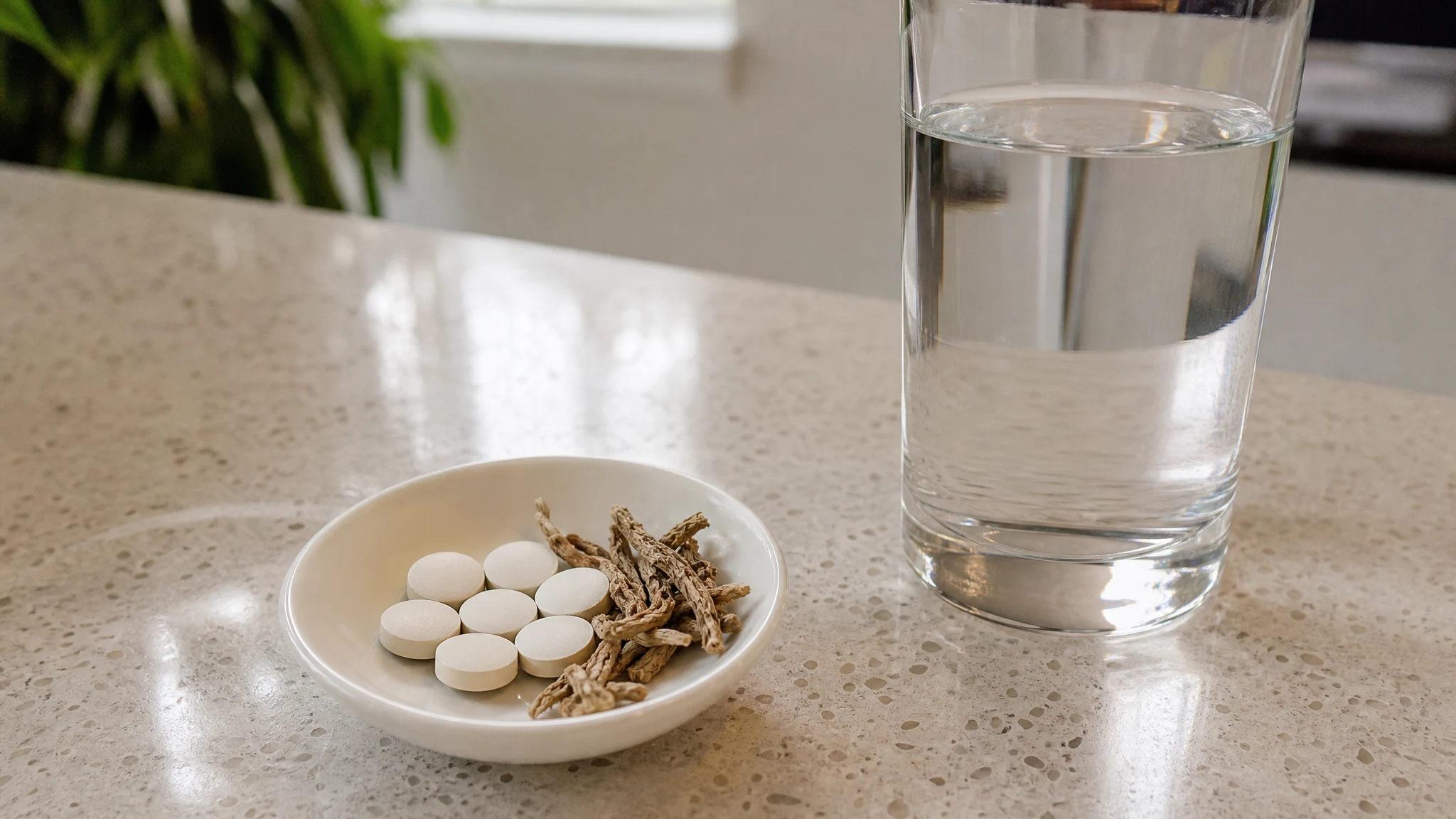
Valerian vs Melatonin: Same Aisle, Different Things
Valerian is a plant root, melatonin is a hormone, and our oil is neither. A plain guide to what each one is and what health agencies say.
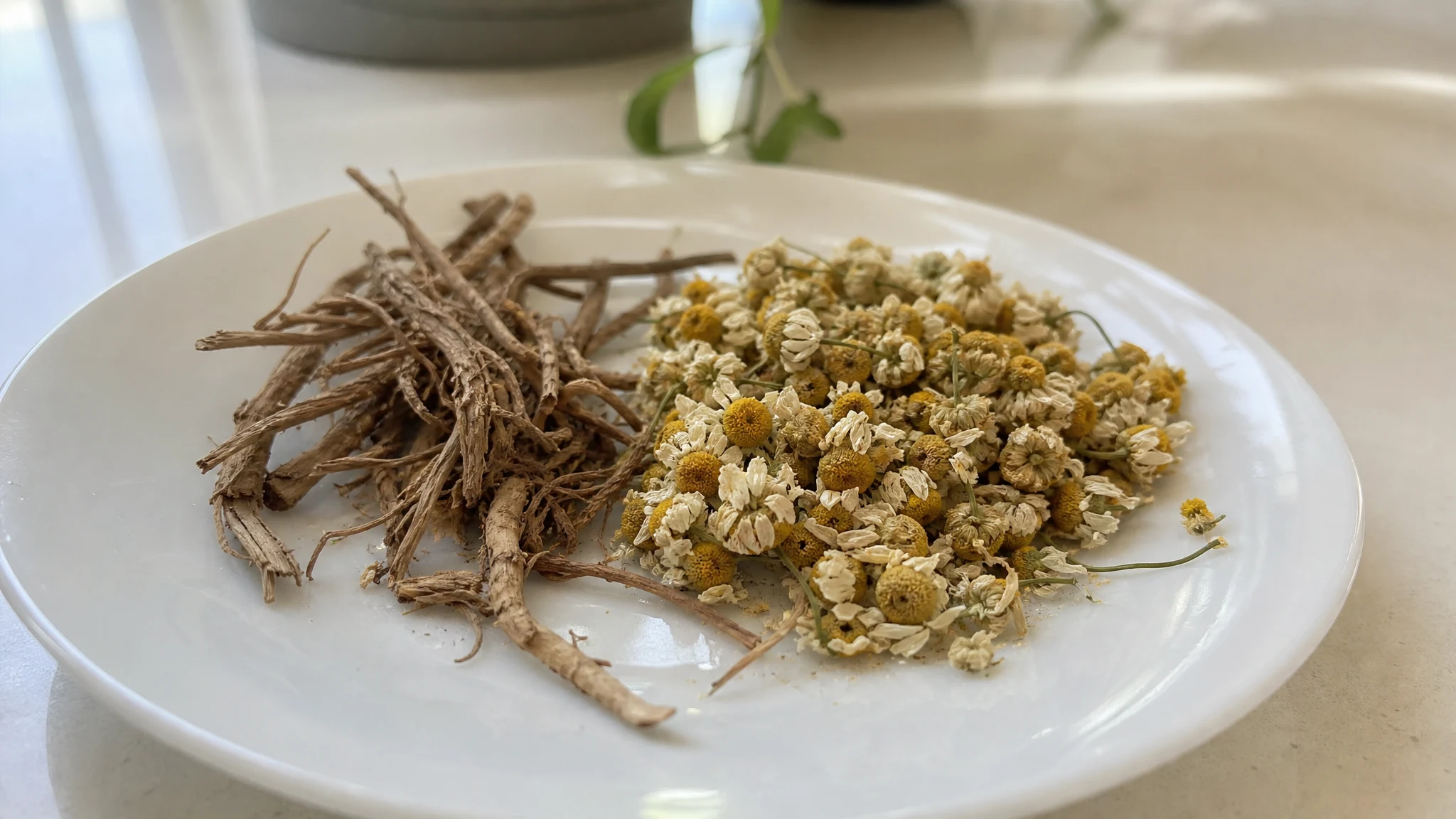
Valerian vs Chamomile Oil: Root or Flower?
One oil is distilled from a root, the other from a flower head. How valerian and chamomile differ in plant, evidence and allergy notes, and how to choose.
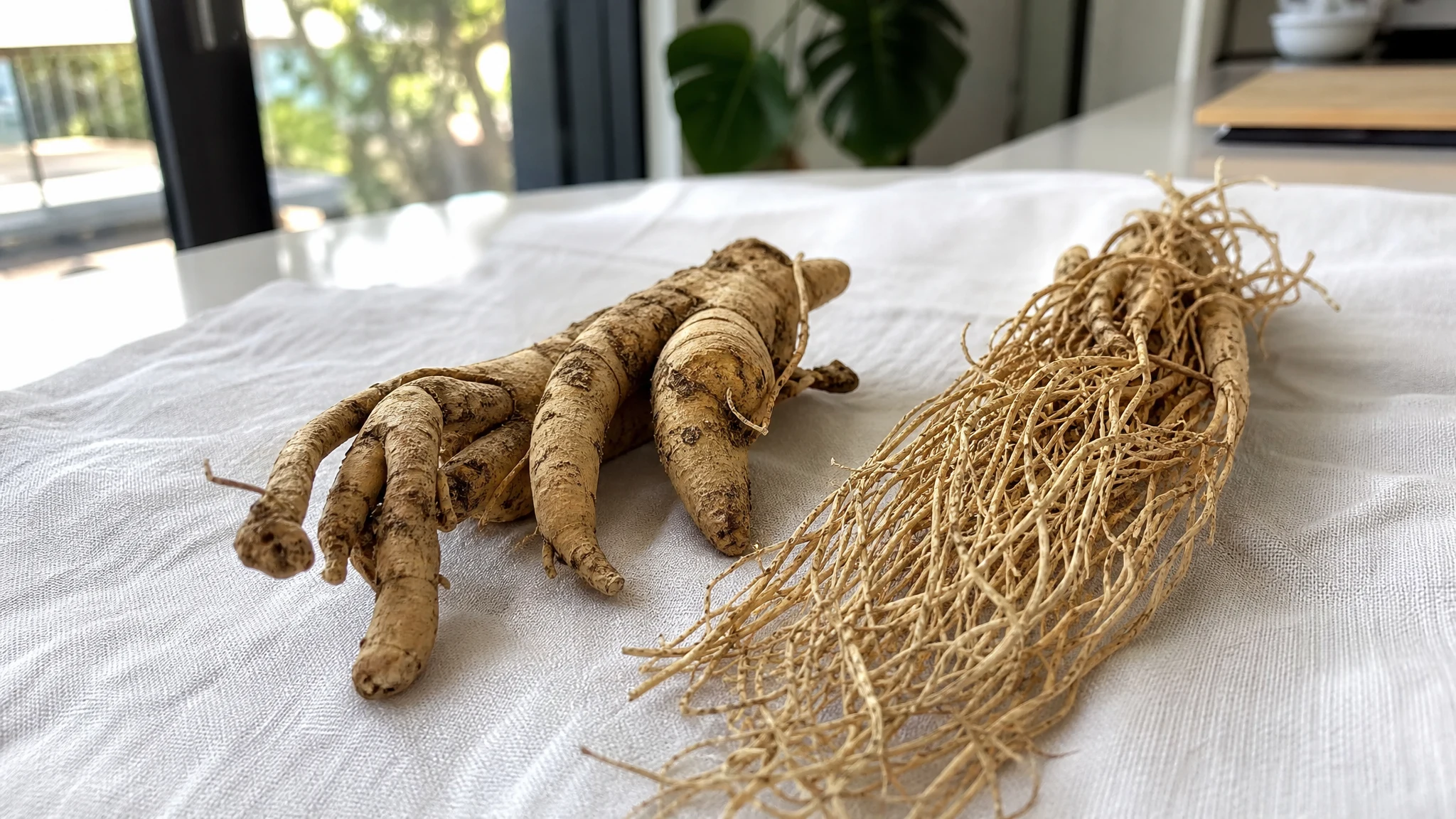
Valerian vs Spikenard: Why the Names Get Mixed Up
Two earthy root oils, three confusing botanical names. How valerian and spikenard really differ, and why jatamansi on a label needs a closer look.

Valerian Oil COA: How to Read Our Certificate
A line-by-line tour of the one-page certificate we publish: three measured numbers, what each means, and what to ask us for if you need more.

Valerian and Stress: What the Studies Actually Tested
Swallowed root, swallowed oil, scented gauze: the valerian stress studies used very different materials. A clear read on what each really showed.
Valerian Massage Oil Recipe: A Light-Handed Blend
Valerian is a big oil, so a massage blend starts low. Strength, drops for 30 ml, carrier choices and patch testing, all worked out in one place.

Valerian and Period Pain: What One Capsule Trial Found
One well-designed trial tested valerian capsules for period pain. What it found, what the NHS suggests, and why our oil is sold as an aroma only.

Can You Wear Valerian Oil During the Day?
A bold root oil with a long tail suits an evening at home better than a commute or a meeting room. Here is how we think about valerian in daytime spaces.

Valerian and Restless Legs: Two Small Trials Explained
Two small trials gave valerian by mouth to people with restless legs. What they reported, why the numbers are small, and what the NHS says to do first.

Valerian Oil for Yoga and Meditation: Keep It Home
Meditation has a research base of its own, and a big root oil is not part of it. Where valerian fits near a mat or cushion, and where it should stay home.
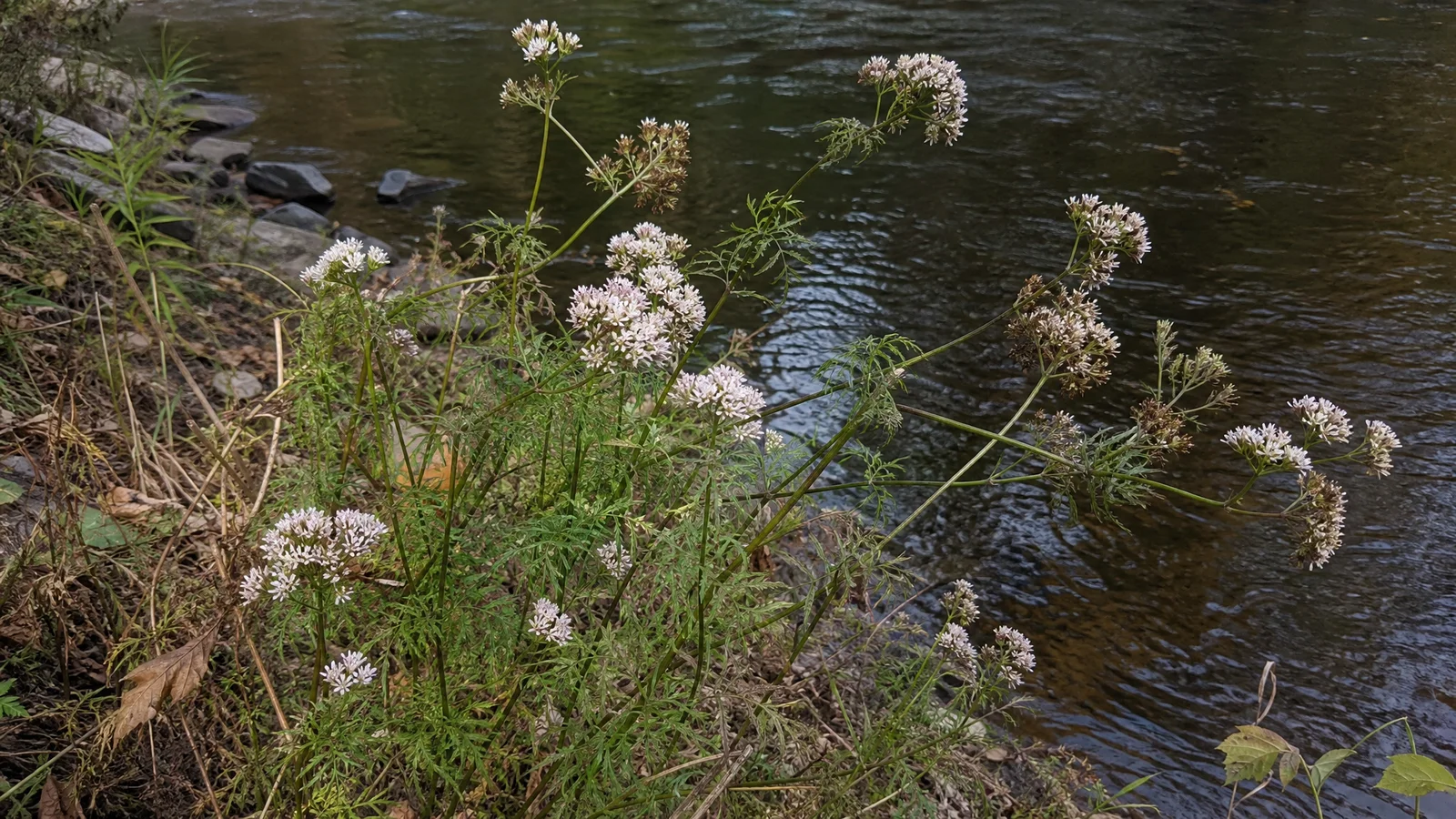
What Is Valerian Essential Oil? A Plain Guide
A deep, musky base note steam-distilled from valerian root. What it is, what is in it, and how it differs from the capsules and tea you may know.
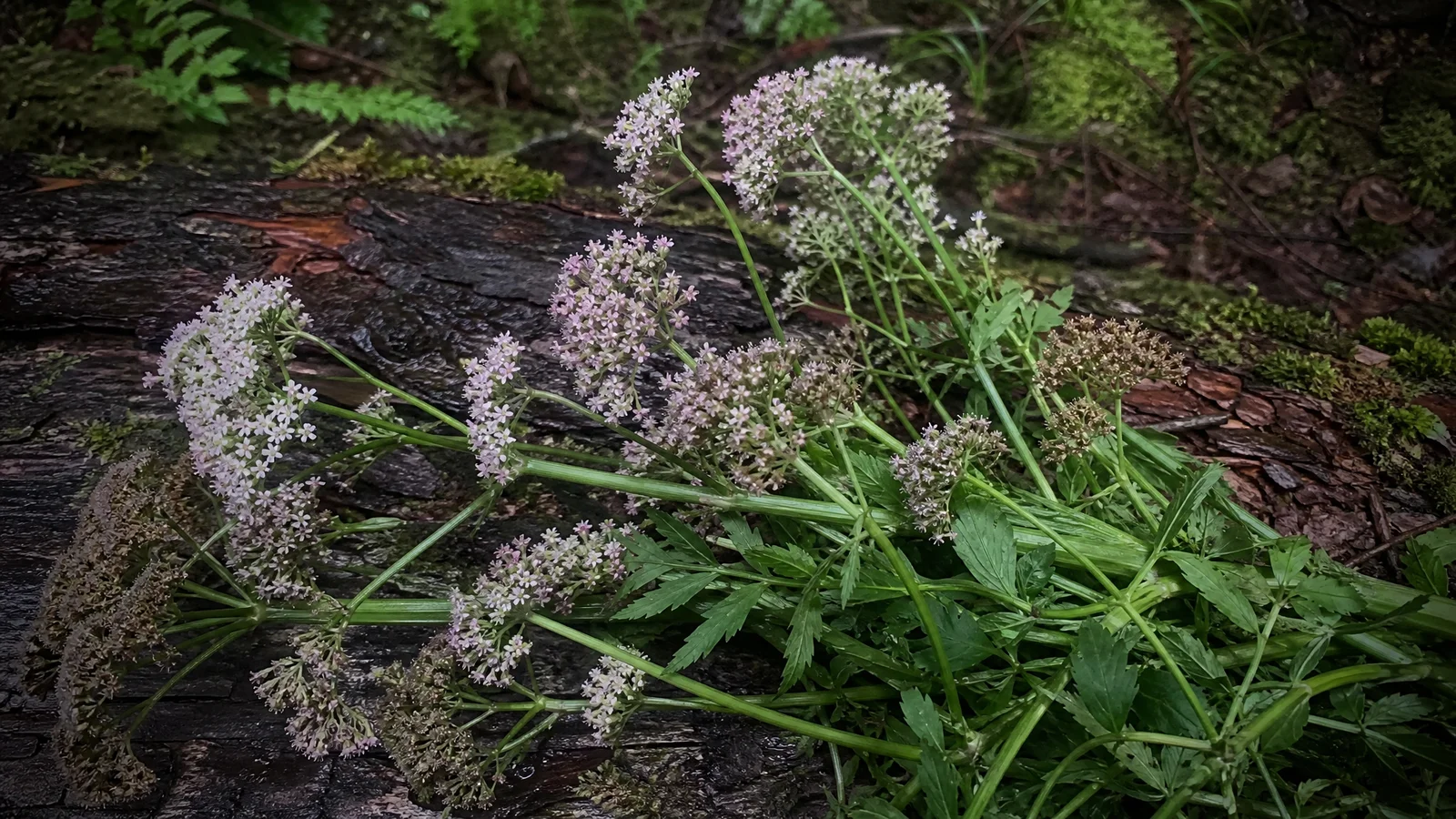
What Does Valerian Oil Smell Like? An Honest Nose Guide
Woody, balsamic, musky and a little wild. What perfumers say valerian oil smells like, and how to find out if it is the right scent for you.
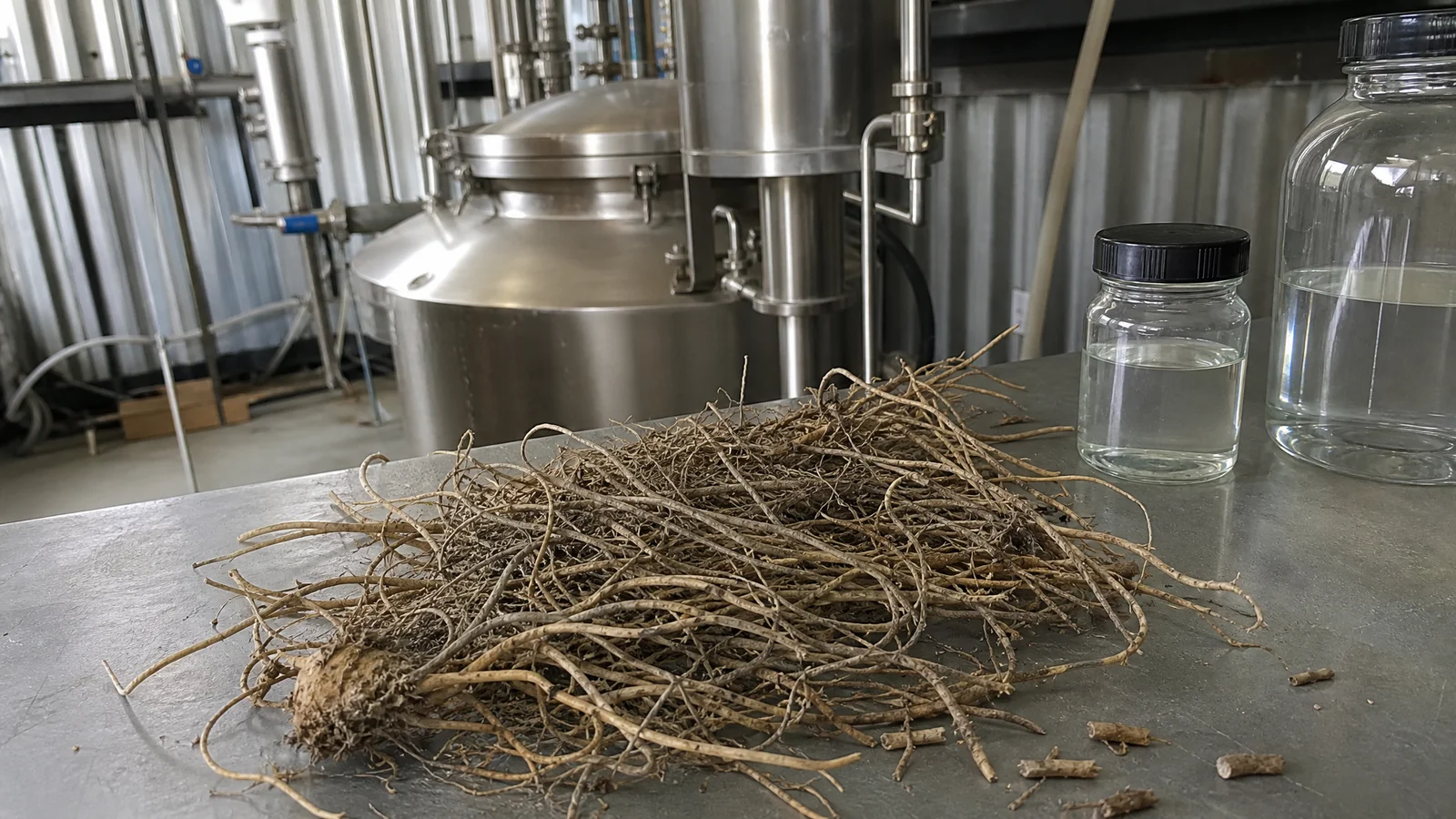
How Valerian Oil Is Distilled, From Root to Bottle
A kilogram of dried root gives only a few grams of oil, and drying changes what ends up in it. How steam turns a knobbly root into a bold oil.
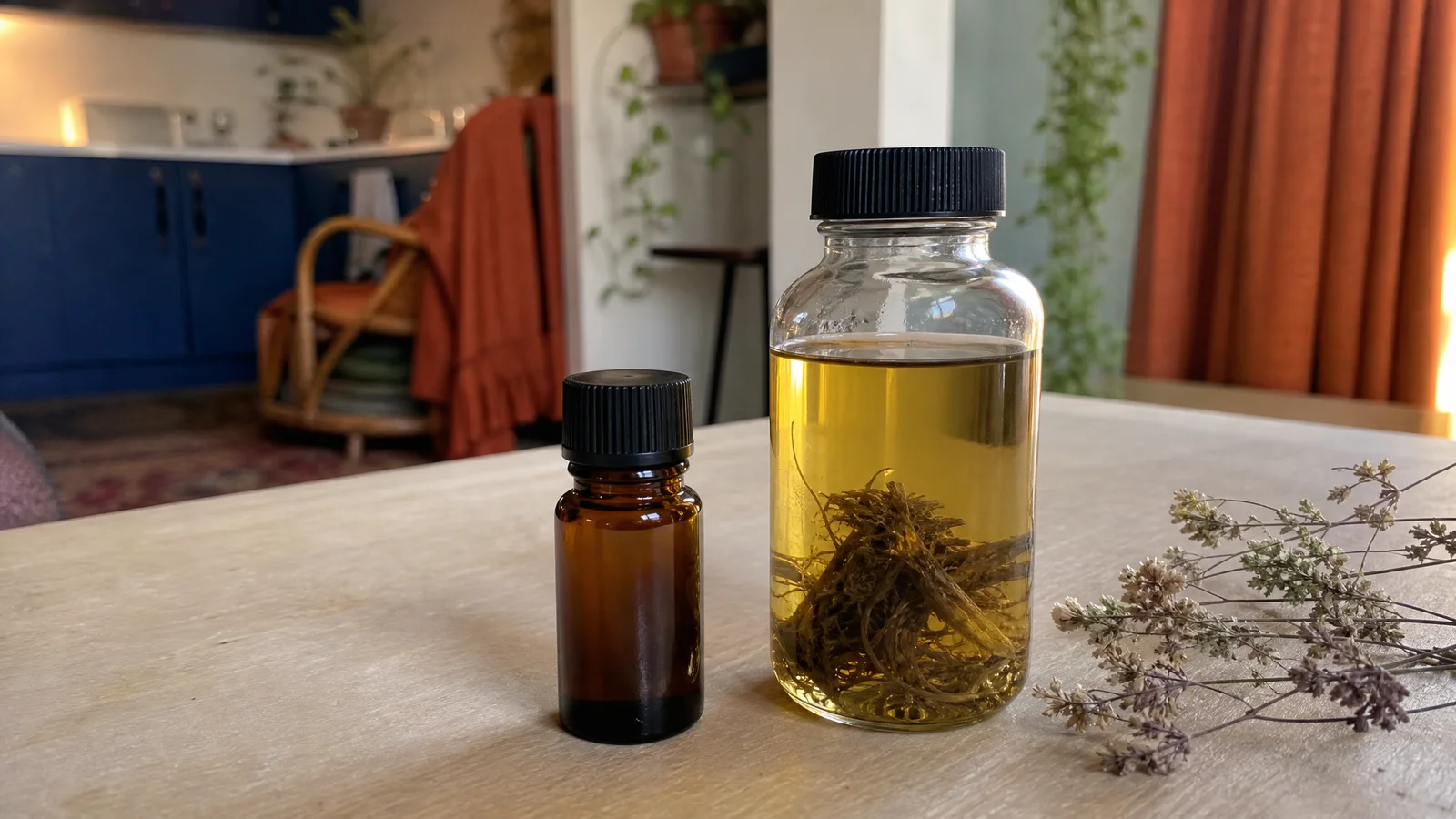
Valerian Root Oil or Essential Oil? Decoding the Label
Four different products hide behind the name "valerian root oil". A quick key to the ingredient line, the Latin name and what each means for dilution.
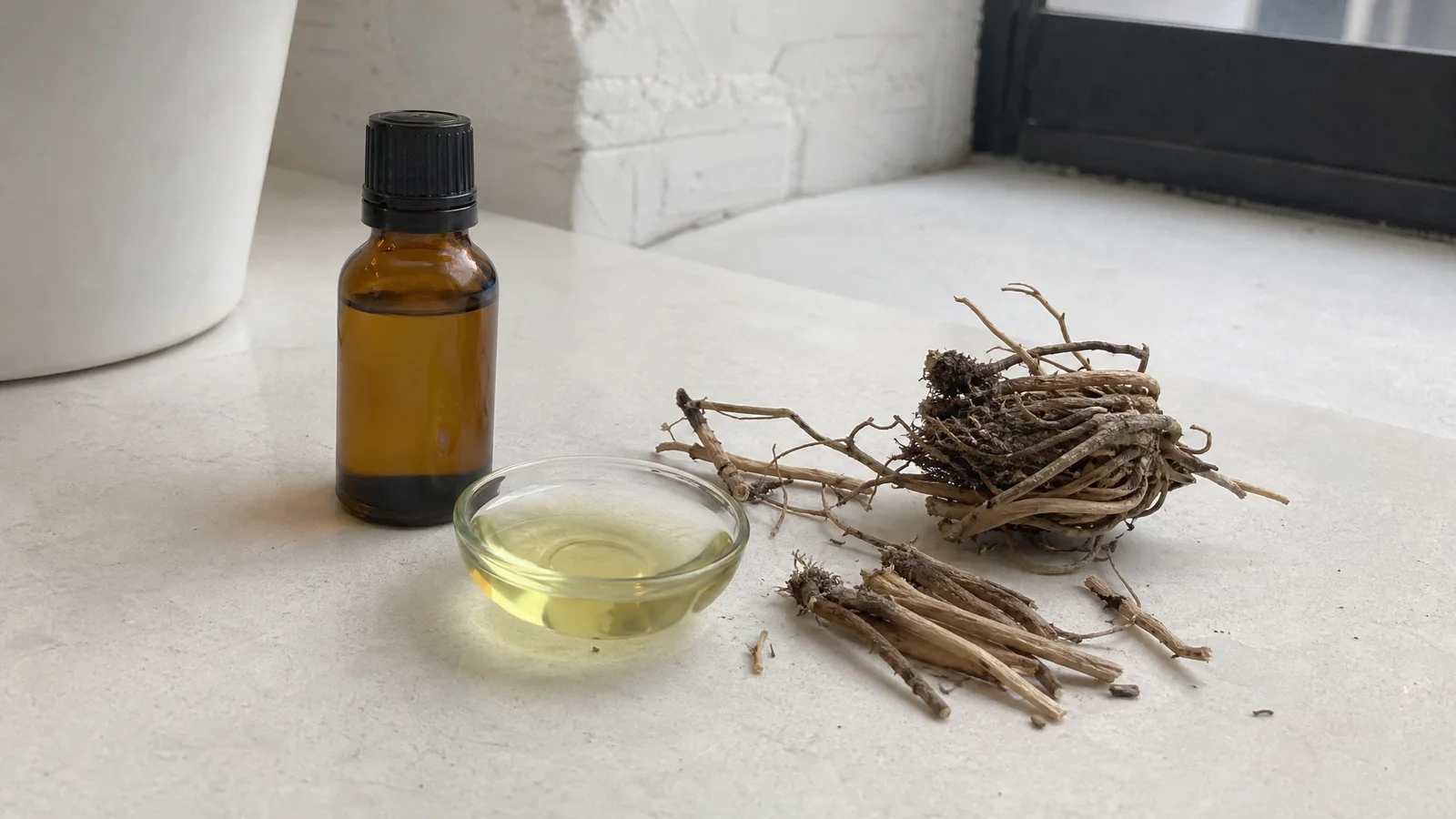
Valerian Oil Chemistry: Why Every Root Differs
Bornyl acetate swung from 9% to 34% across five roots from one lab. Why valerian oil varies, and how to read that when you buy a bottle.

How to Dilute Valerian Oil: Drops, Percentages, Stock
Valerian is so strong that your nose usually calls time before your skin does. Drop counts for 1 oz of carrier, a 10% stock and where we start.
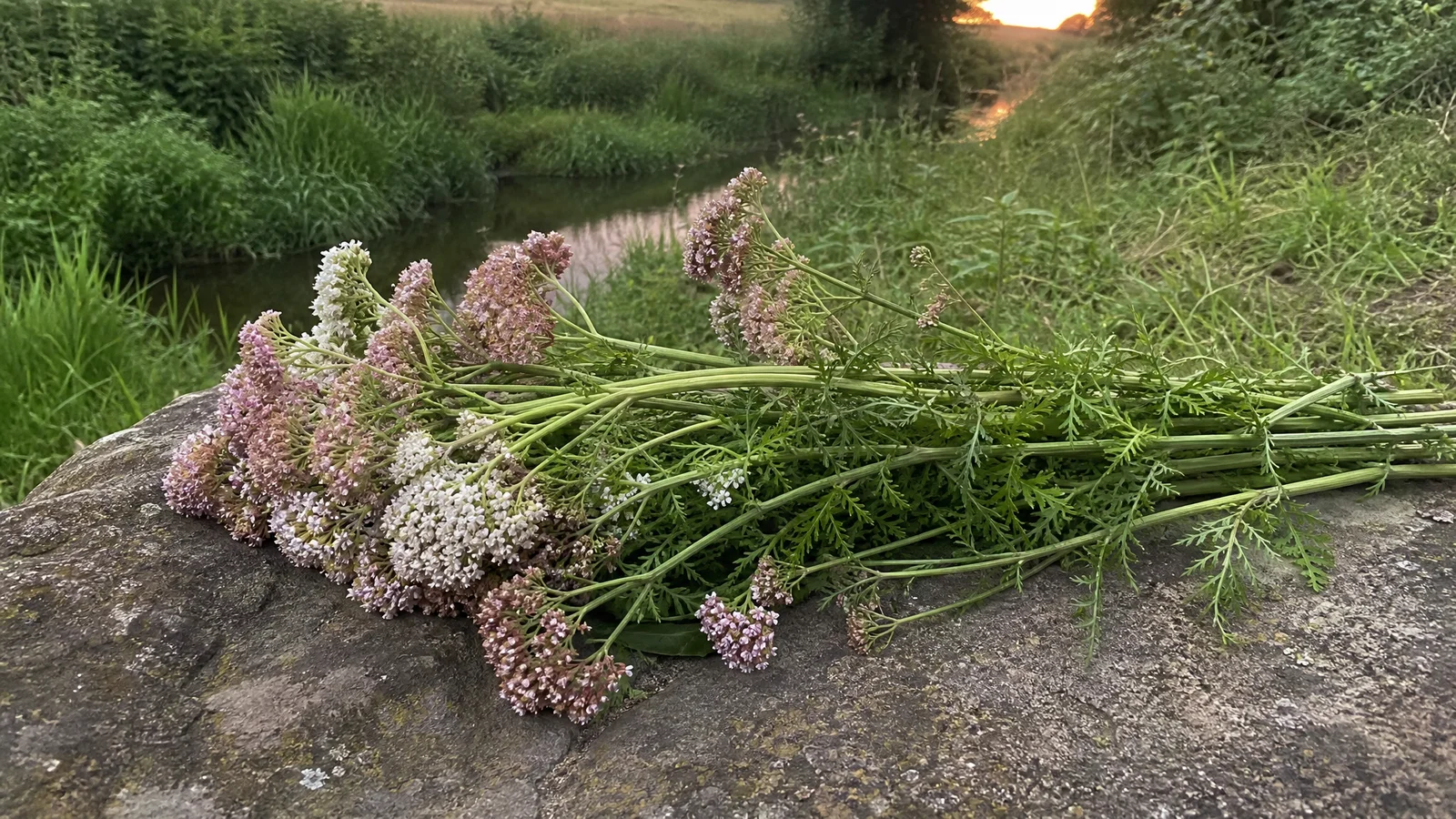
Valerian History: Where the Name and the Smell Come From
The tidy story names Hippocrates and Galen. The records point somewhere more interesting: a powerful smell, an old name and a perfumer's oil.
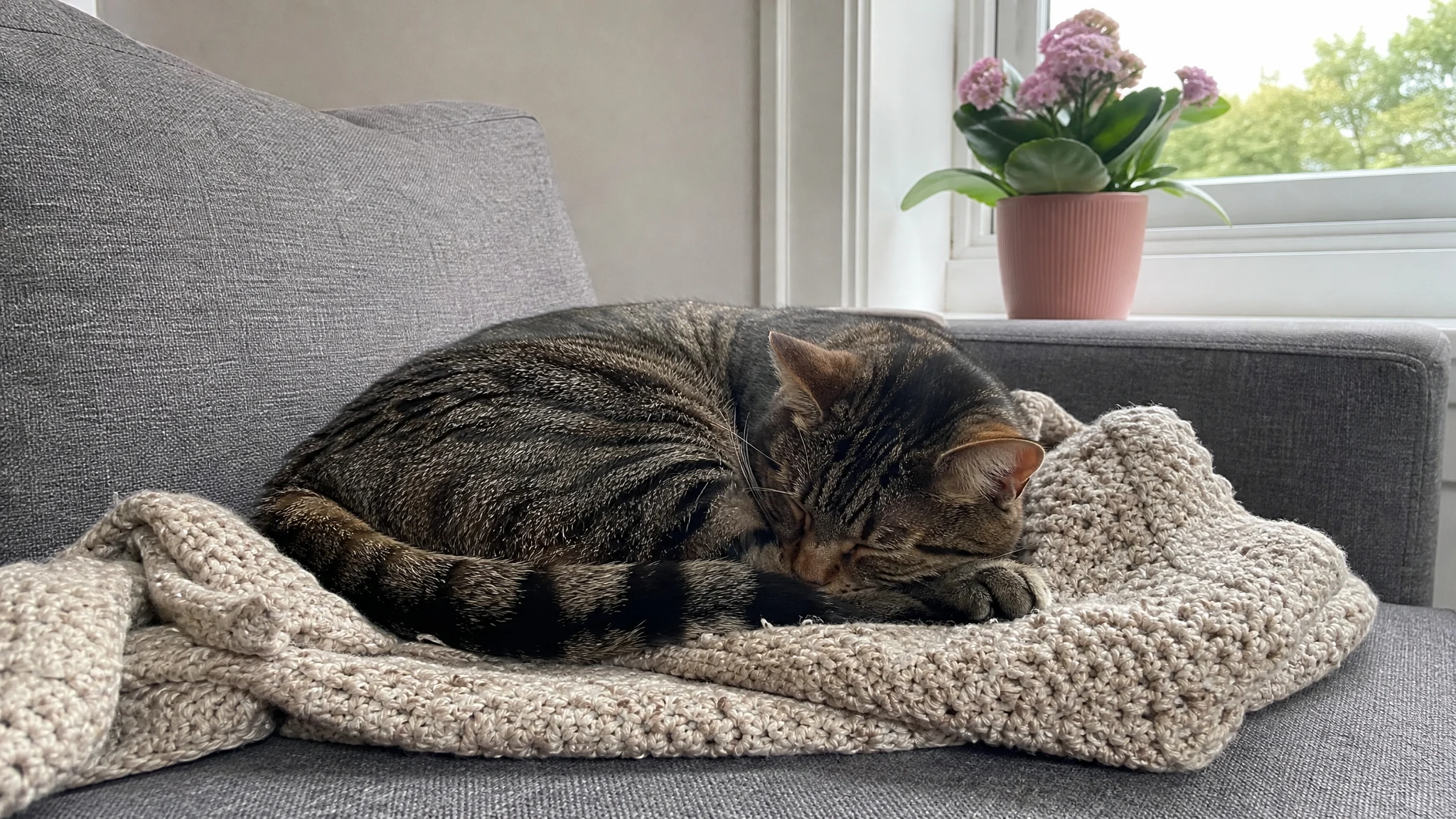
Valerian and Cats: Why They Love It, and What to Do
Cats really do go for valerian, and that is exactly why the bottle needs care. What the cat study shows and what the poison centres advise.
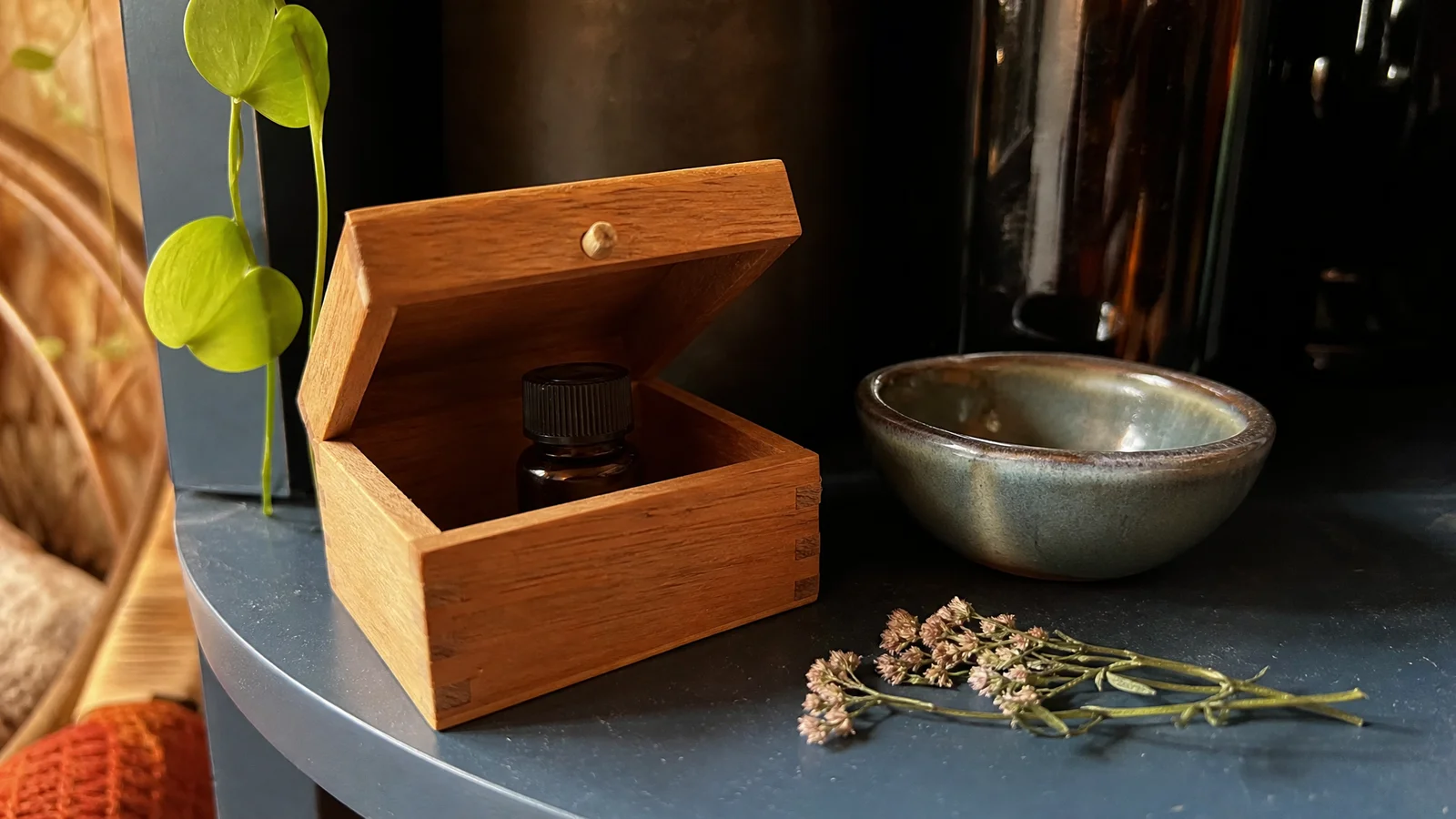
How to Store Valerian Oil So the Aroma Lasts
Heat, light, moisture and air wear an oil down. Simple habits keep a bold root oil smelling like itself, from the day the bottle arrives.
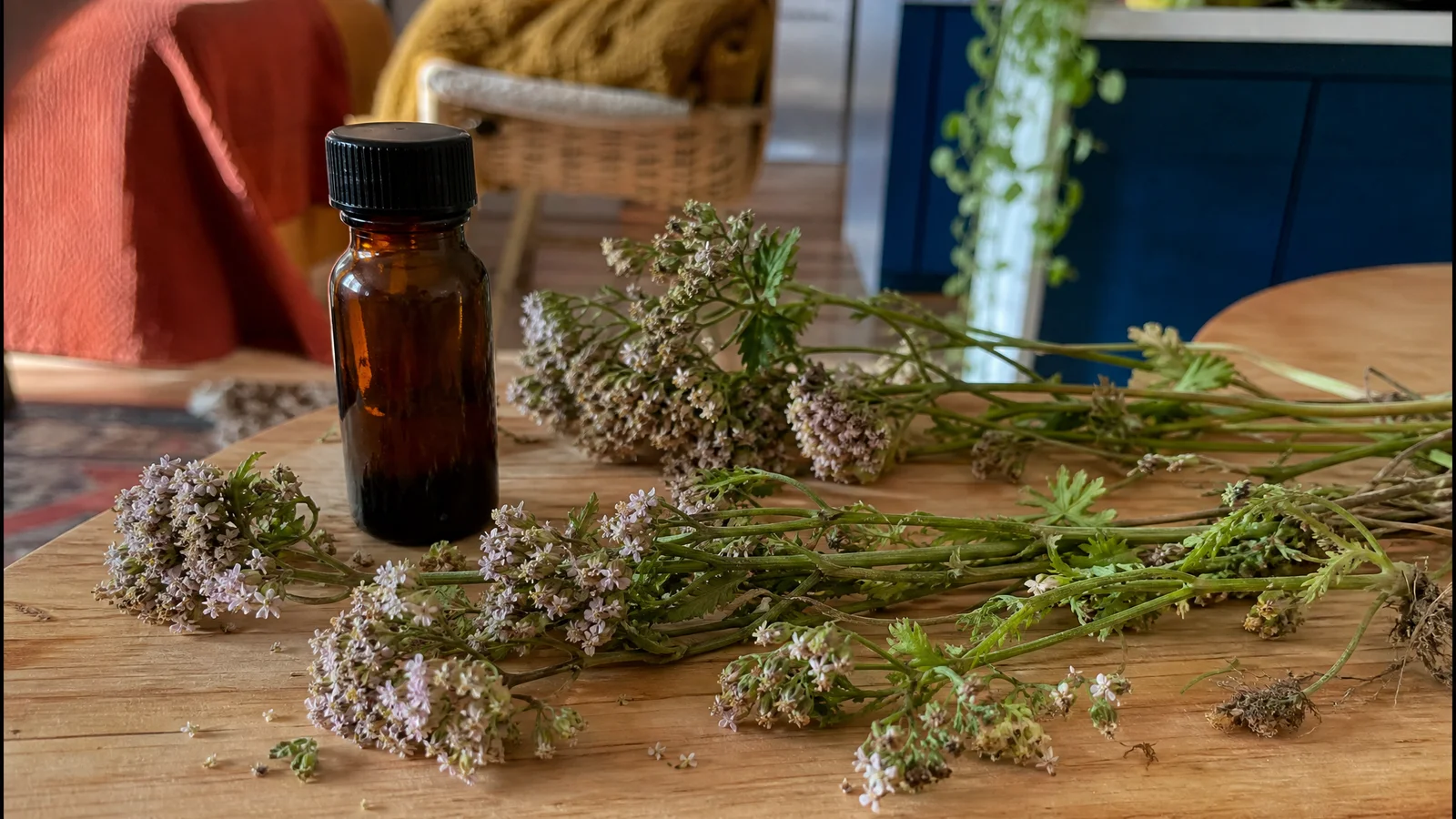
Valerian Essential Oil FAQ: Plain Answers
Plain answers to what people ask most: what valerian oil is made from, how strong it smells, skin dilution, pets, pregnancy and storage.

5 Ways to Use Valerian Oil in Small Amounts
Valerian root oil has a short list of sensible uses and a long list of myths. Five honest ways to use it, with drop arithmetic, and what to leave alone.

Valerian Oil in the Evening: Using a Bold Root Scent
A strong, earthy root oil needs a light hand and good timing. Here is how we would bring valerian into the evening as a scent, one drop at a time.

Valerian Diffuser Blends That Keep the Root in Check
Earthy, musky and very strong: how to give valerian a place in a diffuser blend, which partner oils suit it, and why one drop is plenty to start.
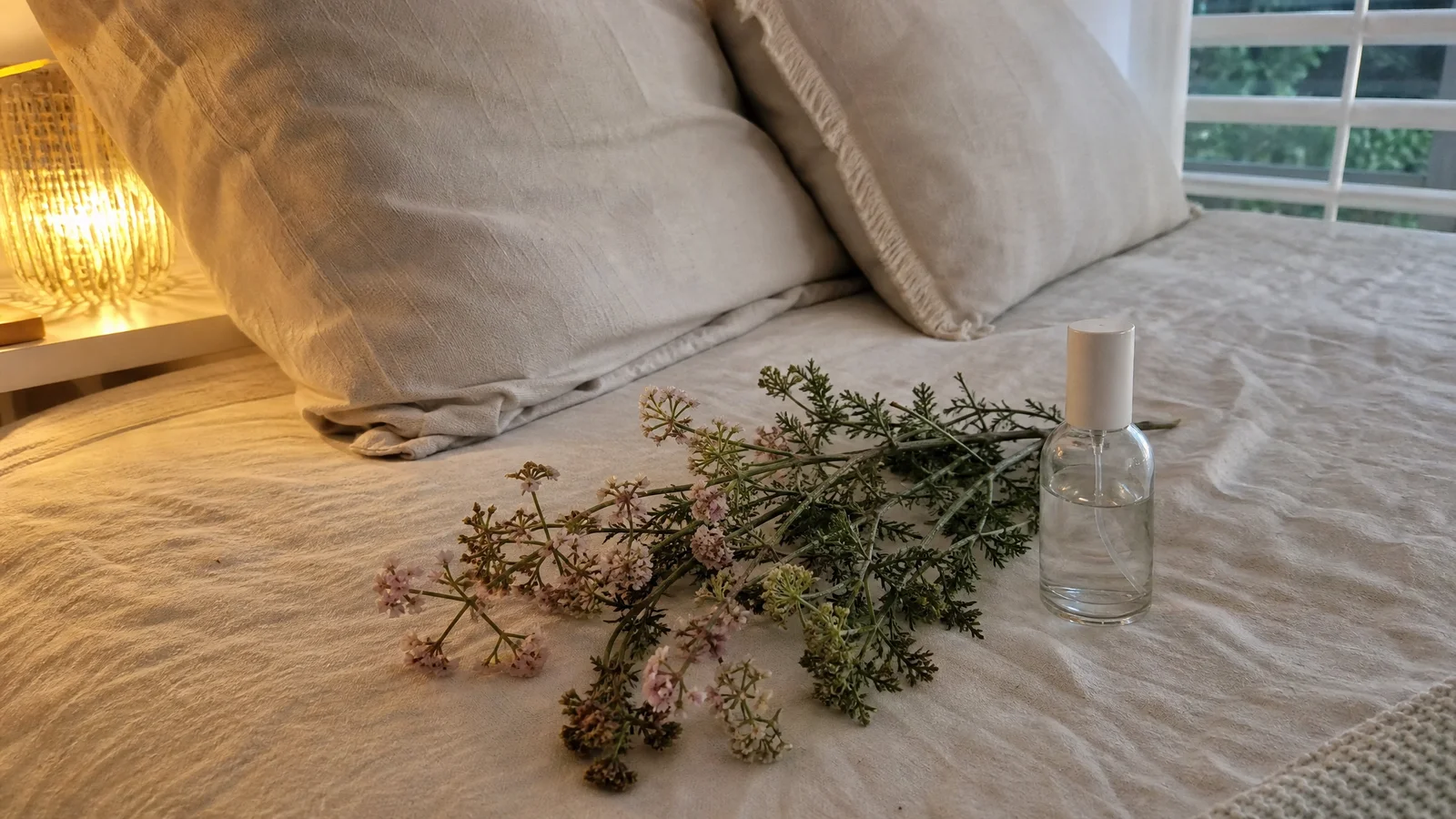
Valerian Linen Spray: A 60 g Recipe That Stays Mixed
Oil and water part ways in a spray bottle. A worked 60 g formulation uses ethanol to keep valerian dissolved, at a strength small enough for a big scent.
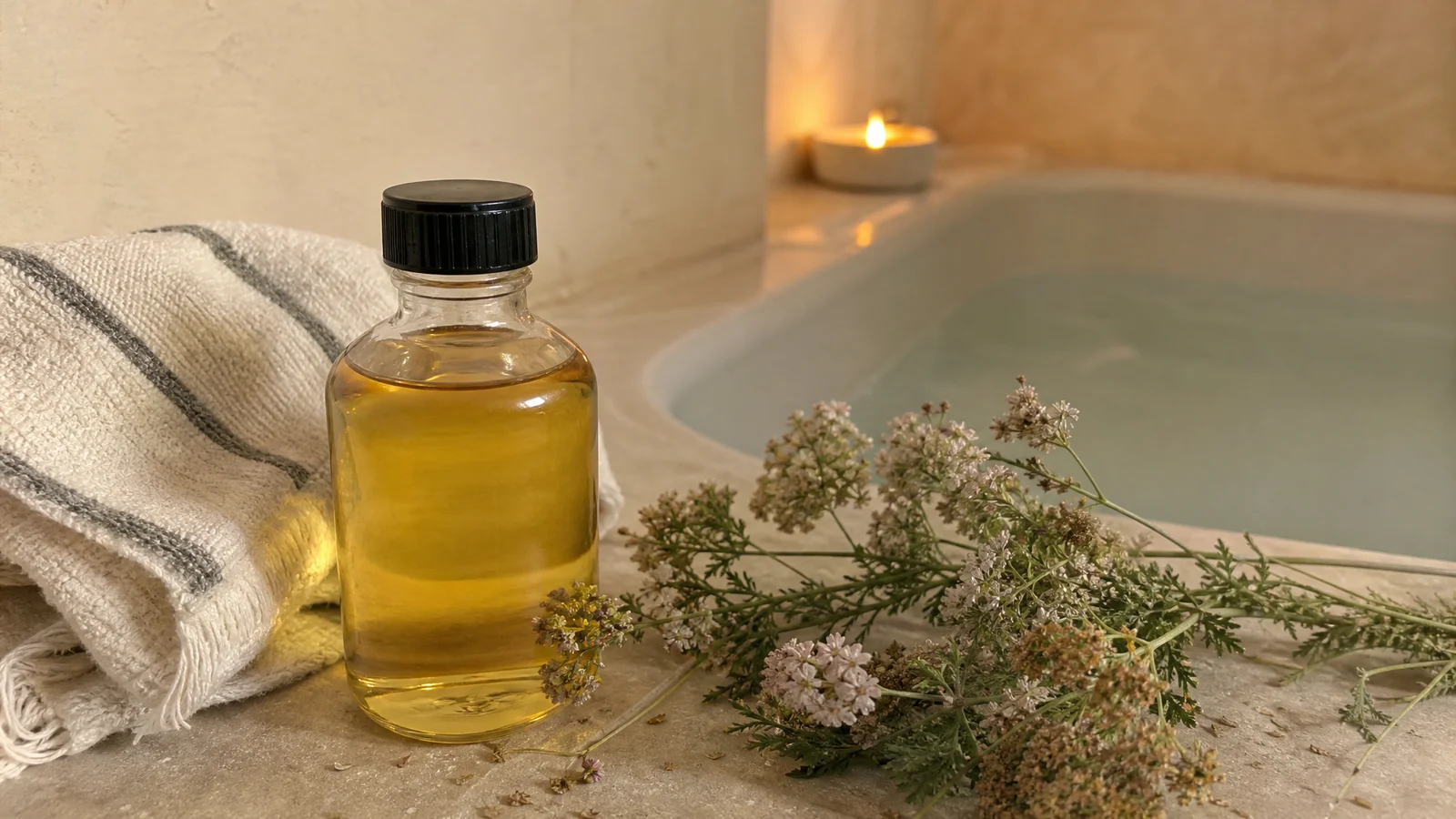
Valerian Bath Oil: How to Make It Mix With Water
Oil poured into a bath just floats. A worked 100 g formulation with polysorbate 80 and a light carrier spreads valerian evenly, with the arithmetic shown.
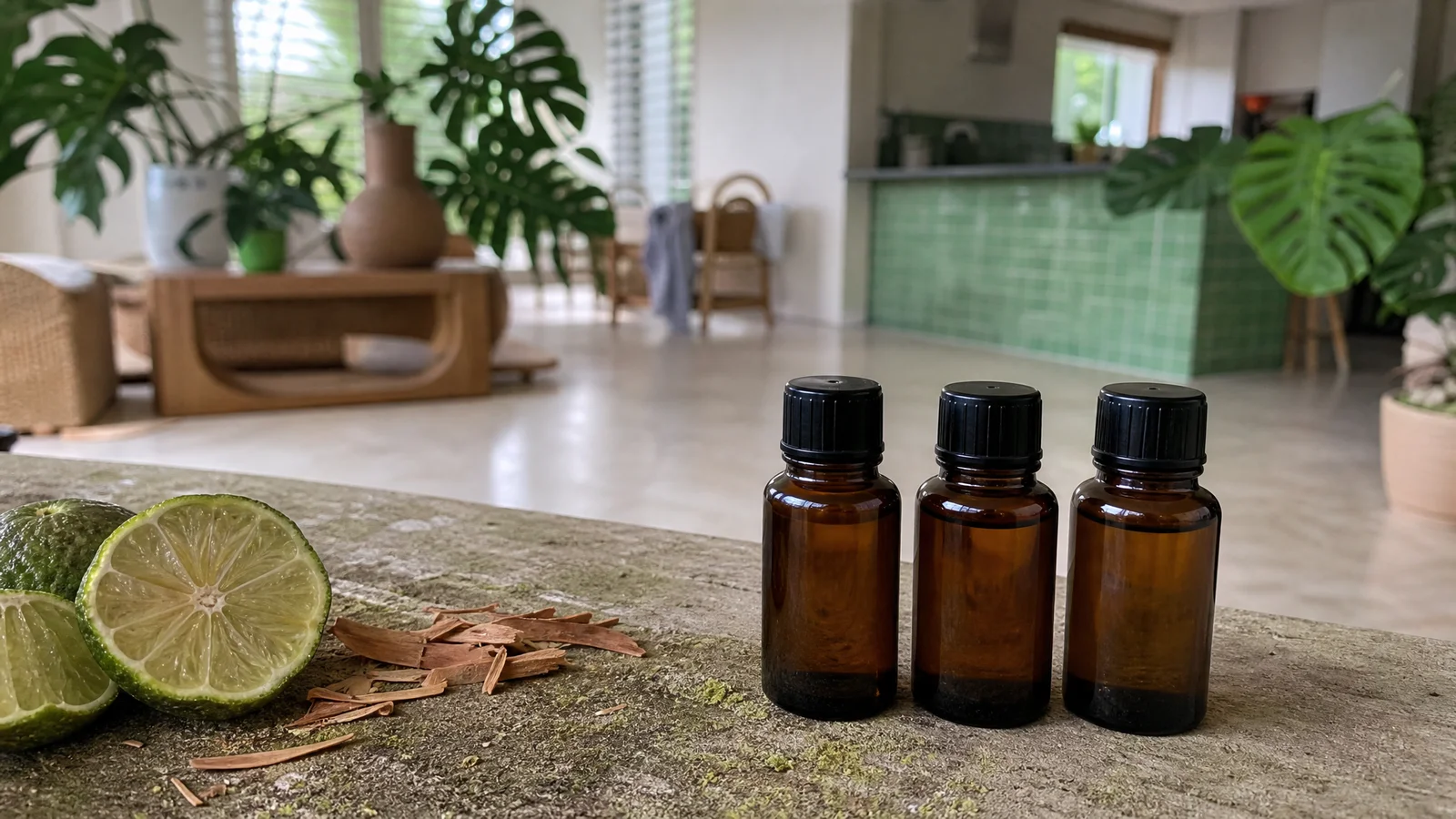
Valerian and Cedarwood Diffuser Blend, Step by Step
One drop of root, three of cedarwood, a resin and a bright top note: a six-drop room blend that smells like standing under old trees, with the reasoning.
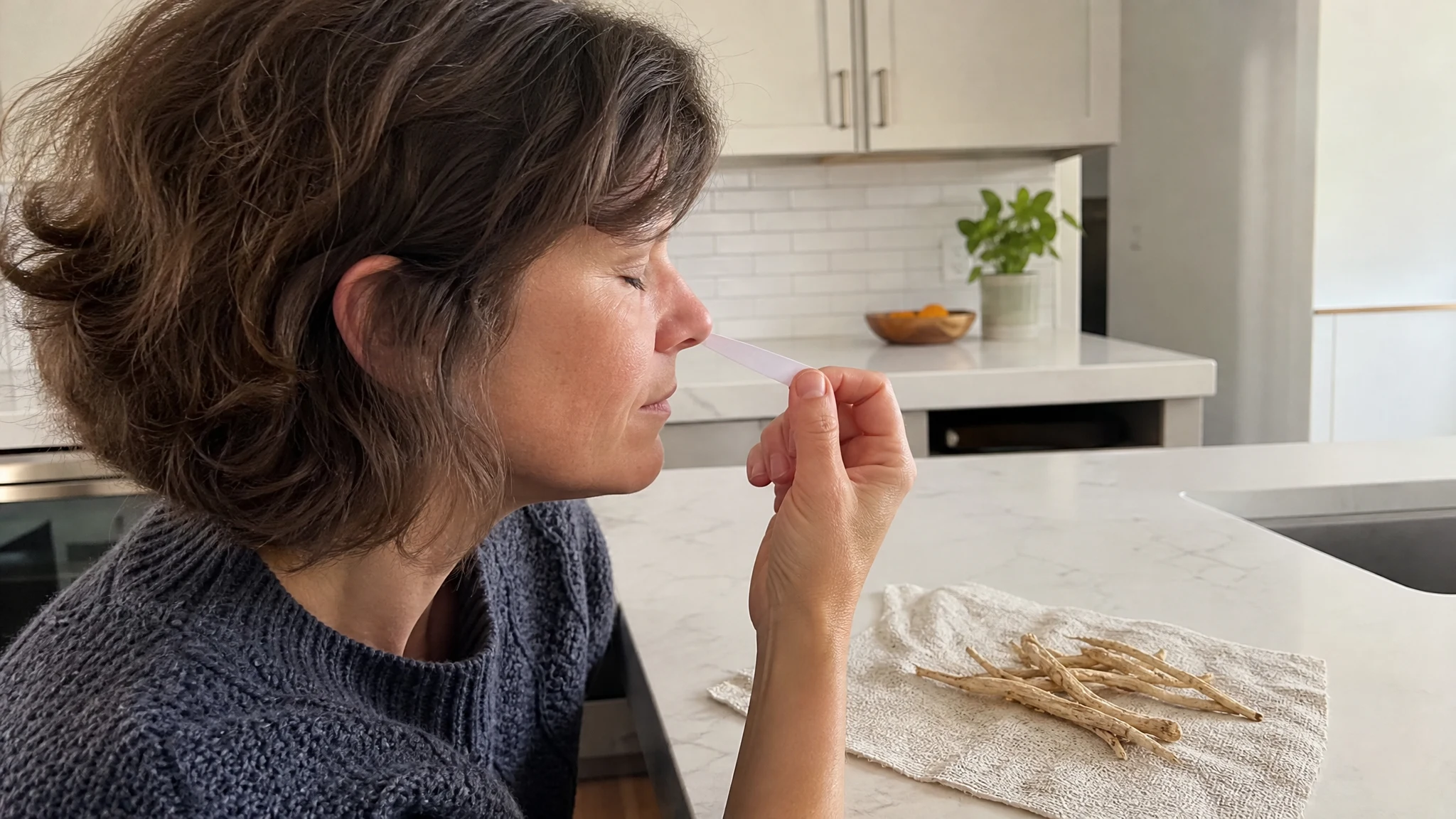
Valerian in Perfumery: Why a Trace Is Enough
A dark, tenacious base note that perfumers use in traces. What the classic handbook says, oil versus absolute, and the arithmetic of a tiny dose.
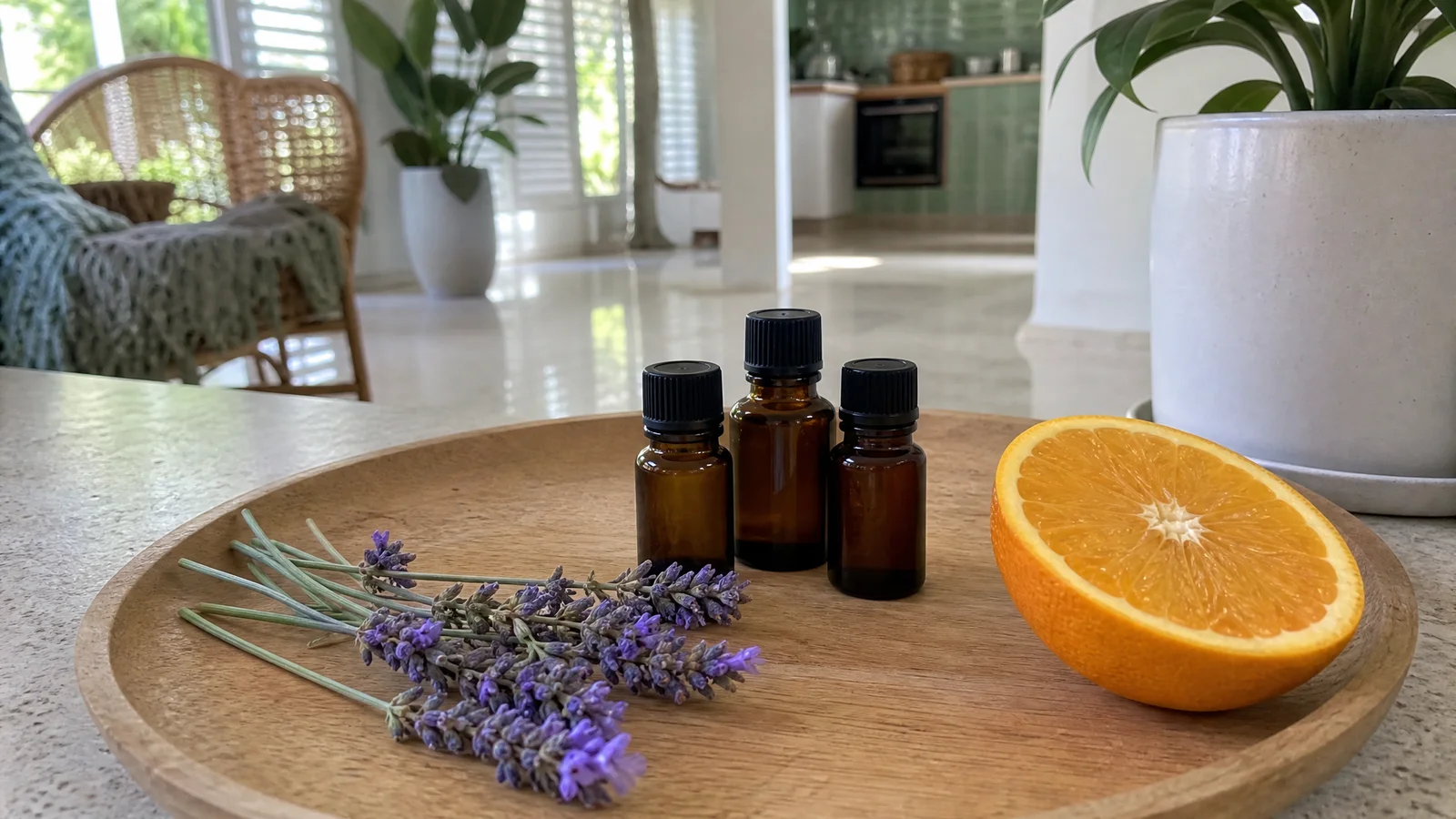
Blending With Valerian Oil: Mask It or Pair It?
Valerian is nearly impossible to hide, so we pair it instead. A 10% stock, a smell routine and worked arithmetic for a diffuser or roller.
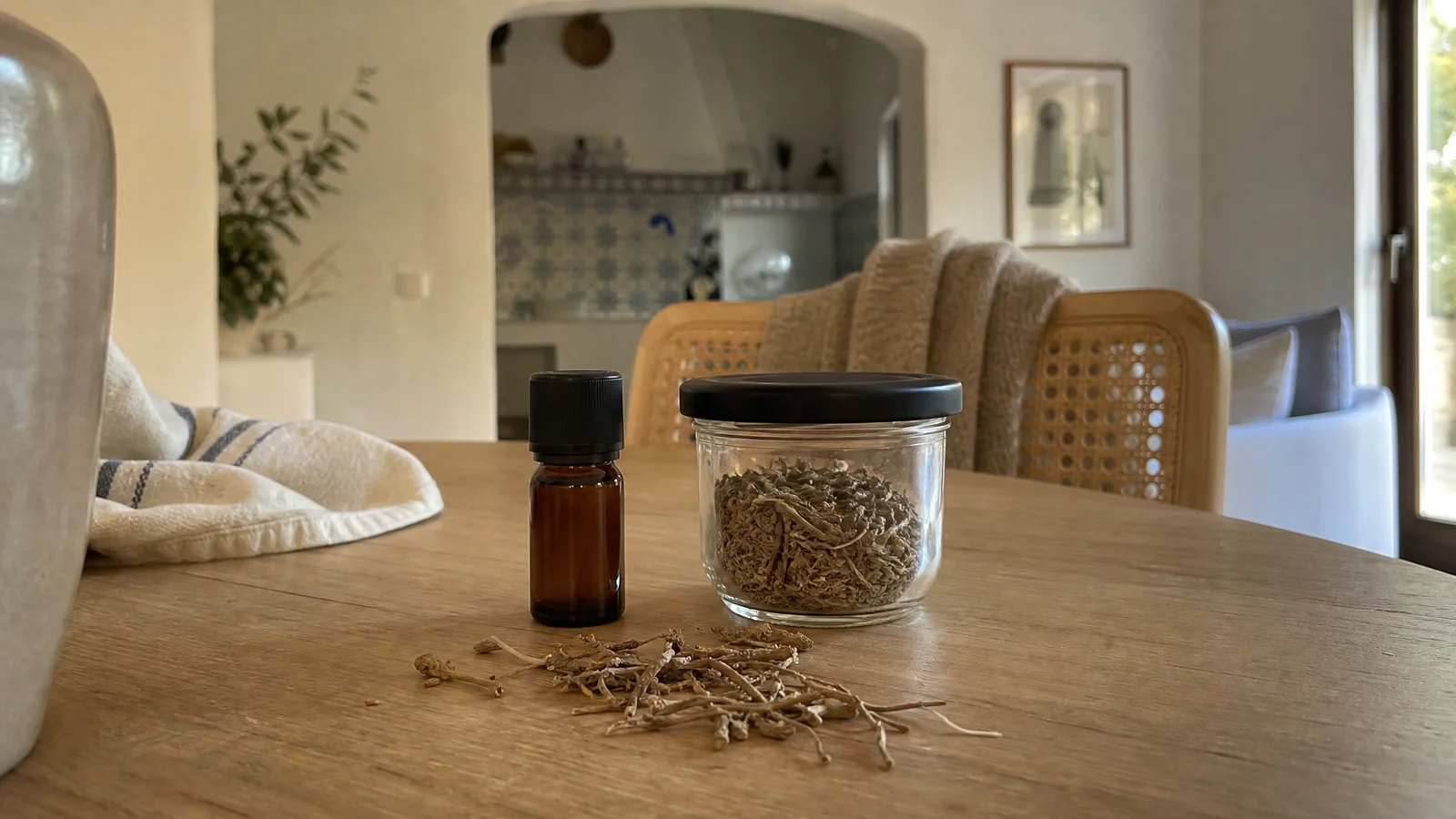
Valerian Tea vs Valerian Oil: Cup or Bottle?
A cup of valerian tea holds less than a drop of oil. The arithmetic behind that, and why a drink and a bottle follow entirely different rules.
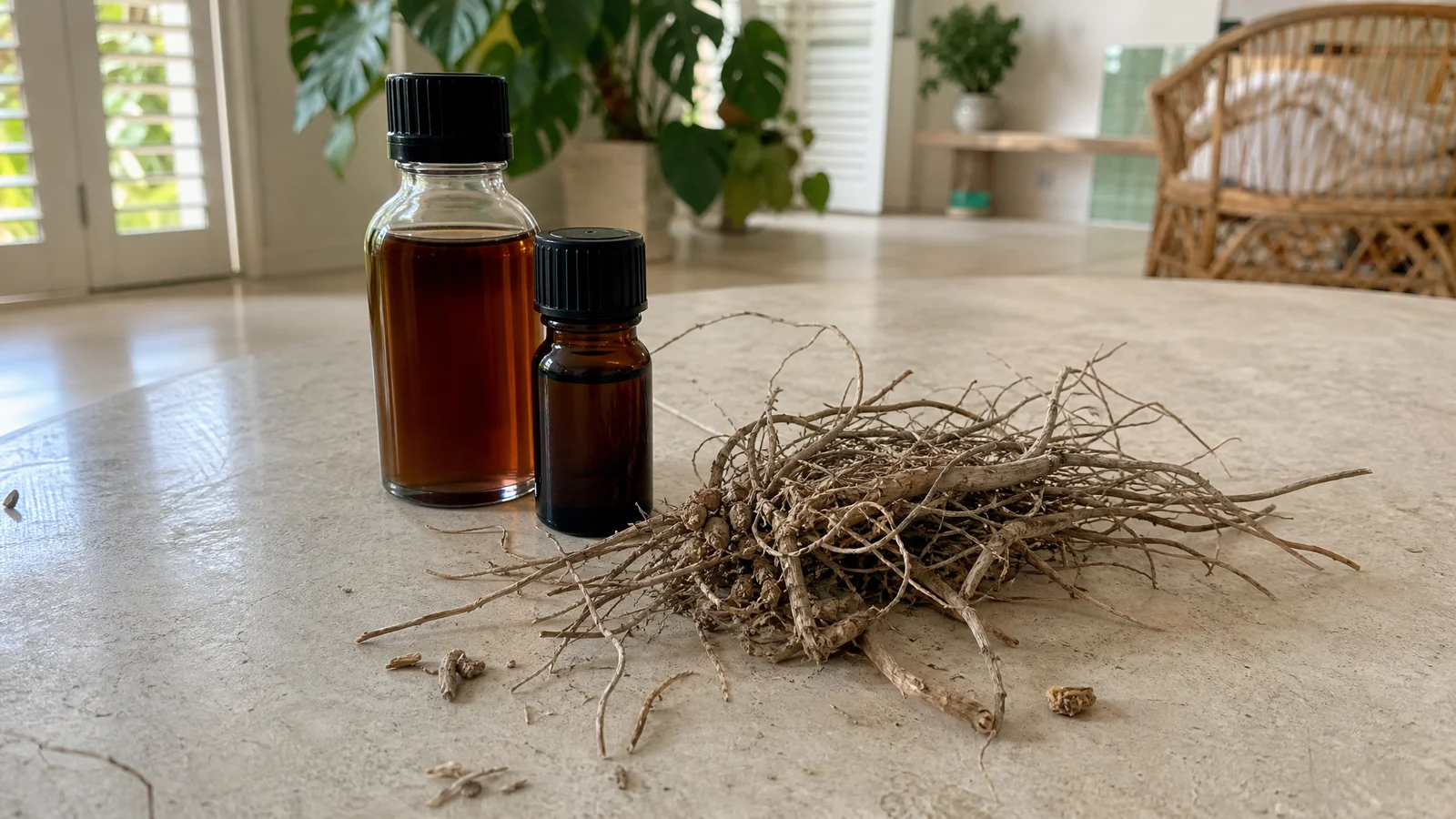
Buying Valerian Oil: 5 Questions to Ask Any Seller
Valerian oil has no single correct profile, so the right questions matter more than any number. A short buyer guide to species, batches and paperwork.
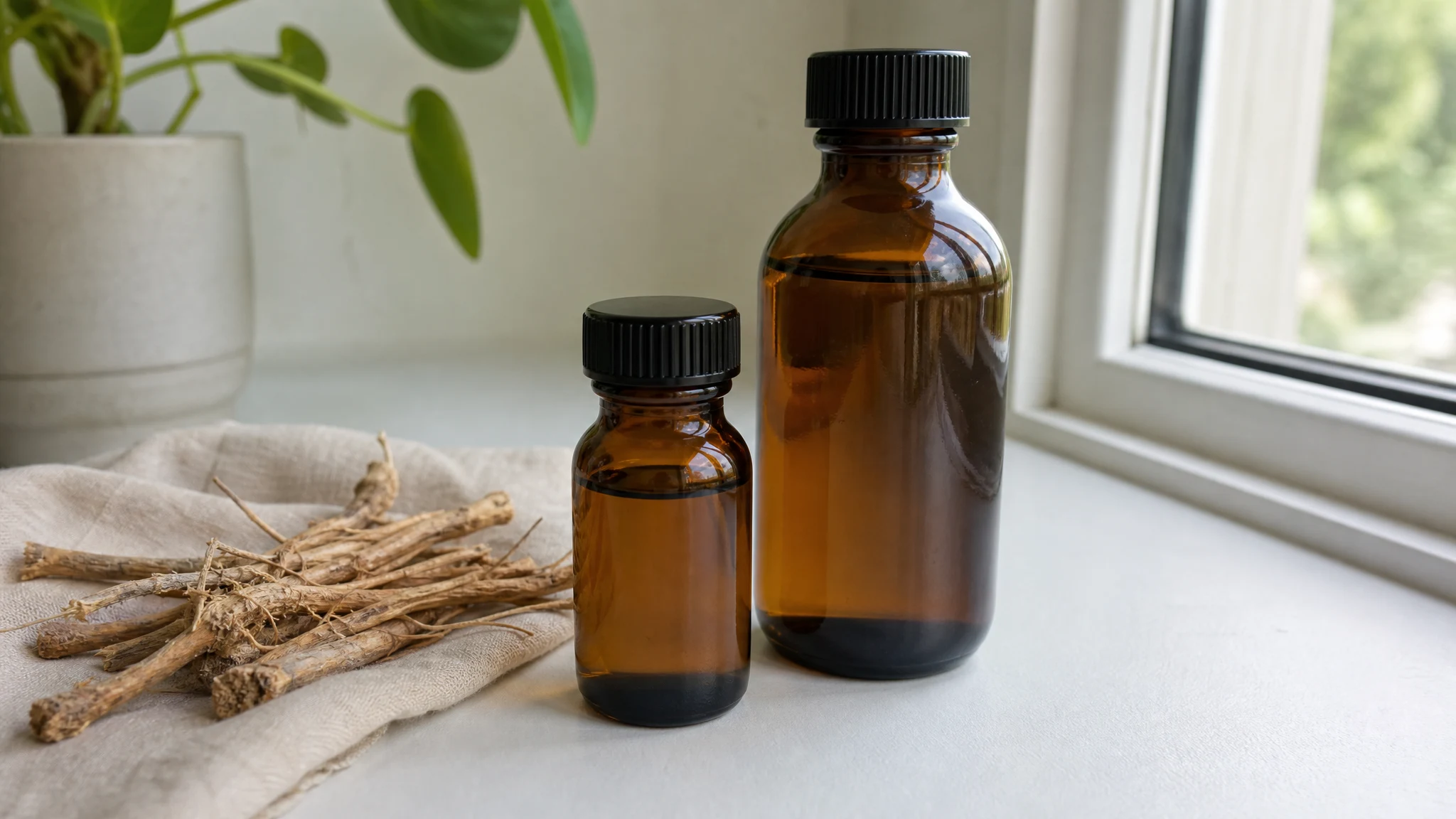
Valerian Oil Sizes: Which Bottle to Start With
A little valerian goes a very long way. Drop arithmetic for our bottles, why we say smell it first, and when the larger sizes make sense for makers.

How to Compare Two Valerian Oils Side by Side
Plant, part, method, paperwork and aroma: the few lines on a listing that tell two valerian oils apart, and how to read each one fairly.
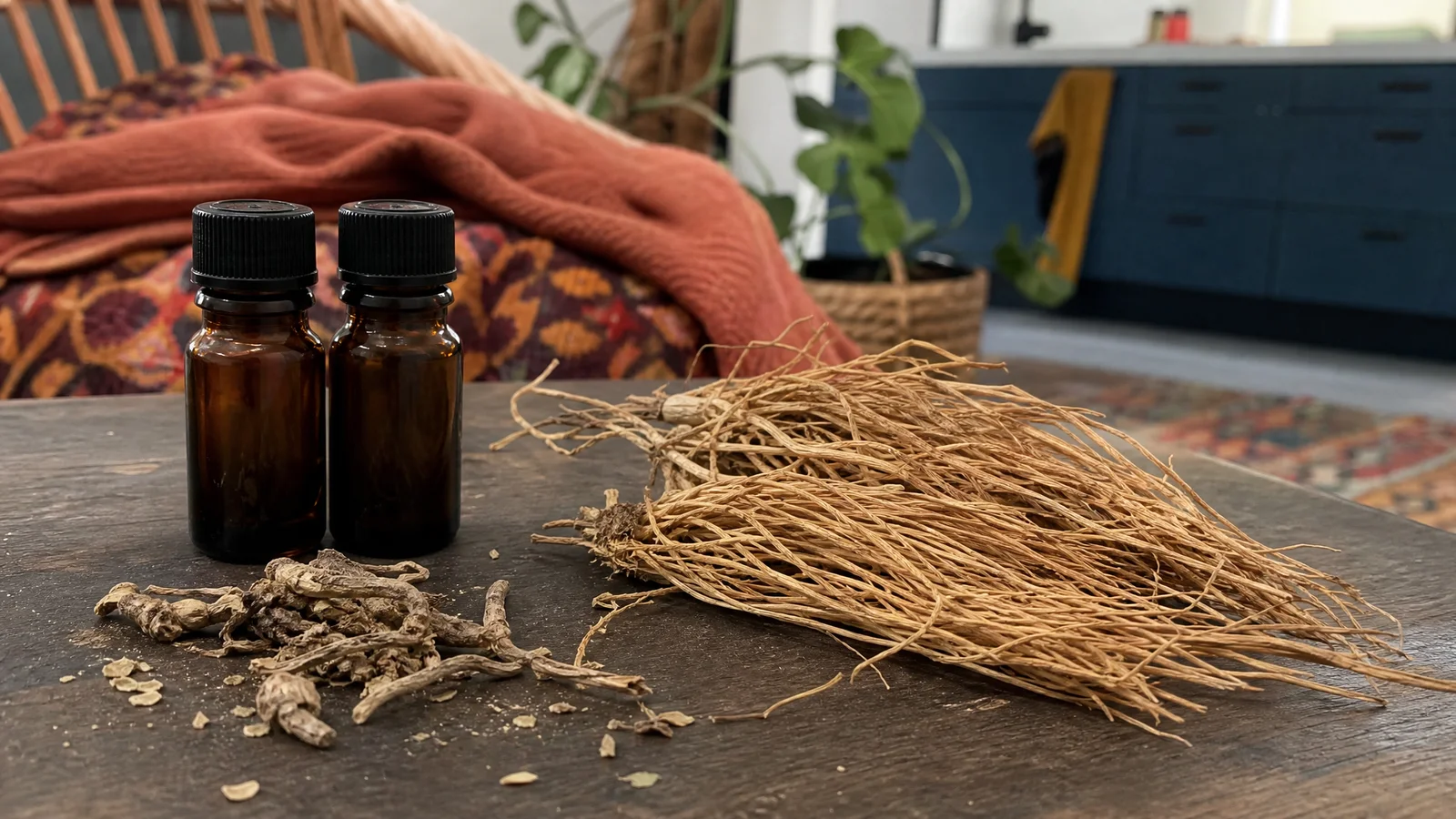
Valerian vs Vetiver: Two Root Oils Compared
Vetiver is the broad earthy base, valerian the musky pinch of spice. How the two root oils differ in aroma and strength, and how to blend them.
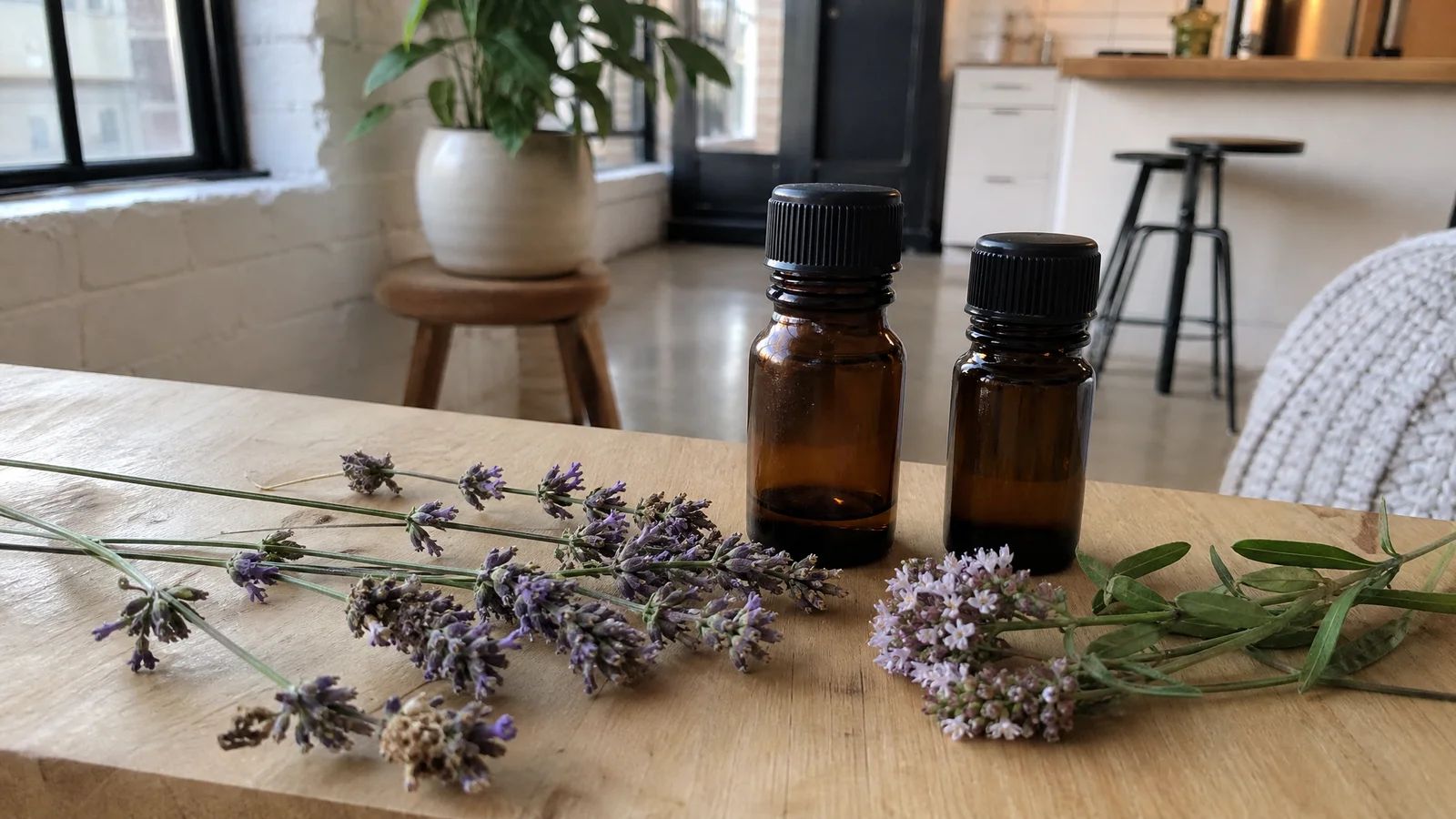
Valerian vs Lavender Oil: Which Scent Suits You?
Lavender opens a room like a window; valerian is more like a cellar. How a flower oil and a root oil differ in chemistry, skin notes and storage.
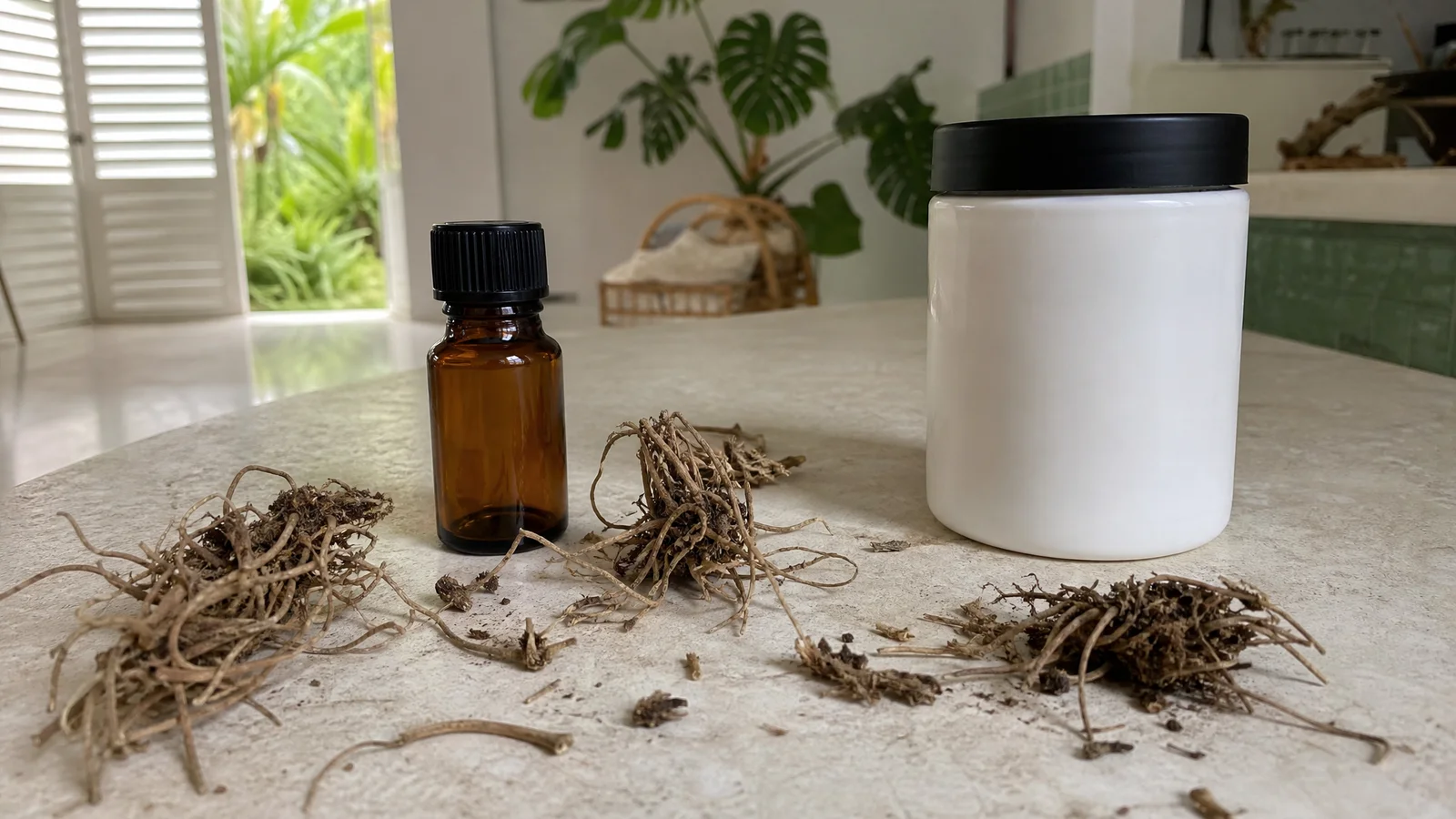
Valerian Capsules vs Valerian Oil: What Sets Them Apart
Capsules hold root powder or extract, while the oil is a distillate of that root. How the two differ in chemistry, regulation and everyday use.
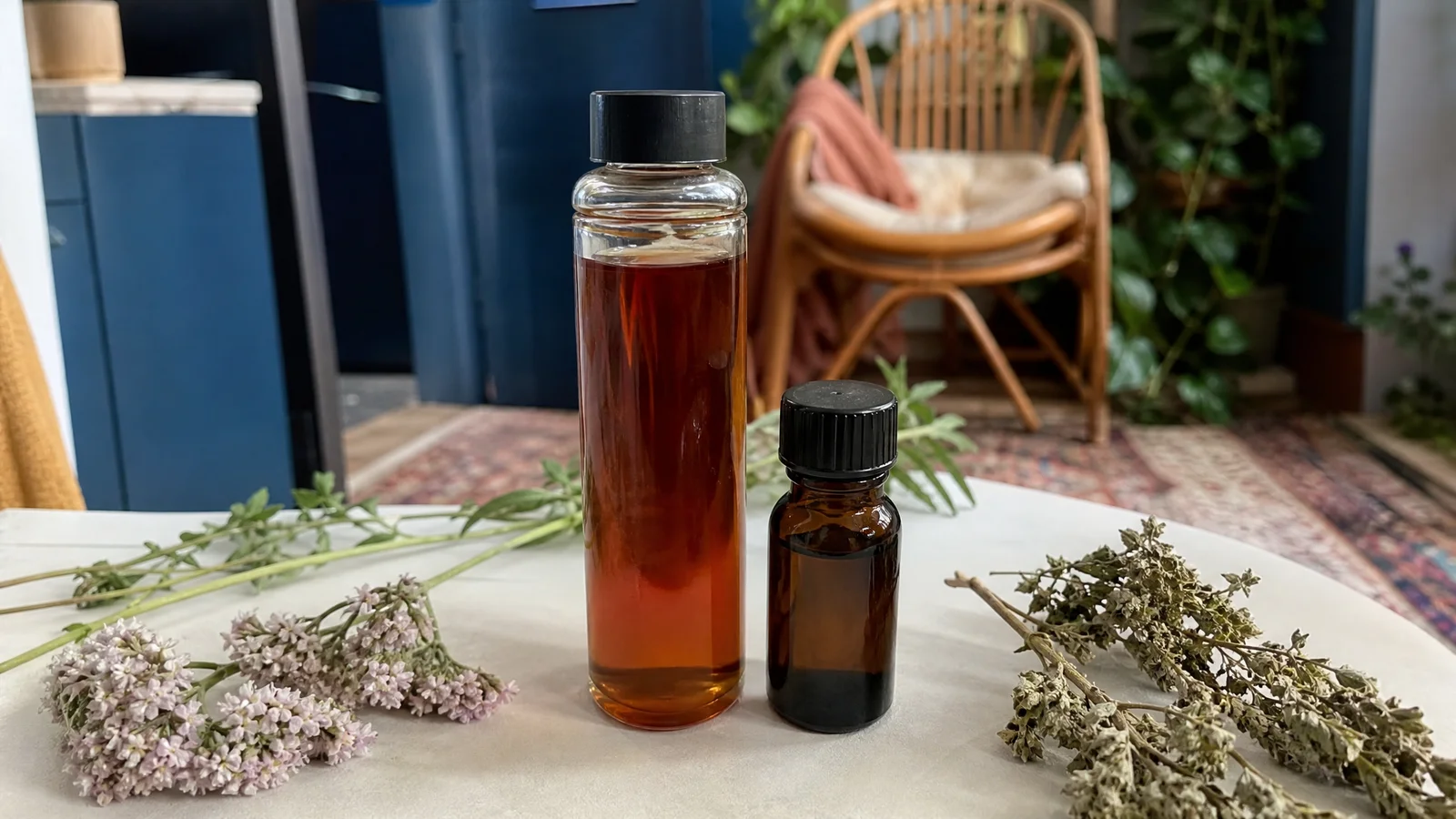
Valerian Oil vs Fragrance Oil: How to Read the Label
Distilled root and a fragrance built to smell like it can look and smell alike. Four questions and a look at the paperwork show which one is in the bottle.
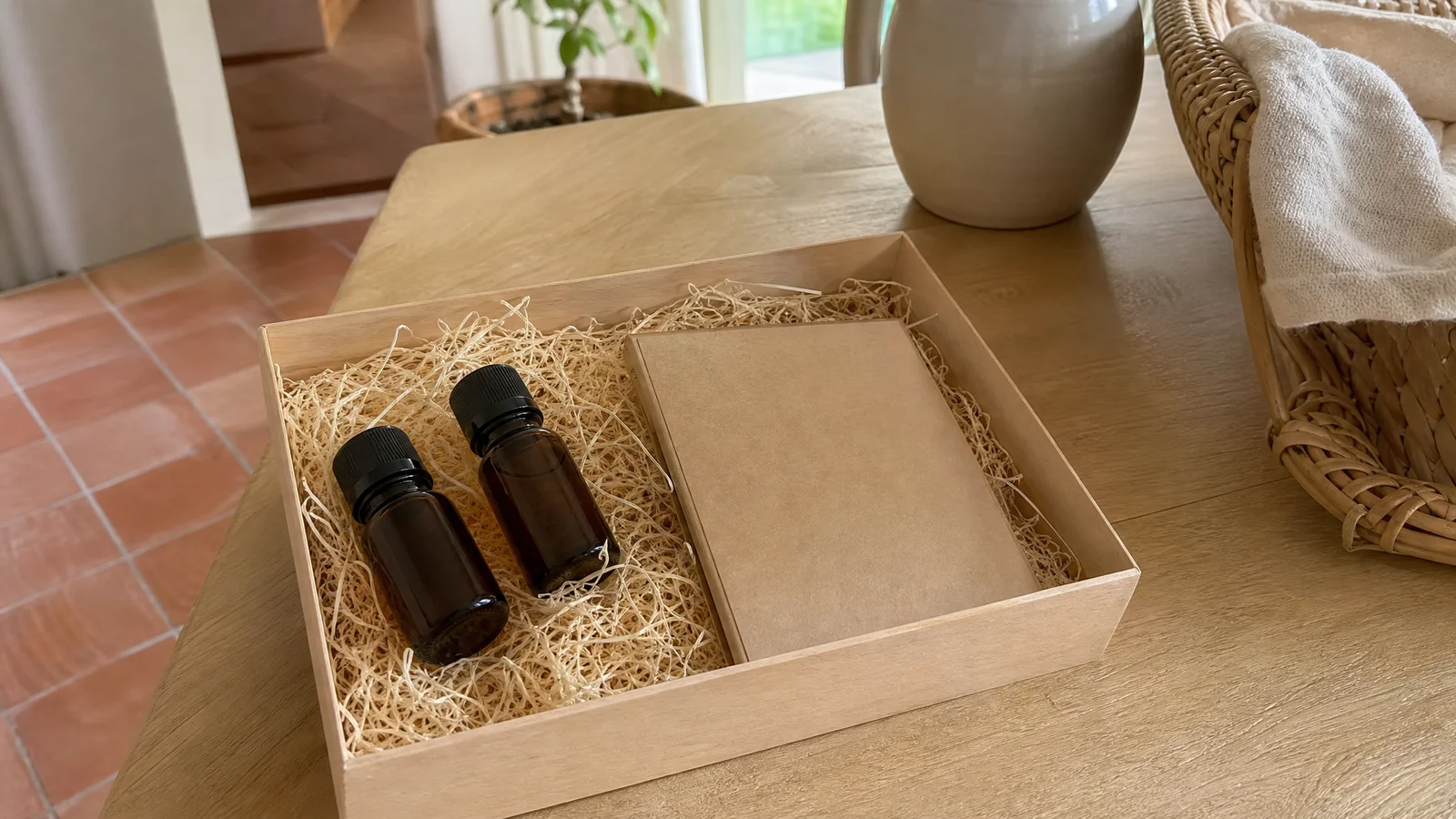
Valerian Oil as a Gift: Who Will Love It?
Earthy, musky and unmistakable, valerian oil delights some noses and baffles others. How to choose the right person, the right size, and a card.

Valerian Oil in Winter: Why Less Is More
Windows shut, doors closed, and a big root oil with nowhere to go. Why winter calls for one drop of valerian, plus the arithmetic behind it.