Valerian Oil Chemistry: Why Every Root Differs
Ask for "the" chemical profile of valerian root oil and the honest answer is that there is not one. In an Estonian study, five valerian root samples distilled in the same laboratory gave oils with bornyl acetate anywhere from about 9% to 34%, and one sample held nearly 15% of a compound called valerenal that another had only as a trace. Valerian is a plant, and plants vary. That variation is the most interesting thing about the oil, and it is worth understanding before you buy.
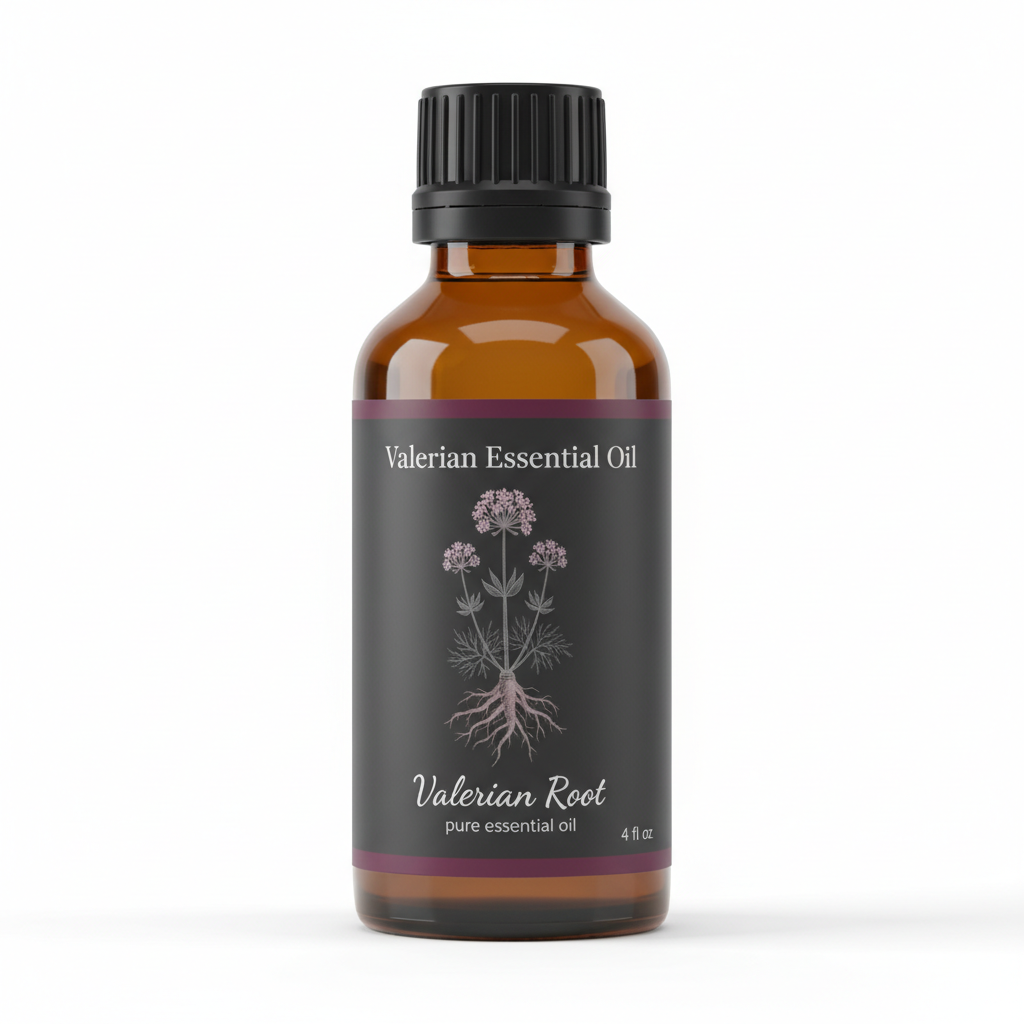
Valerian Root Essential Oil
Our own Valerian Root Essential Oil, in sizes from 0.5 oz to bulk.
From $31.99
Shop Now →Five roots, one laboratory
The most useful open study of the European species is by Raal and colleagues, published in 2007. They distilled dried Valeriana officinalis roots, bought from pharmacies or grown in Estonia, using a standard pharmacopoeia method, and analysed the oils by gas chromatography with mass spectrometry. It was a laboratory distillation of pharmacy root, not a commercial essential oil, and it used five samples, so none of it describes a particular bottle.
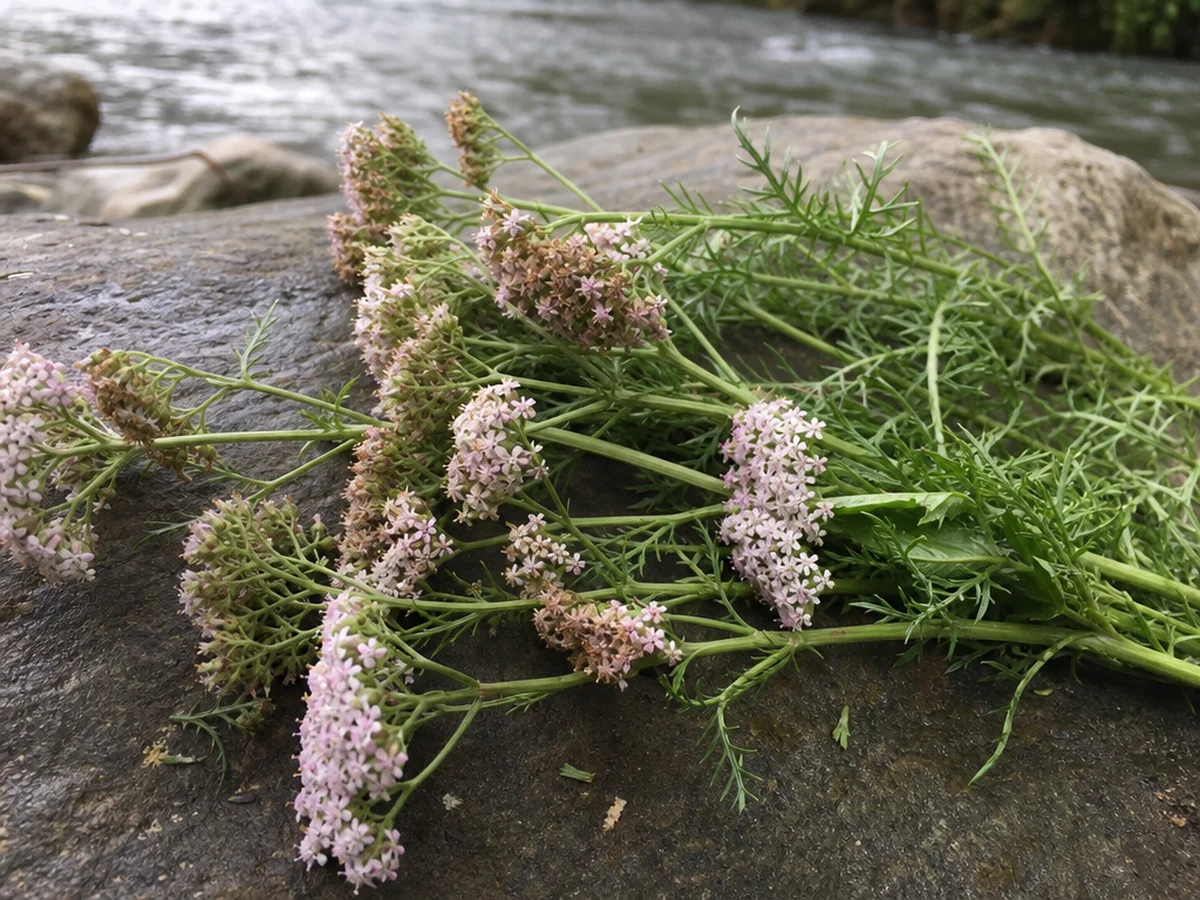
The lab found 84 compounds. Oil yield from the cut root ran from 0.28% to 1.16%. Four of the five oils were rich in bornyl acetate and valerenal, while the fifth was dominated by bornyl acetate, valerianol and valeranone. Across the set, bornyl acetate ran from 8.8% to 33.7%, valerianol from 0.3% to 16.7% and valeranone from 0.5% to 9.4%. Isovaleric acid, a small and sharp component, ran from none to 2.1%.
The authors also point out that earlier literature sorts valerian oils into types, depending on which compound leads. In plain terms: two roots from the same species can give oils with a different balance, much as two vintages of the same wine do.
Why this matters when you buy
If composition swings this widely from root to root, a label cannot tell you the bornyl acetate or valerenal percentage, and neither can a certificate that reports only physical measurements. The Certificate of Analysis for our valerian oil covers one batch and reports three measured values at 20 C: relative density 0.947, refractive index 1.473 and optical rotation -19.80 degrees, each inside the range printed beside it. It does not contain GC-MS data, compound percentages or a laboratory name.
Those three values sit inside fairly wide windows (density 0.920 to 0.958 and rotation -35 to -10 degrees on the certificate). Reasoning from the Estonian spread, oils with quite different compositions could pass such checks, so we do not read the certificate as a chemical profile. If you need composition data for a formulation, ask us in writing through the contact page for the lot you will receive, and rely on what you receive in writing. Our certificate walk-through explains what each line means.
Smelling the variation yourself
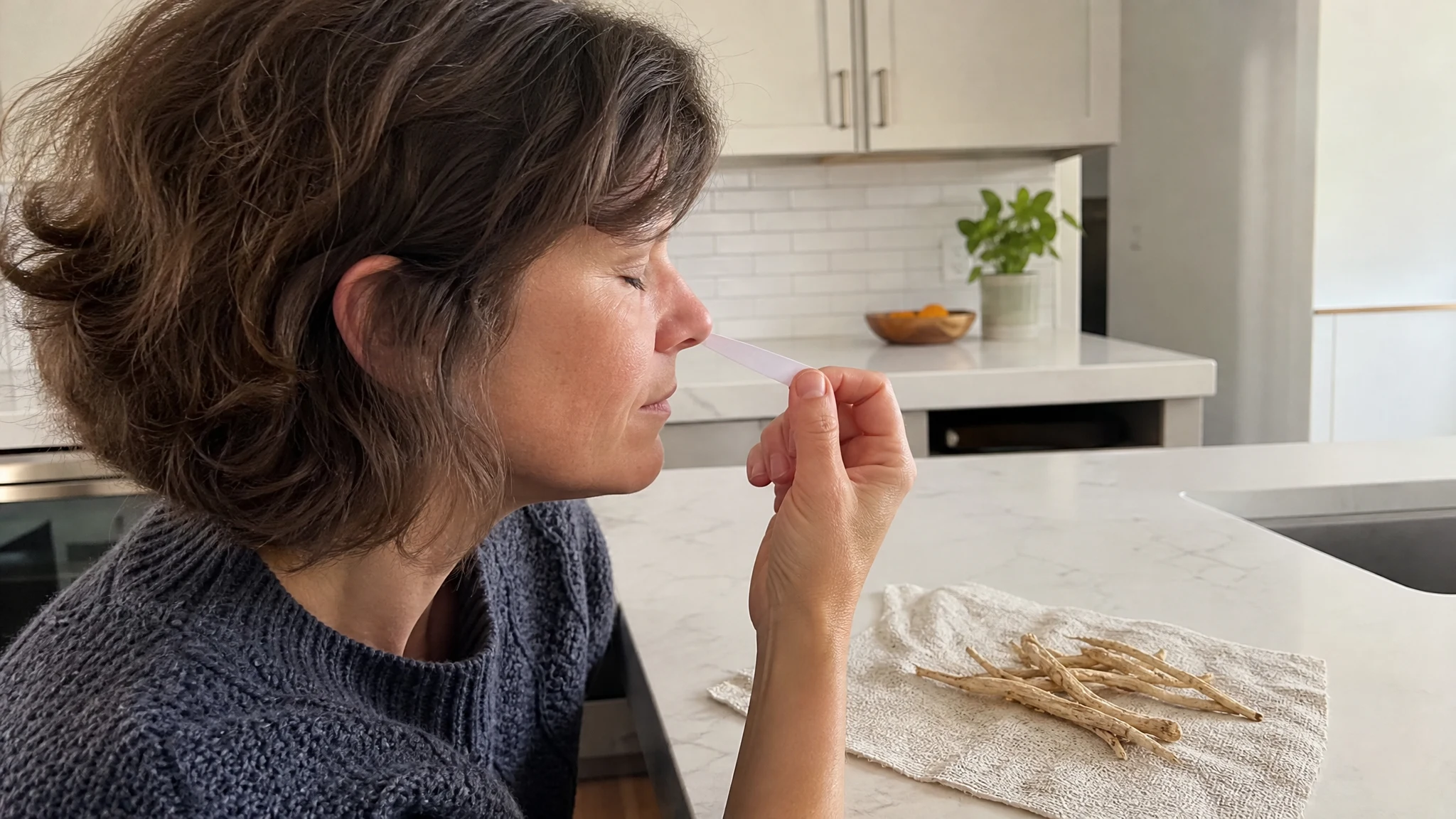
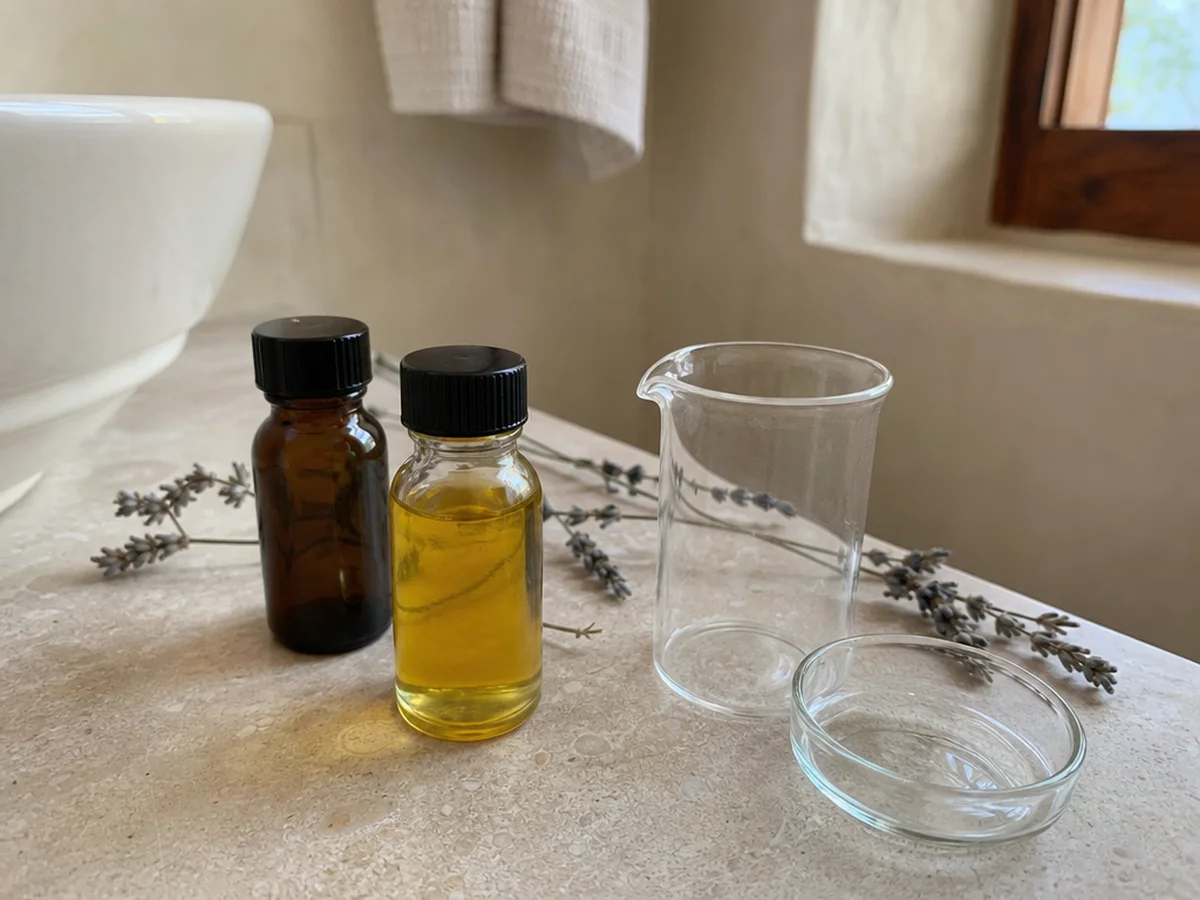
You do not need a laboratory to appreciate that an oil can vary. If you ever have two valerian oils, or two bottles from different dates, put a drop of each on a separate strip of plain card from a craft shop, label them, and sniff after a minute and again after an hour. You will notice that the first impression fades and a longer, deeper note remains. That will not tell you what is in either bottle, only how each smells to your nose, but it is a pleasant way to get acquainted with a material that will not be identical twice.
The oil is not the capsule
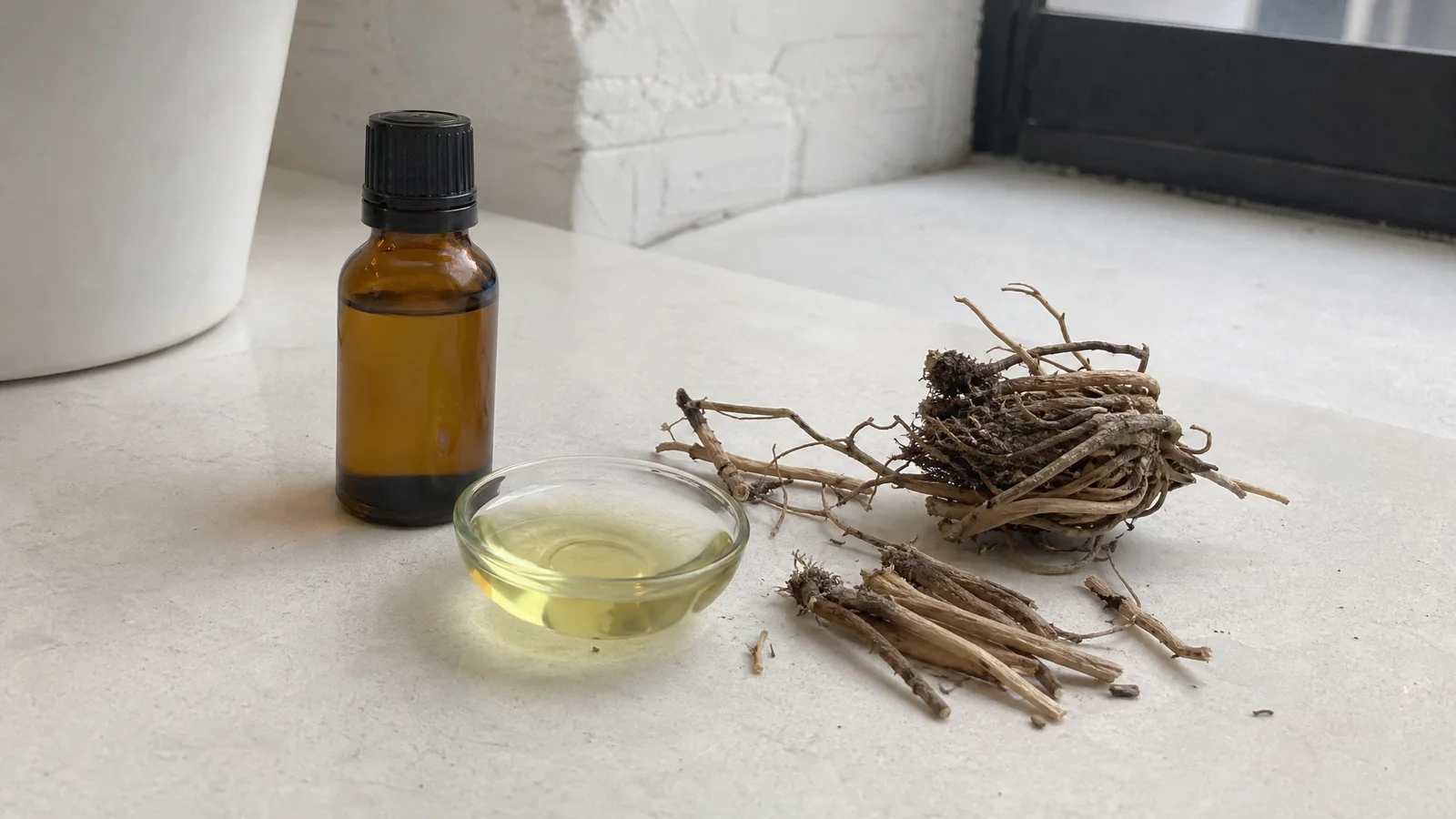
Most of what people read about valerian describes the root taken by mouth. The National Center for Complementary and Integrative Health's valerian page is about the herb as an oral supplement, and the trials behind the sleep headlines use oral root preparations. The steam-distilled oil is a different material: the volatile fraction of the root, with its own chemistry, sold for aroma and cosmetic use and never to be swallowed. We sell an aromatic oil and make no sleep or calming claim for it, and the studies on root extracts do not transfer to it. The sibling post on capsules versus oil goes further.
So when you read a claim about valerian, it is worth asking which material it describes: the root as an extract, or the distilled oil. They are not interchangeable.
What the numbers add up to
You do not need to memorise the compounds. The practical takeaways are simple:
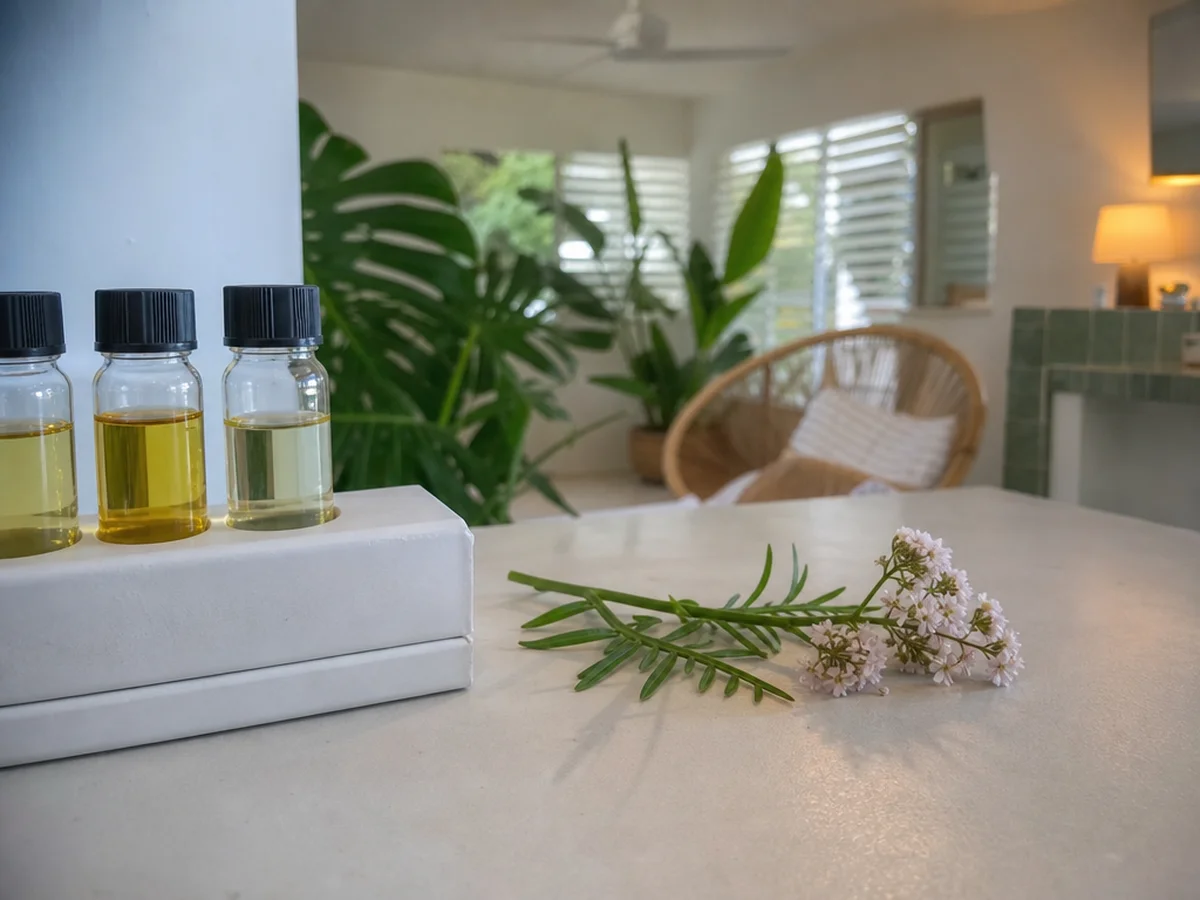
- Valerian oil is a natural material and will vary from batch to batch, so smell before you commit and write down what you use.
- The word "valerian" can cover more than one plant. See Types of Valerian Essential Oil and valerian versus spikenard.
- A small first bottle lets you learn what you are getting before you buy more.
There is something appealing about an ingredient that refuses to be identical from one year to the next. Anyone who cooks with spices or dried herbs will recognize the feeling: the jar says the same thing, and the pinch does not always taste the same. A little notebook beside your bottle, with the date and a line about how it smelled when you opened it, is the cheapest quality-control tool there is.
The Latin name on our label and certificate is Valeriana officinalis, the species the Estonian study examined, and the rest of the profile is something we are glad to discuss if you ask in writing.
Chemistry is the reason valerian never smells quite the same twice, and that is a better reason to be curious about it than to be wary.
Valerian Root Essential Oil
Valerian Root Essential Oil from our own shop, in sizes from 0.5 oz to bulk.
From $31.99
Shop Now →Sources & Further Reading
- Raal A, Orav A, Arak E, Kailas T, Muurisepp M, 2007. Variation in the composition of the essential oil of Valeriana officinalis L. roots from Estonia. Proceedings of the Estonian Academy of Sciences, Chemistry 56(2):67-74.
- NCCIH. Valerian: Usefulness and Safety