Valerian History: Where the Name and the Smell Come From
Ask almost anyone for the history of valerian and you will hear a tidy chain: Hippocrates, Galen, two thousand years of tradition. The paper trail is more interesting than that, and it begins with something we know well in our own bottles, which is an unforgettable smell.
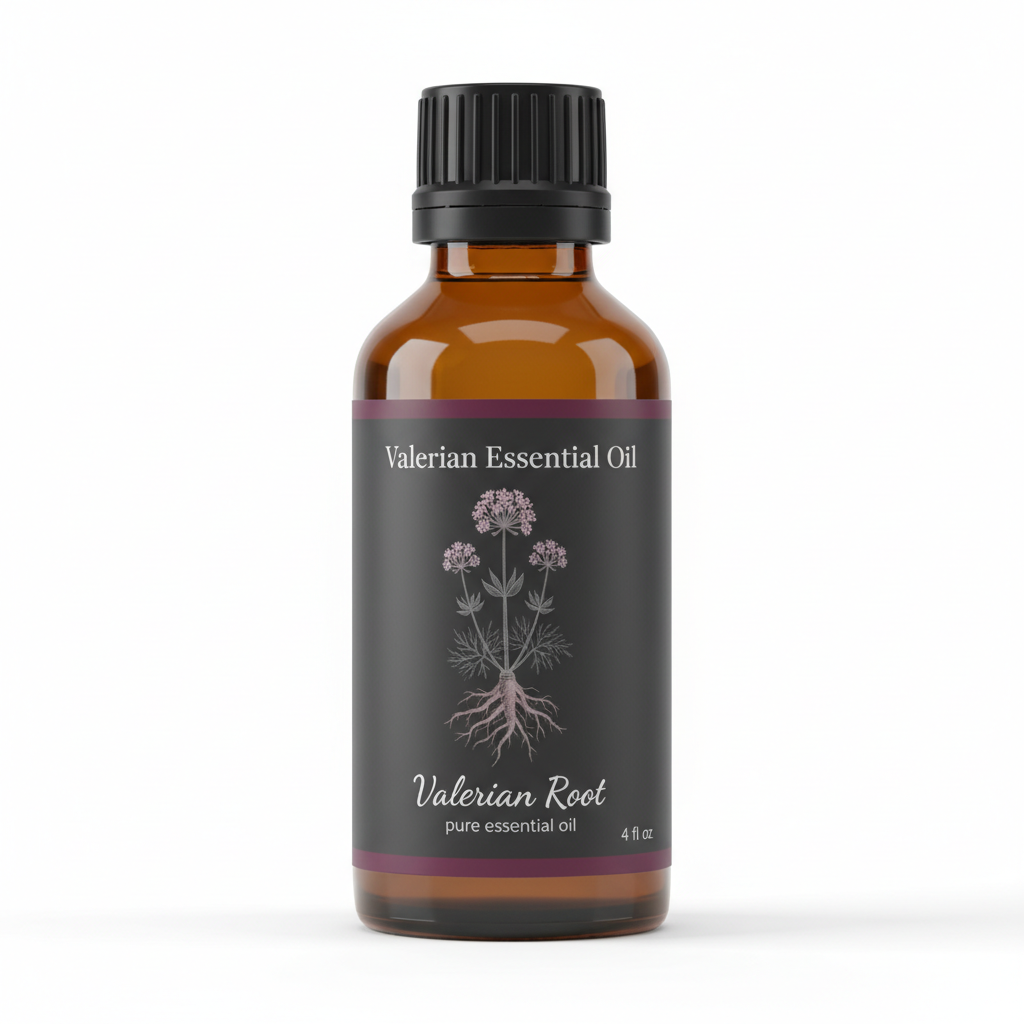
Valerian Root Essential Oil
Our own Valerian Root Essential Oil, in sizes from 0.5 oz to bulk.
From $31.99
Shop Now →A name that may have started as a groan
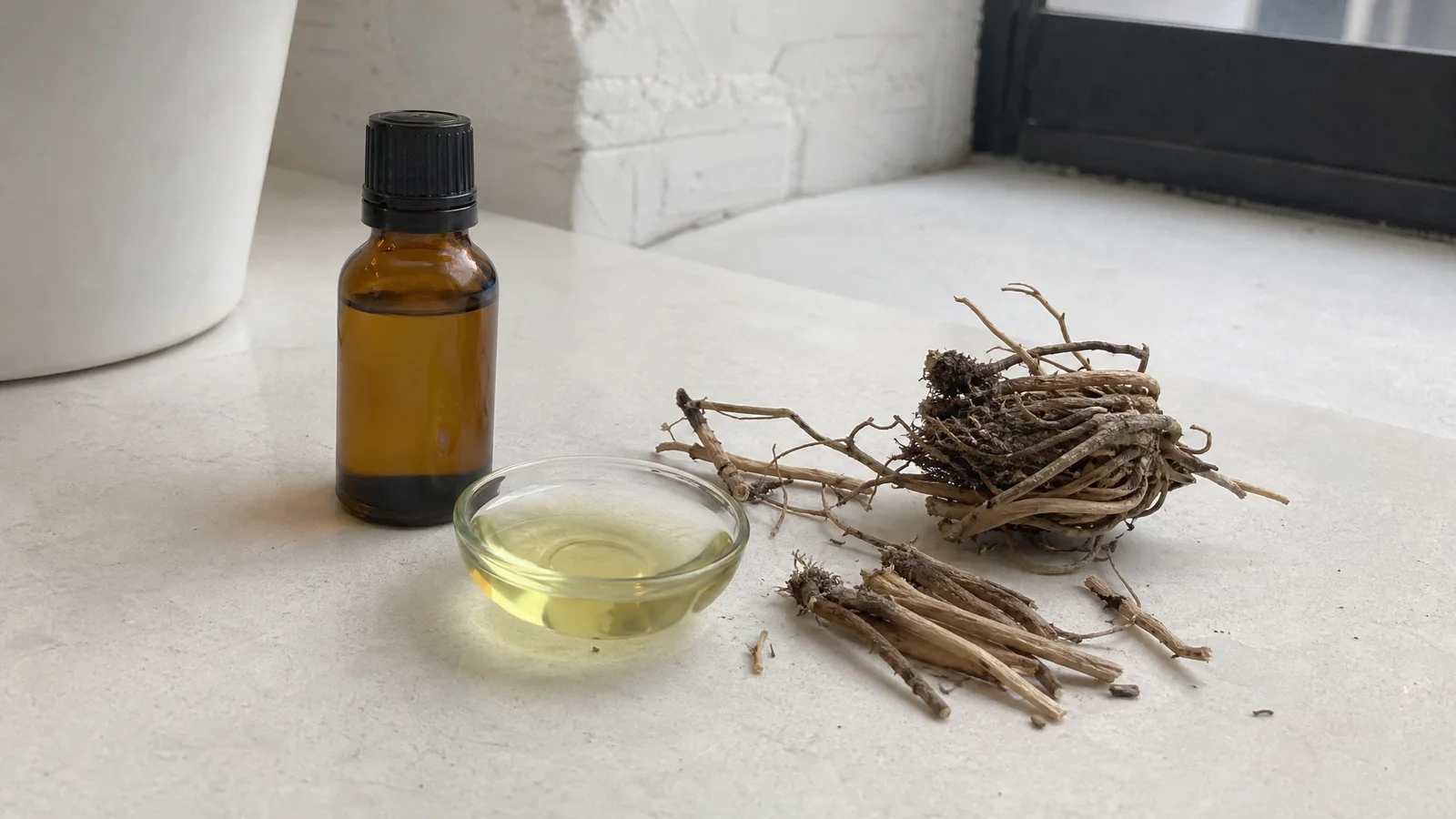
The oldest candidate is a plant called phu (or phou) in the writings of Dioscorides, a physician of the first century. Herbalist and author Christopher Hobbs, in his survey of valerian in European and American medicine, argues that this plant was Valeriana dioscoridis, a different species from the common valerian, Valeriana officinalis, that earlier writers assumed. He adds a lovely guess about the name itself: that "phu" was likely an exclamation of disgust at the smell of the dried root. Anyone who has opened a bottle of valerian oil for the first time will understand the instinct. Some noses take to it at once and some say "phu".
A little earlier, Theophrastus (about 370 to 286 BC) described a related plant with a smell like spikenard and mentioned its use in perfume. If that plant was indeed a valerian relative, then its first documented job was as a scent, which suits a root whose oil we sell as an earthy, musky base note.
How the name and the reputation grew
The word "valerian" itself is thought to come from the Latin valere, to be in health, or valeo, to be strong. Hobbs notes it first shows up in the literature around the ninth or tenth century, and that some writers credit a man named Valerius with first using it in medicine. All of these are guesses made long after the fact, and "strong" could just as easily describe the odor as any reputation.
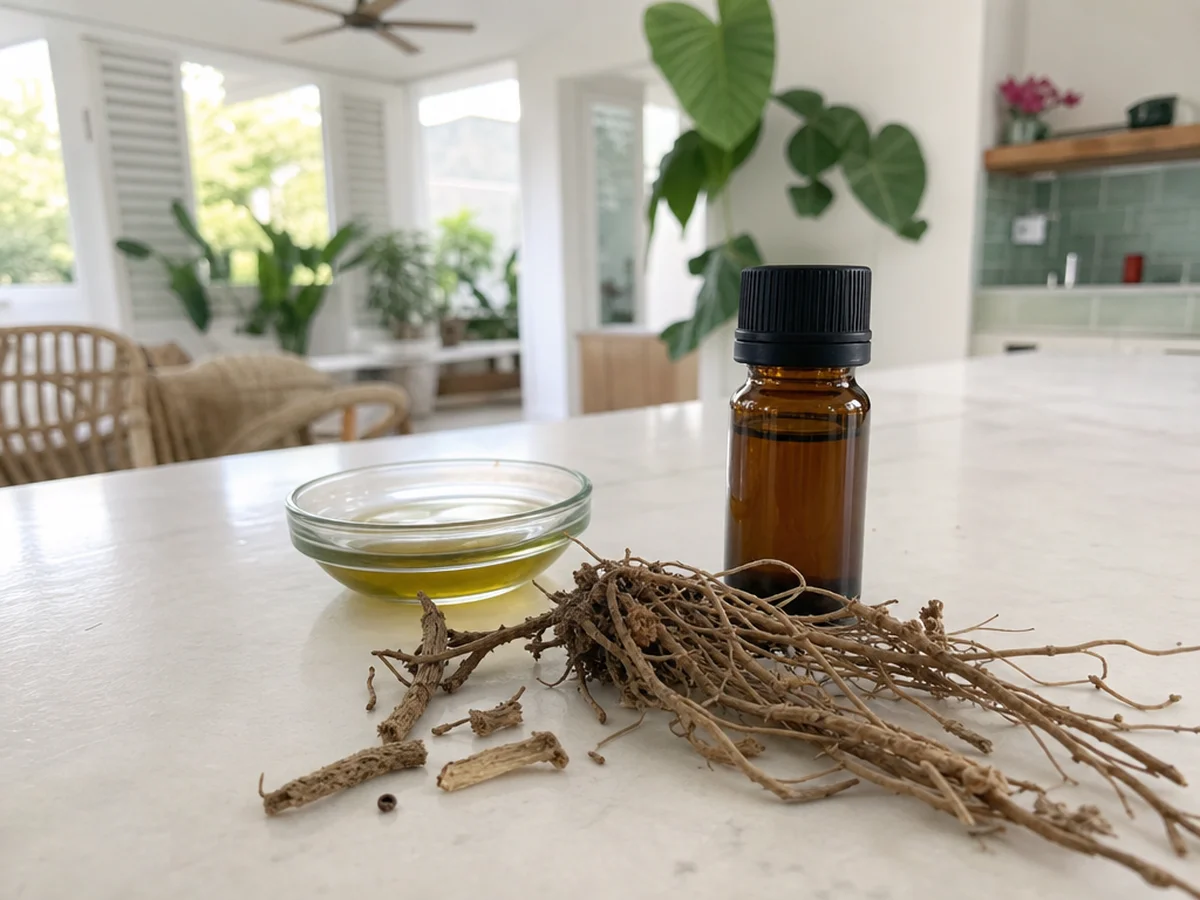
The picture of valerian as a famous remedy for nervous complaints is younger than the legend suggests. In Hobbs's account, it was around the time of the Italian botanist Columna (1567 to 1650) that the root became renowned for the nerves, and from the late 1600s it was used that way more widely. In other words, the famous reputation is a few centuries old rather than two millennia, and nearly every early claim reaches us through a later compiler rather than the original page, which is a good reason to ask anyone repeating a famous name for the citation.
The oil arrives
The essential oil has its own, quieter story. It is steam-distilled from the root, and the European Medicines Agency lists valerian essential oil as a traditional herbal product in the form of oral liquids or bath additives, for adults and adolescents over twelve. The agency is careful to say this rests on long-standing use rather than clinical studies, so the history here is a record of tradition and not a set of findings.
Perfumery tells the other half. Arctander's 1960 reference describes steam-distilled valerian oil as having a warm, woody, balsamic, root-like odor with a distinct animal undertone of great tenacity, with a fresh green, slightly camphoraceous top note in a good oil. He suggests using it in chypre-style perfumes alongside patchouli, costus, oakmoss and cypriol, and notes that a Japanese root oil, from the variety known as Kesso, was cheaper and often used to adulterate the European oil. He also remarks that annual world production, Kesso oil included, was much less than one metric ton. That puts our oil in a small and rather particular corner of the aroma world, and it explains why identity questions, such as which species and which region, are as old as the trade. Our post on the types of valerian oil picks up that thread.
Reading old plant stories with a pinch of salt
Plant history is full of lovely stories, and valerian has plenty. The ones worth repeating are the ones you can check. When you read that a plant was used in perfume, you can test it with your own nose; when you read that it cured something, you can only test it with a source. A good habit with any herbal history is to look for the oldest page that actually says the thing, and to be a little wary of a quote that has been passed from book to book.
A small thing to try
If this has made you curious, there is an easy way to join the story. Open the bottle, take one slow breath and decide for yourself whether you are a "phu" person or not, then write down in a few words what you smelled. People have been describing this root for a very long time, and your own words are as good a way in as any.
What we take from it
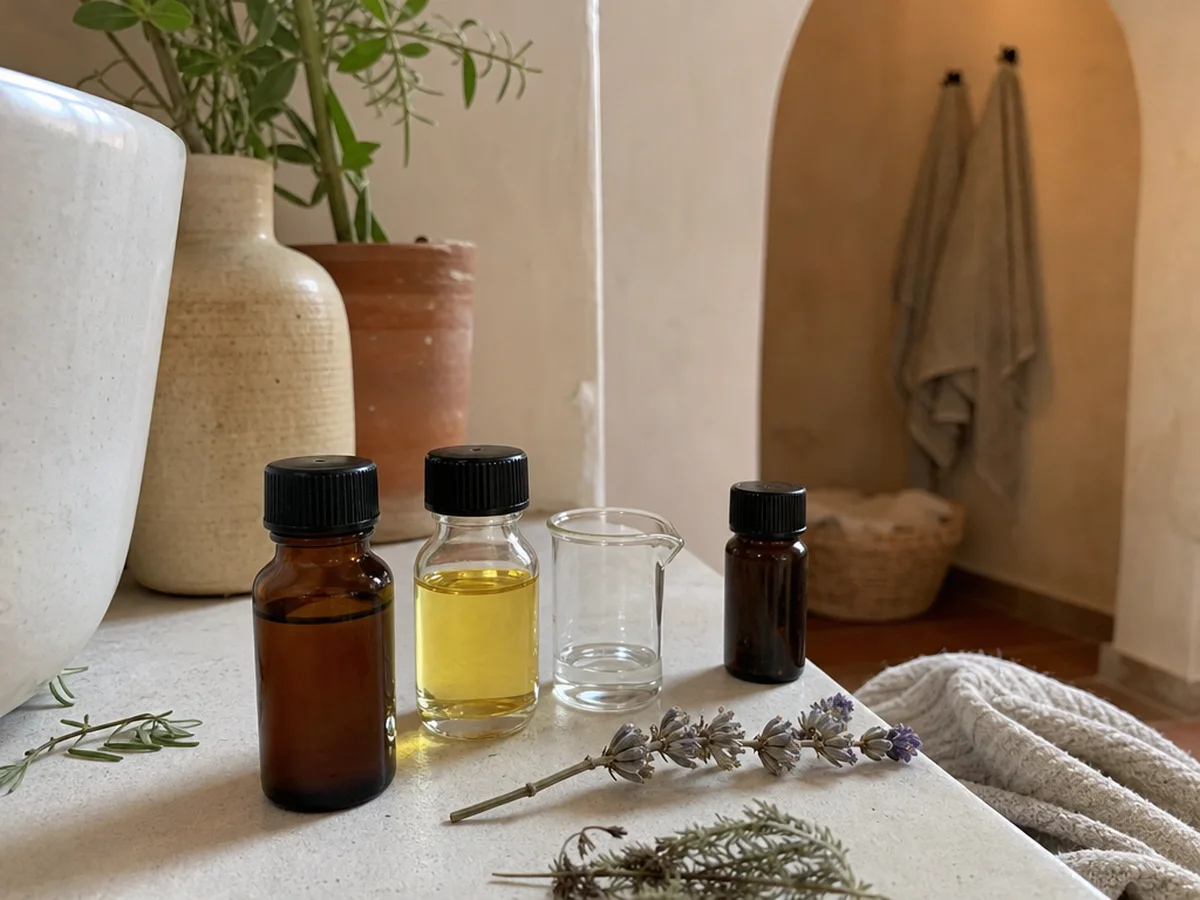
For us the most useful reading of all this is simple. Valerian is a plant people have noticed with their noses for a very long time, and perfumers found a place for its oil long before anyone built a diffuser. We sell it that way: an earthy, musky, woodland-damp base note with a balsamic sweet finish, best used in traces. If you would like to know what to expect when you open the bottle, our honest guide to the smell is the place to start, and the perfumery post shows how the oil behaves in a blend.
History is a good reason to be curious about a plant. It is a poor stand-in for a clinic, so if you are looking at valerian for a health reason, a doctor or pharmacist is the right person to ask. A name as old as phu deserves a little more fun than that, so we hope you will enjoy the smell for what it is.
Valerian Root Essential Oil
Valerian Root Essential Oil from our own shop, in sizes from 0.5 oz to bulk.
From $31.99
Shop Now →Sources & Further Reading
- Hobbs, C. Valerian and Other Anti-Hysterics in European and American Medicine
- Arctander, S. Perfume and Flavor Materials of Natural Origin (1960), Valerian Oil monograph. archive.org
- European Medicines Agency, Valerianae aetheroleum - herbal medicinal product