Valerian and Cats: Why They Love It, and What to Do
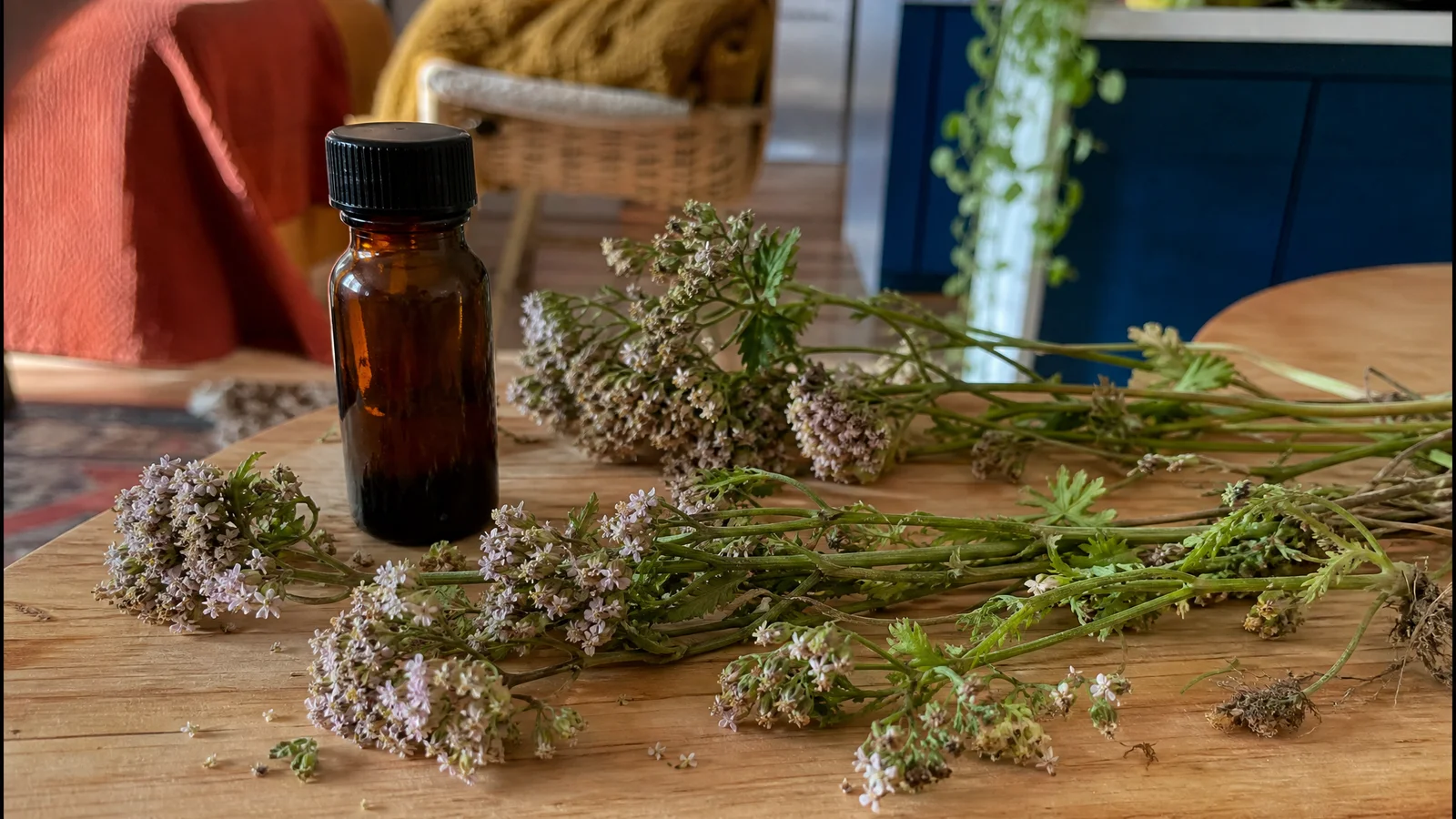
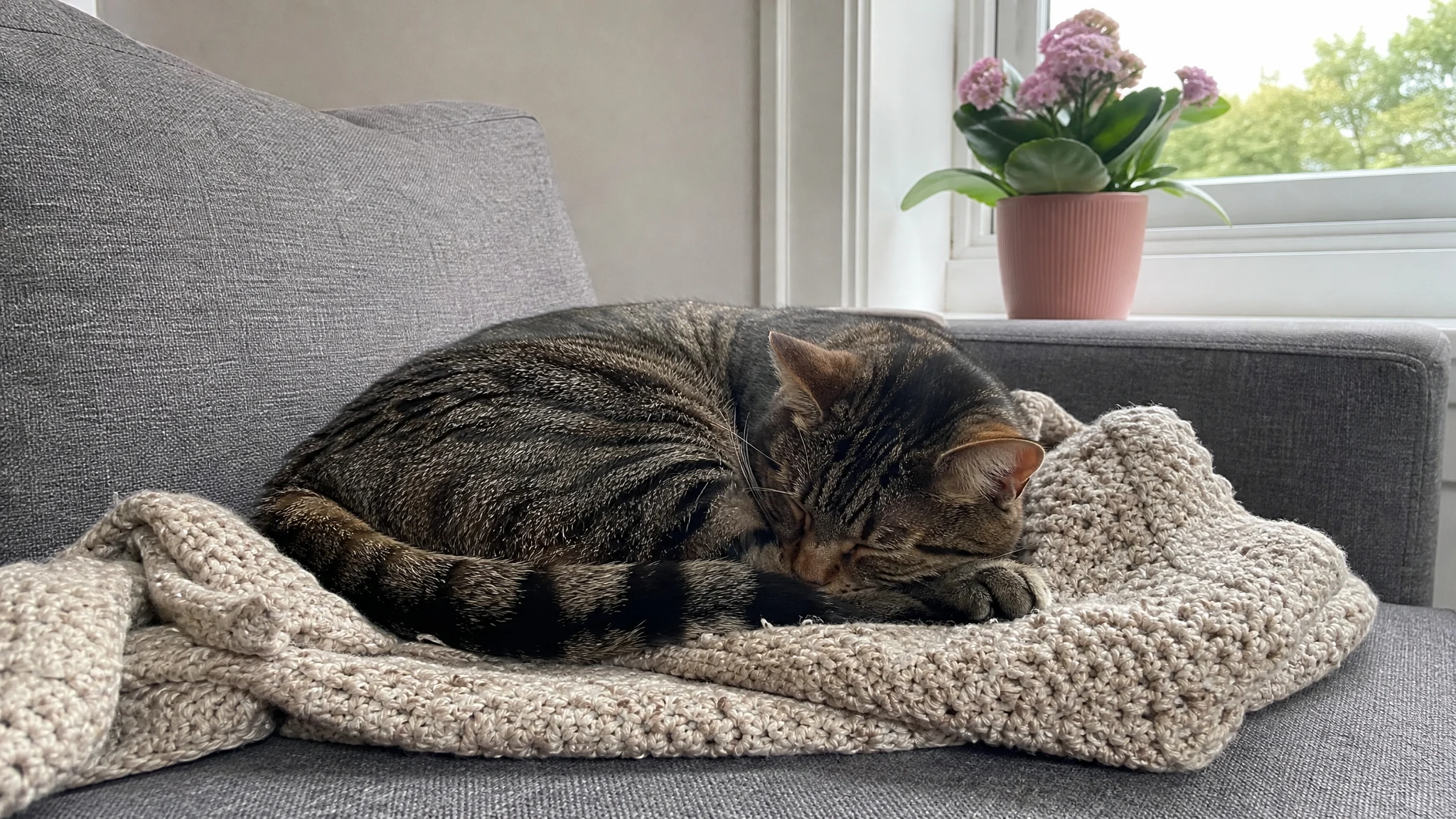
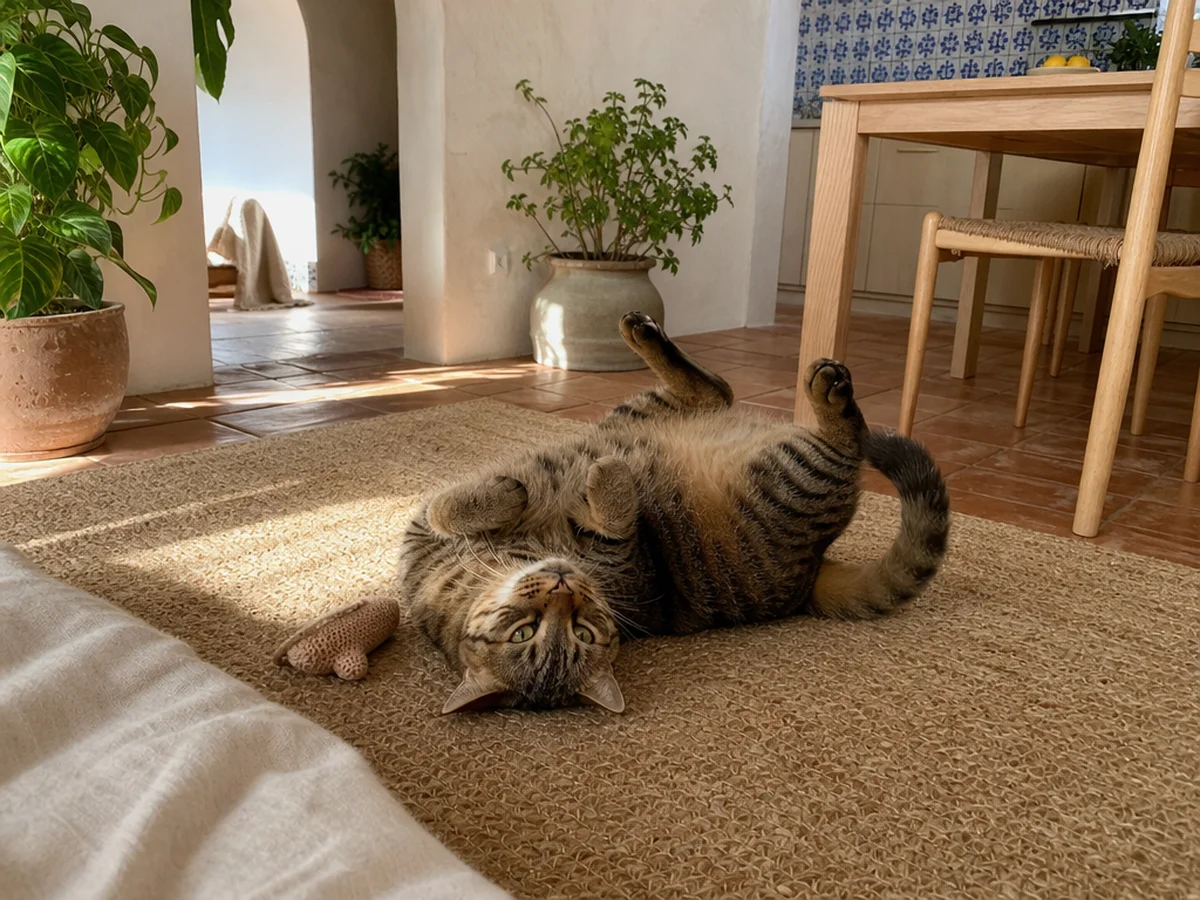
If you have ever watched a cat meet valerian, you know the look: the sudden rub, the slow blink, the head thrown back. Valerian has a reputation as the "other catnip", and it earns it. That makes it one of the few essential oils where the question "will my cat want this?" has a surprisingly firm answer, and a second question matters more: is wanting it the same as being fine around it?
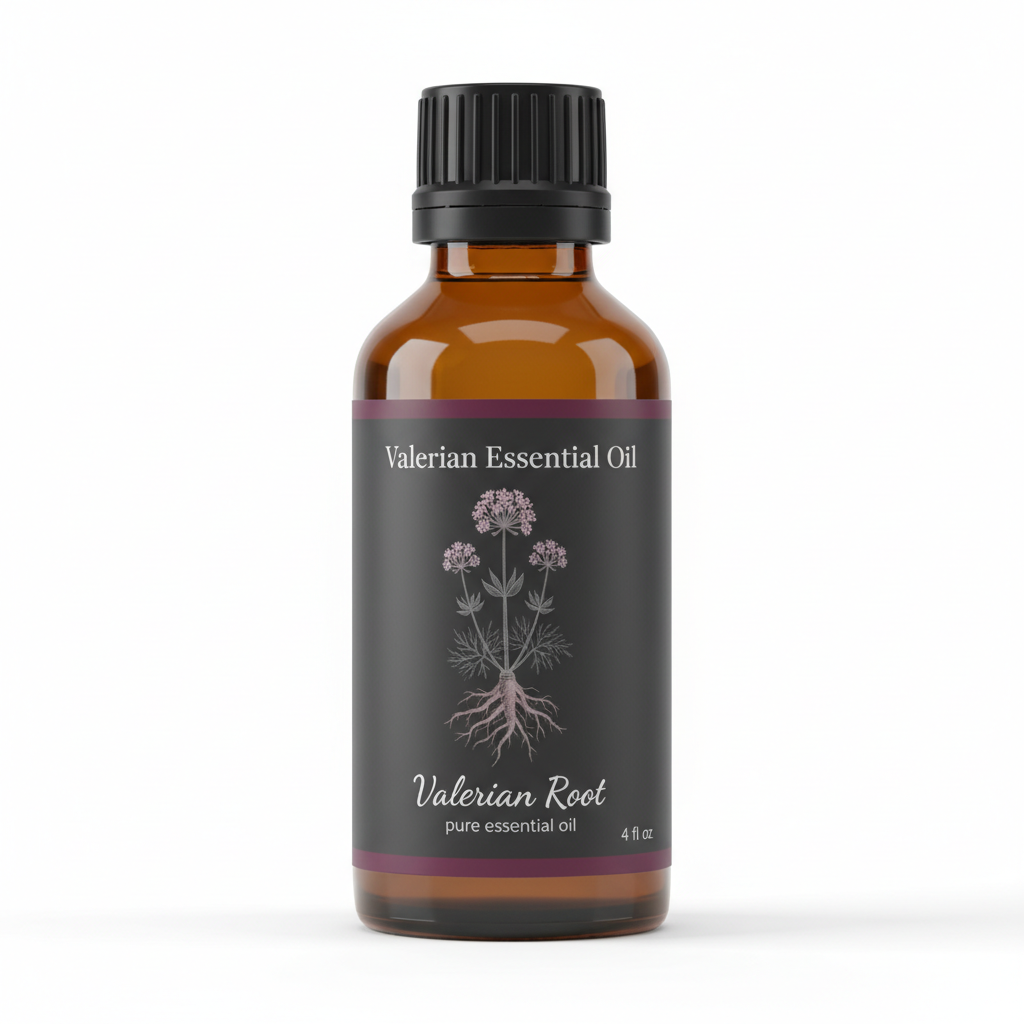
Valerian Root Essential Oil
Our own Valerian Root Essential Oil, in sizes from 0.5 oz to bulk.
From $31.99
Shop Now →What the careful study found
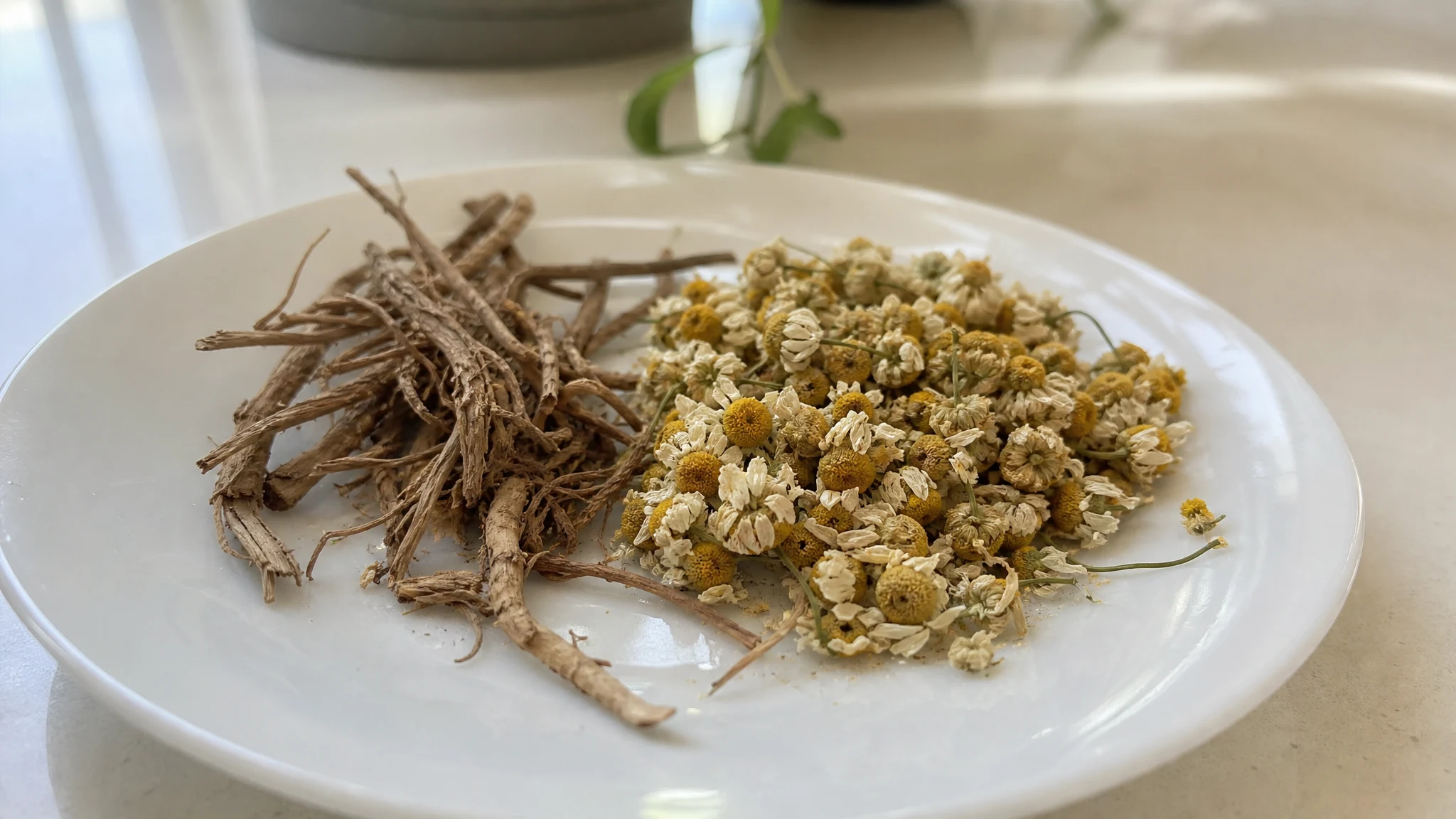
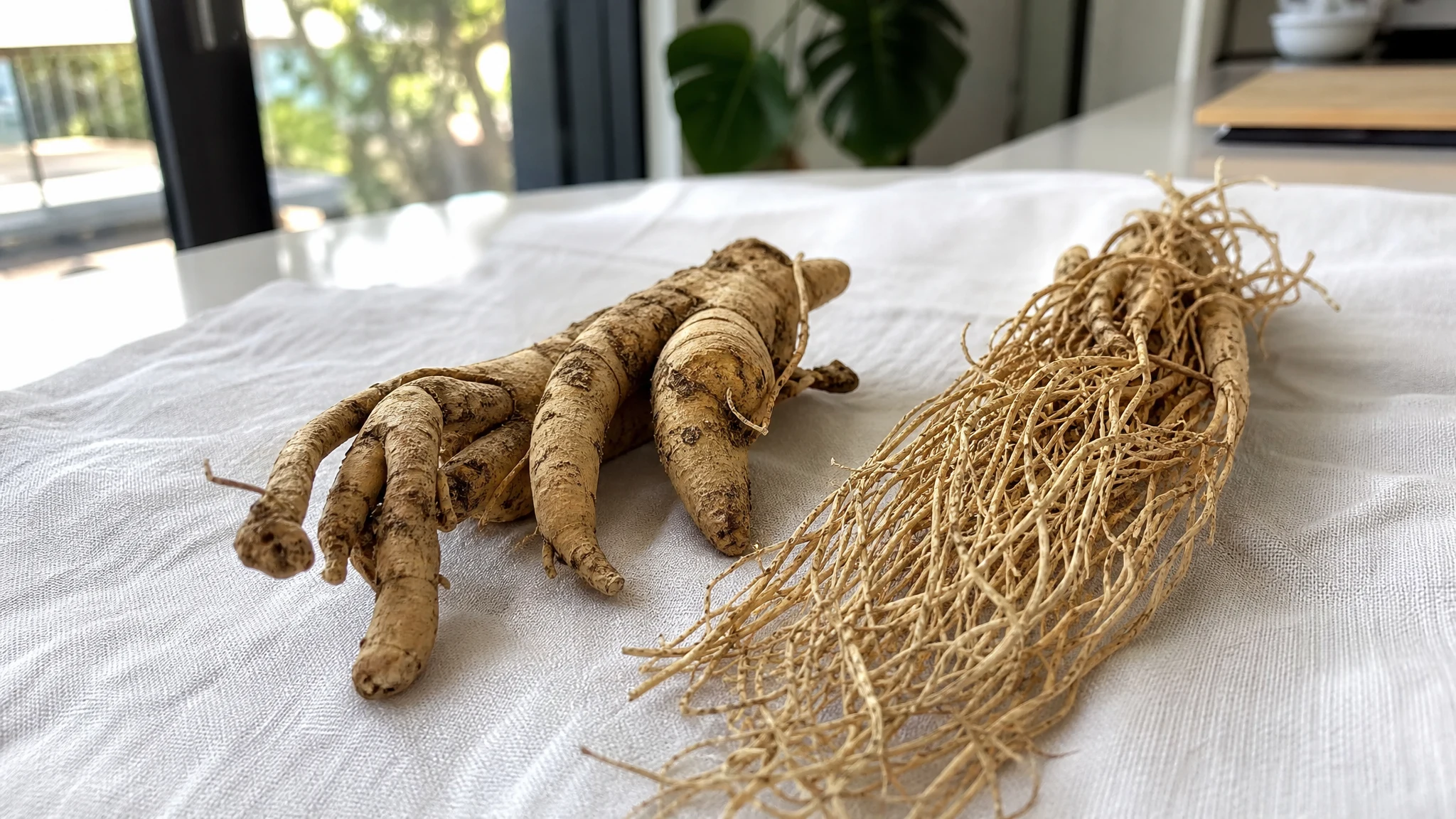
The best test we have comes from a 2022 study in BMC Biology (Bol et al.). Researchers compared catnip, silver vine, Tatarian honeysuckle and valerian in the homes of six domestic cats. For valerian, each cat was offered 15 g of dried, cut root in a sock for ten days, plus a root tincture sprayed on fabric. One cat sat out the valerian trials for medical reasons, so those results come from five animals.
Four of the five responded to valerian, compared with all six for the other three plants. One cat never took an interest in the root sock, though she did respond once to the tincture. Another liked valerian clearly less than catnip. The authors suggest personality and the genetics of smell shape who responds, and they speculate that dried valerian root smells unpleasant to some cats, just as it does to many people.
Two points for anyone holding a bottle. First, this study used the plant, not the oil. Second, it measured interest, not safety. The authors saw no signs of stress, fear or aggression, and noted that these plants can make cats drool. A cat that loves the smell is telling you about its nose and nothing about its liver.
Why cats get extra care with any essential oil
The poison-control organisations speak with one voice here. The ASPCA's poison control centre says cats are especially sensitive to essential oils, that breathing the oils in could lead to aspiration pneumonia, and that it does not recommend using essential oils where pets have access (ASPCA). The Merck Veterinary Manual explains one reason: cats are short of an enzyme, glucuronyl transferase, that helps other animals clear certain compounds. It adds that active diffusers put tiny droplets of oil into the air, and lists vomiting, lethargy, drooling, unsteadiness and loss of appetite among the signs after skin or oral exposure (Merck Veterinary Manual). Pet Poison Helpline says cats and birds are the species at greatest risk (Pet Poison Helpline).
None of those pages names valerian specifically, and a missing name is not a safety statement. They describe essential oils as a class, and cats as the most exposed household pet.
The valerian twist
Put those two bodies of evidence side by side and a practical point appears. Many cats will leave a room whose air bothers them. A cat that is drawn to valerian is the cat least likely to walk away, and the most likely to rub on a bottle, a cloth or a spill. That is our reasoning from the documented facts, not a finding from any one study.
For scale only: the batch described on our Certificate of Analysis has a relative density of 0.947, and a drop is roughly 0.05 ml, so about 47 mg. Spread over a 4 kg cat, one neat drop would be around 12 mg per kilogram. We do not know of a toxic dose to compare that with, and we are not suggesting one; it simply shows that a small drop is not nothing to a small animal.
What we do at home
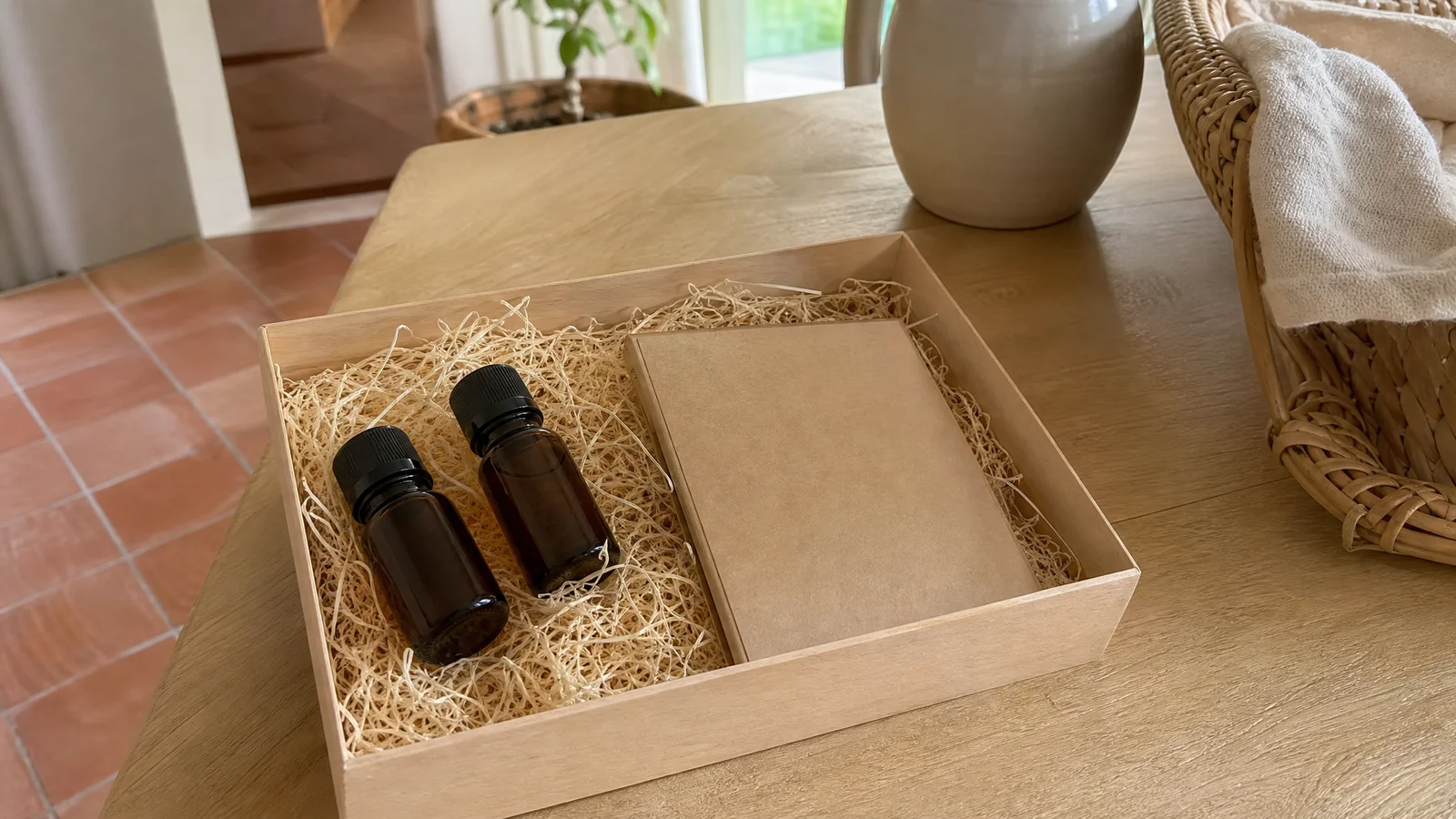
Our own advice is plain. Keep the bottle sealed and well out of a cat's reach, in a cool, dark cabinet that closes. Decant working amounts into a smaller airtight bottle rather than leaving a big container open. Keep the oil away from children and pets, cats especially. If you diffuse it, consider doing so in a room the cat does not use, with the door closed, and remember that the ASPCA would rather you did not use oils where pets have access at all. Our look at diffusers for valerian and our piece on storage cover the practical side, and the safety overview brings it together.
A few small habits help. Close the cabinet door all the way, not nearly. Wipe the neck and cap of the bottle after each use so no oil sits on a shelf where a curious nose might find it. Wash your hands after handling it, because a scent on your fingers is a scent on the sofa your cat sleeps on. And if you would like your cat to meet the plant, your veterinarian or a pet shop is the place to ask what is suitable; we sell nothing for pets.
If your cat is the investigating type, you will notice the moment a bottle comes out: ears forward, nose to the cap. Take that as your cue to close it and put it away, rather than as a charming moment to enjoy.
If a cat does get into the oil, or you see drooling, wobbliness or vomiting, call your veterinarian or an animal poison line straight away. The ASPCA Animal Poison Control Center is on (888) 426-4435.
It is a lovely thing that a plant can delight a cat this much. The rule is just to enjoy that with the real plant, outside the bottle.
Valerian Root Essential Oil
Valerian Root Essential Oil from our own shop, in sizes from 0.5 oz to bulk.
From $31.99
Shop Now →Sources & Further Reading
- Bol S, Scaffidi A, Bunnik EM, Flematti GR. "Behavioral differences among domestic cats in the response to cat-attracting plants and their volatile compounds reveal a potential distinct mechanism of action for actinidine." BMC Biology, 2022. PMC9414117
- ASPCA. "Pet Poisons: Be Mindful of these Household Products and Cleaning Agents." aspca.org
- Merck Veterinary Manual. "Toxicoses From Essential Oils in Animals." merckvetmanual.com
- Pet Poison Helpline. "Essential Oils." petpoisonhelpline.com