Valerian and Jet Lag: Why Light Comes First
Jet lag is not really a tiredness problem. It is a timing problem: your internal clock is still keeping home hours while the sun at your destination says otherwise. That is why the best guidance sounds almost boringly practical, and why we think a bottle of any strongly scented oil, ours included, has no part in solving it.

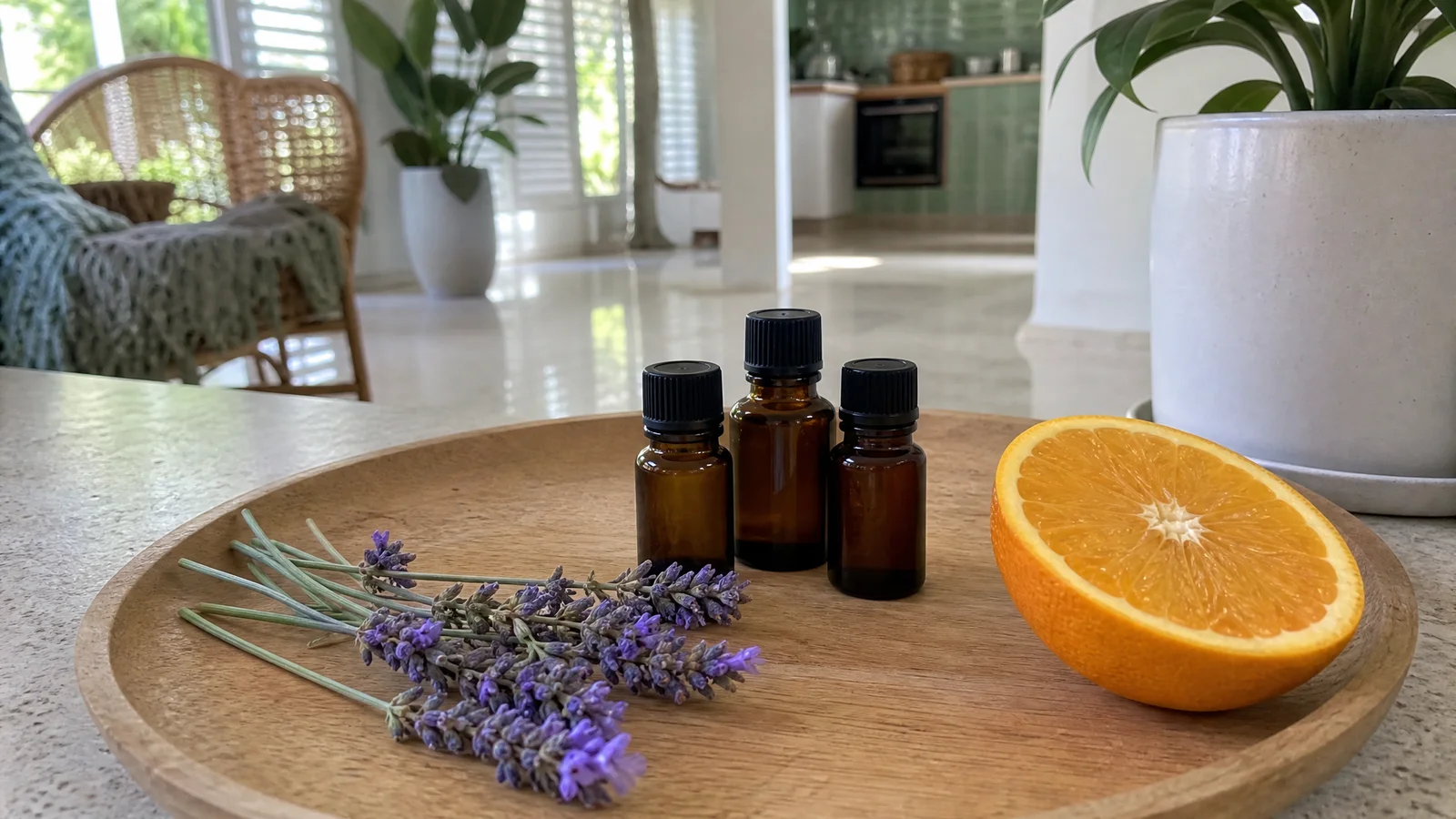
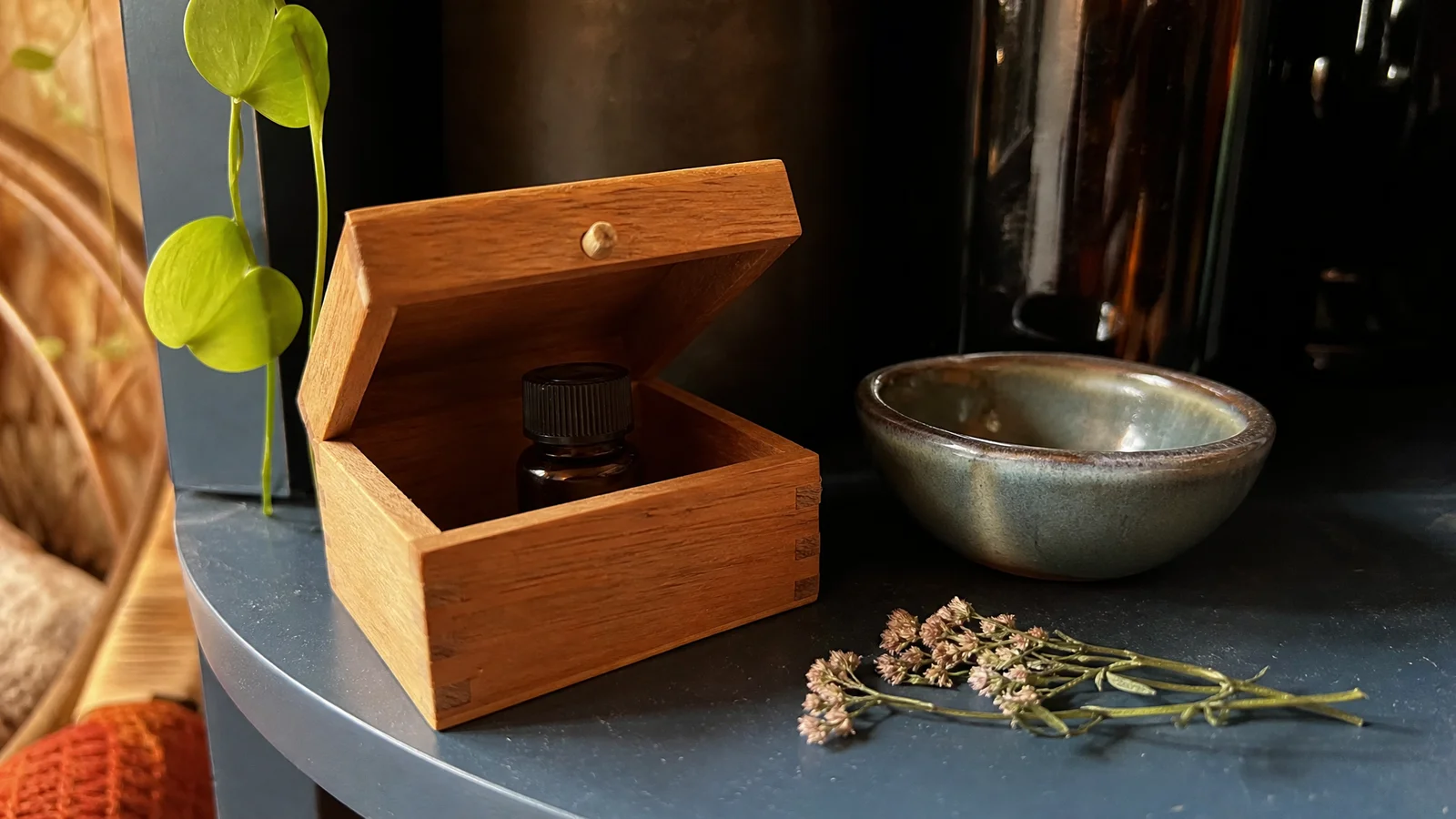
Valerian Root Essential Oil
Our own Valerian Root Essential Oil, in sizes from 0.5 oz to bulk.
From $31.99
Shop Now →The clock responds to light
The CDC’s Yellow Book, its reference for travel medicine, is clear about the main lever. Bright light in the morning, following your body-clock low point, nudges the clock earlier. Evening light generally pushes it later. Which one you want depends on which way you are flying and how many time zones you cross. The Yellow Book suggests shifting your sleep by an hour a day, later for westward trips and earlier for eastward ones, in the two or three days before you go. It also mentions short daytime naps of 20 to 30 minutes to keep you alert in the local day. The NHS gives the same everyday advice for UK travelers: change your sleep schedule to the new time zone as quickly as you can, and get outside during the day because natural light helps your body clock adjust.
A worked timetable
The Yellow Book gives average adaptation rates of about 1.5 hours a day going west and 1 hour a day going east. Divide the time zones by those rates and you get a rough plan. Six time zones west is about four days of adjustment (6 divided by 1.5). Six time zones east is about six days (6 divided by 1). Spend three days before departure shifting your sleep an hour a day and you have already covered three of those hours before boarding. That is our arithmetic on the CDC figures, not a number the CDC states for any particular trip, and everyone’s clock differs. It does show why westward trips feel kinder.
Melatonin: where the authorities differ
Melatonin is the one supplement that comes up in jet lag guidance, and the sources do not agree. The CDC says doses of 0.5 to 1 mg are often enough to produce a circadian shift and advises against high doses above 5 mg. The NHS says melatonin tablets are not recommended on the NHS for jet lag because there is not enough evidence that they work. We take no side, and we do not sell melatonin; a pharmacist or physician is the right person to ask, especially if you take other medicines. The NHS also cautions that sleeping tablets can be addictive and should be used only briefly and when symptoms are severe.
What about valerian?
Neither the CDC nor the NHS page mentions valerian for jet lag, and we are not aware of a trial of valerian, in any form, for jet lag or shift work. We sell valerian root oil as an aromatic perfumery-style base note, with no jet lag, shift work or sleep claim. There is also a practical point for anyone who must be alert on arrival or at the start of a shift. The European Medicines Agency’s draft monograph on valerian essential oil, which covers oral liquids and bath additives, says it may impair the ability to drive and use machines. That describes medicines, not scent, but it is one more reason we keep the bottle out of travel plans. We also recommend not combining the oil with sedative medication, and a flight often comes with a drink or a travel sedative.
Shared air, whether cabin or break room
A deep, tenacious aroma is the opposite of a travel companion. We describe our oil as earthy and musky with real staying power, and we say it will dominate anything beside it. Planes, trains and staff rooms are full of people who did not choose your scent. The Canadian Centre for Occupational Health and Safety counts oils and candles among everyday scented products and lists headaches, dizziness and upper respiratory symptoms among the reactions people report. We would keep valerian for a room you own.
Small habits worth packing
None of these are scented, which is rather the point. Set your watch to the destination time as soon as you board. Decide before you land when you will be outside in daylight on the first day. Note when your first meeting starts and work back from it. Plans like these are dull, and they are the part of the trip that does the real work.
If you want a scent in your travel routine at all, make it a light one that others will not mind, and save the bold root for a quiet room at home where nobody has to share it.
For shift workers
Night work puts the clock out of step with the calendar in the same basic way travel does, so reasoning from the travel guidance, regular timing and light exposure are the levers worth asking about. We are not aware of a verified source that ties valerian or aromatherapy to coping with shifts, so we will not suggest one. If trouble sleeping has lasted for months, the NHS advice for insomnia applies: see a GP. An occupational health clinician can tailor advice to your schedule.
Our oil belongs at home, in traces, in an evening of your choosing. For a body clock out of step with the calendar, daylight and timing do the heavy lifting. If you are curious how we think about valerian beside other sleep products, our comparison with melatonin and our post on valerian oil and sleep are a good place to continue.
Valerian Root Essential Oil
Valerian Root Essential Oil from our own shop, in sizes from 0.5 oz to bulk.
From $31.99
Shop Now →