Valerian Tea vs Valerian Oil: Cup or Bottle?
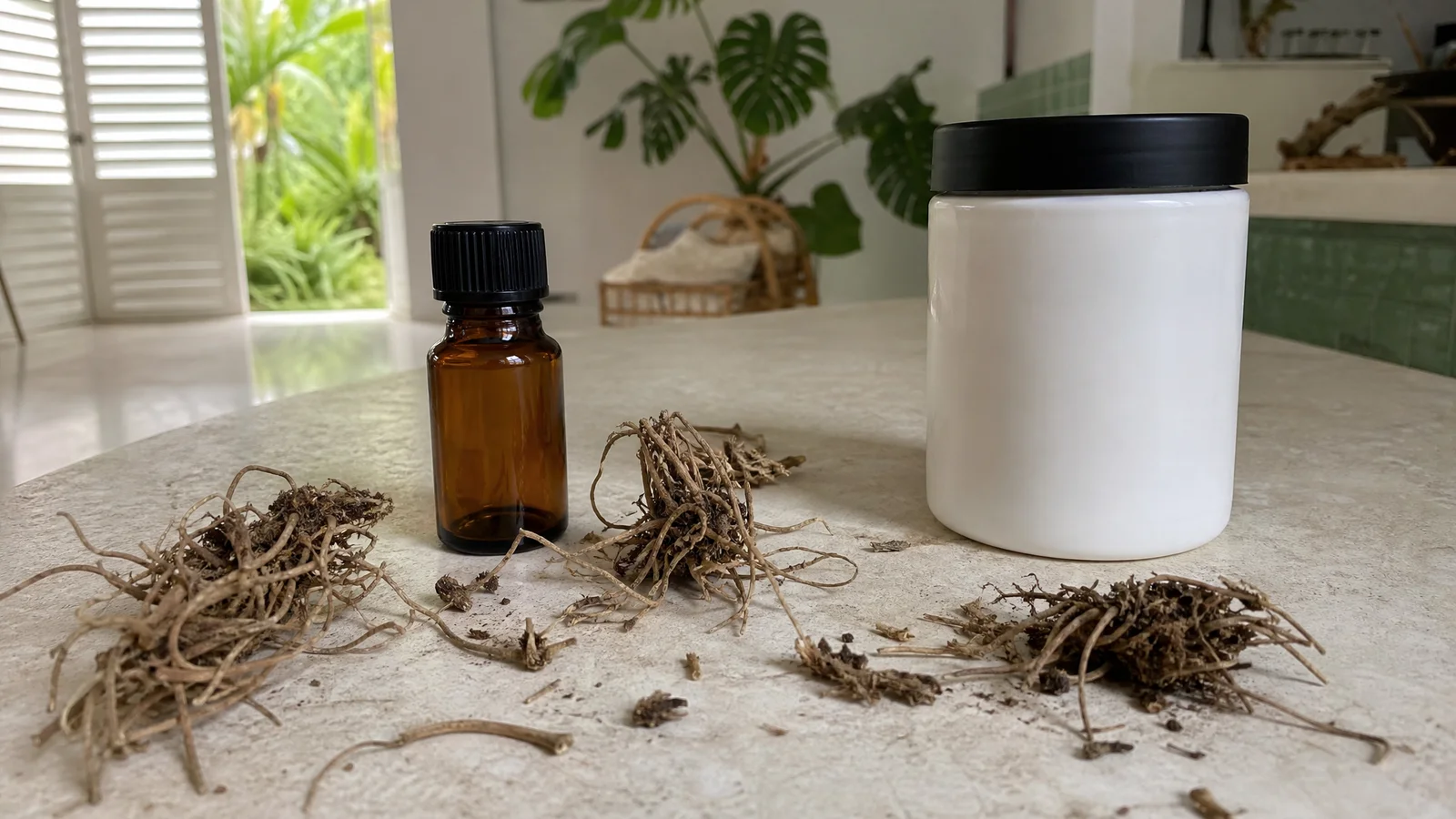
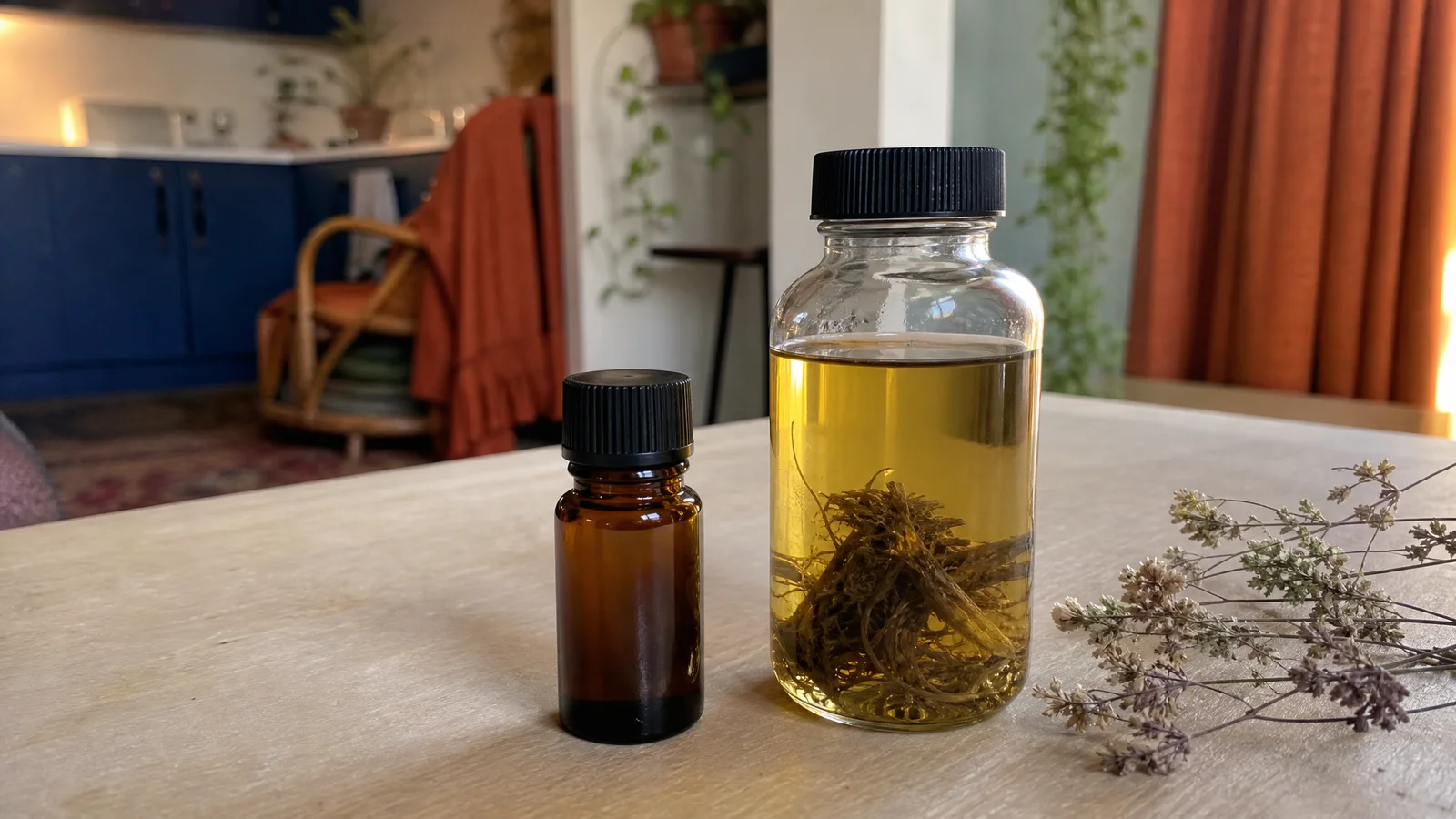
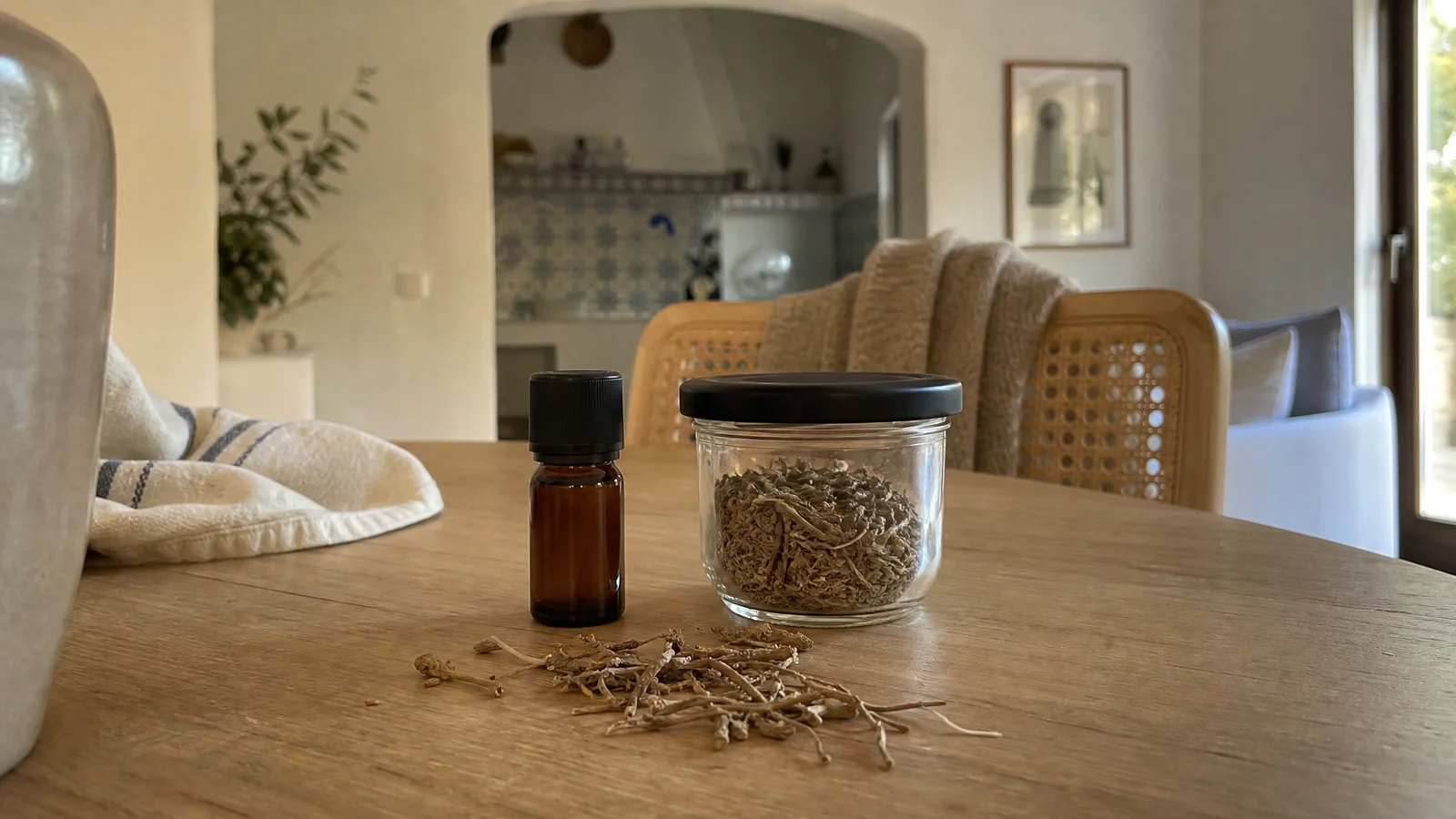
Picture a mug of valerian tea next to a bottle of valerian oil. The scent may remind you of one another, because both come from the same earthy root, but one is a drink and the other is a concentrated aromatic. Mixing them up is easy, and it is worth sorting out, because the rules for each are quite different.
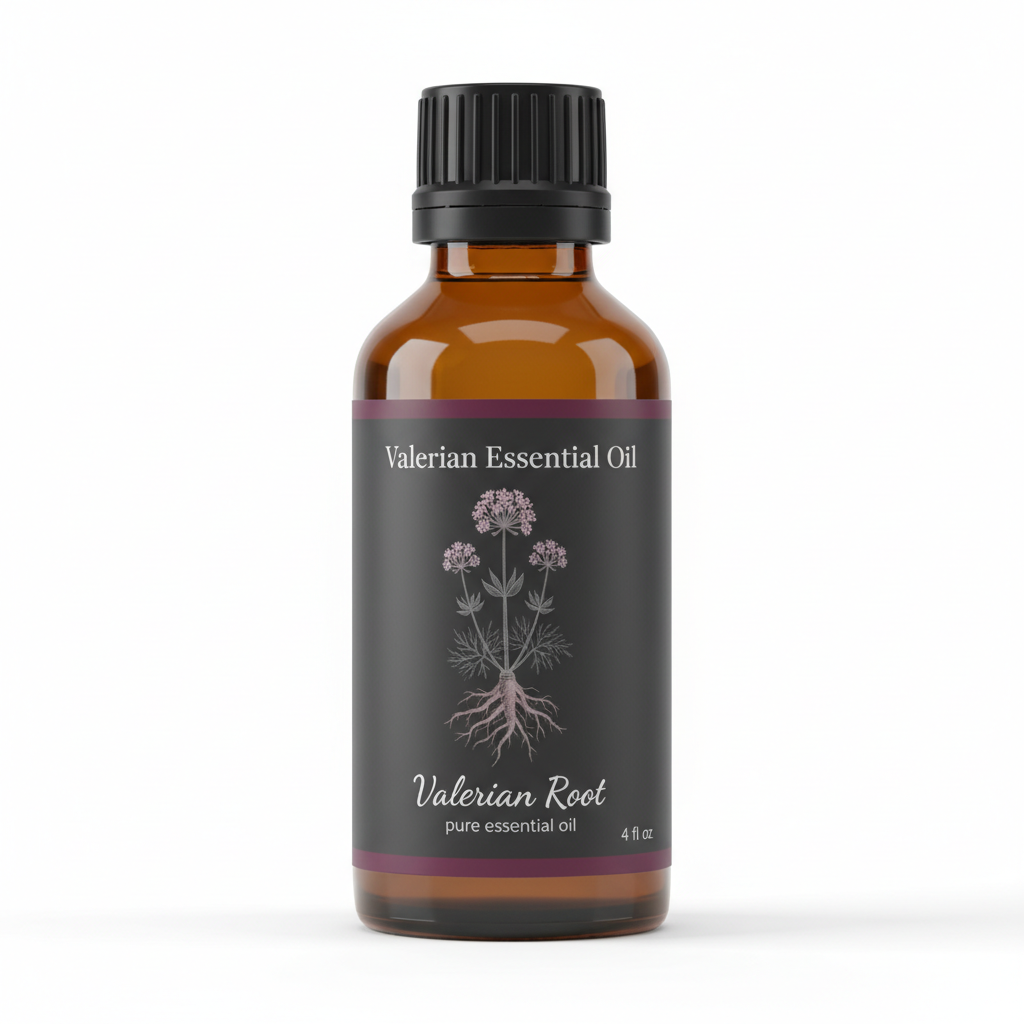
Valerian Root Essential Oil
Our own Valerian Root Essential Oil, in sizes from 0.5 oz to bulk.
From $31.99
Shop Now →Tea is not weak oil, and oil is not strong tea
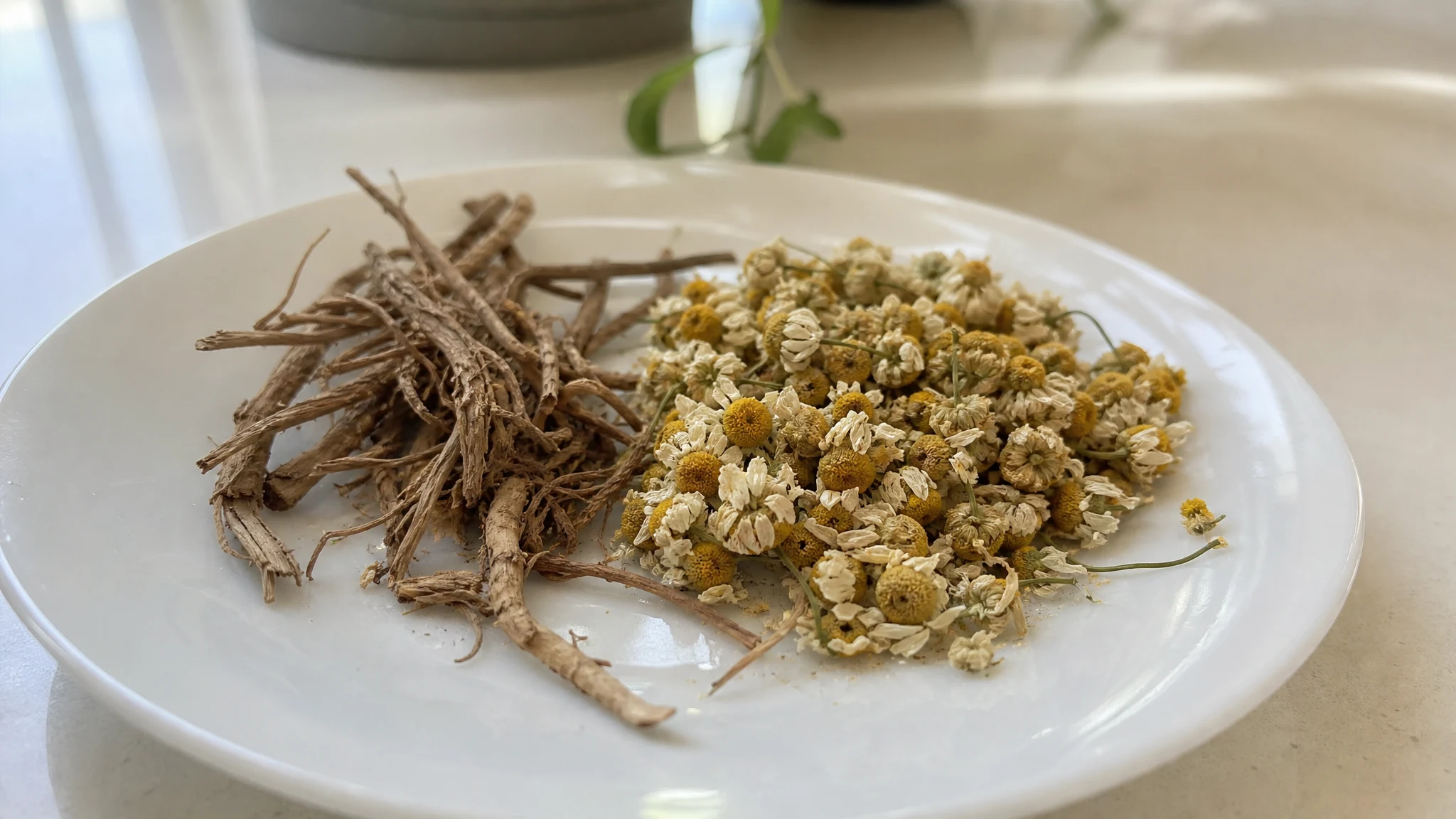
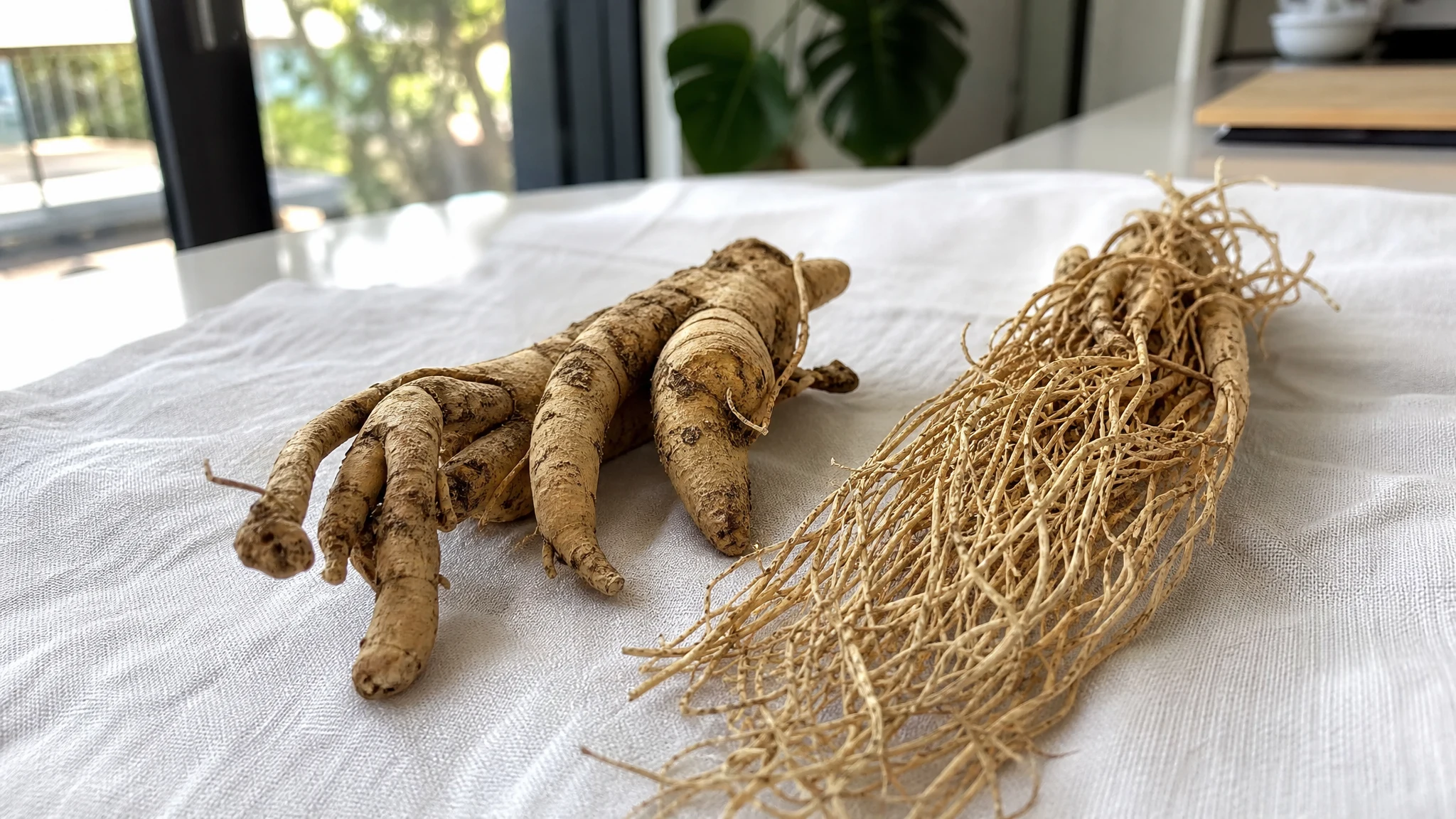
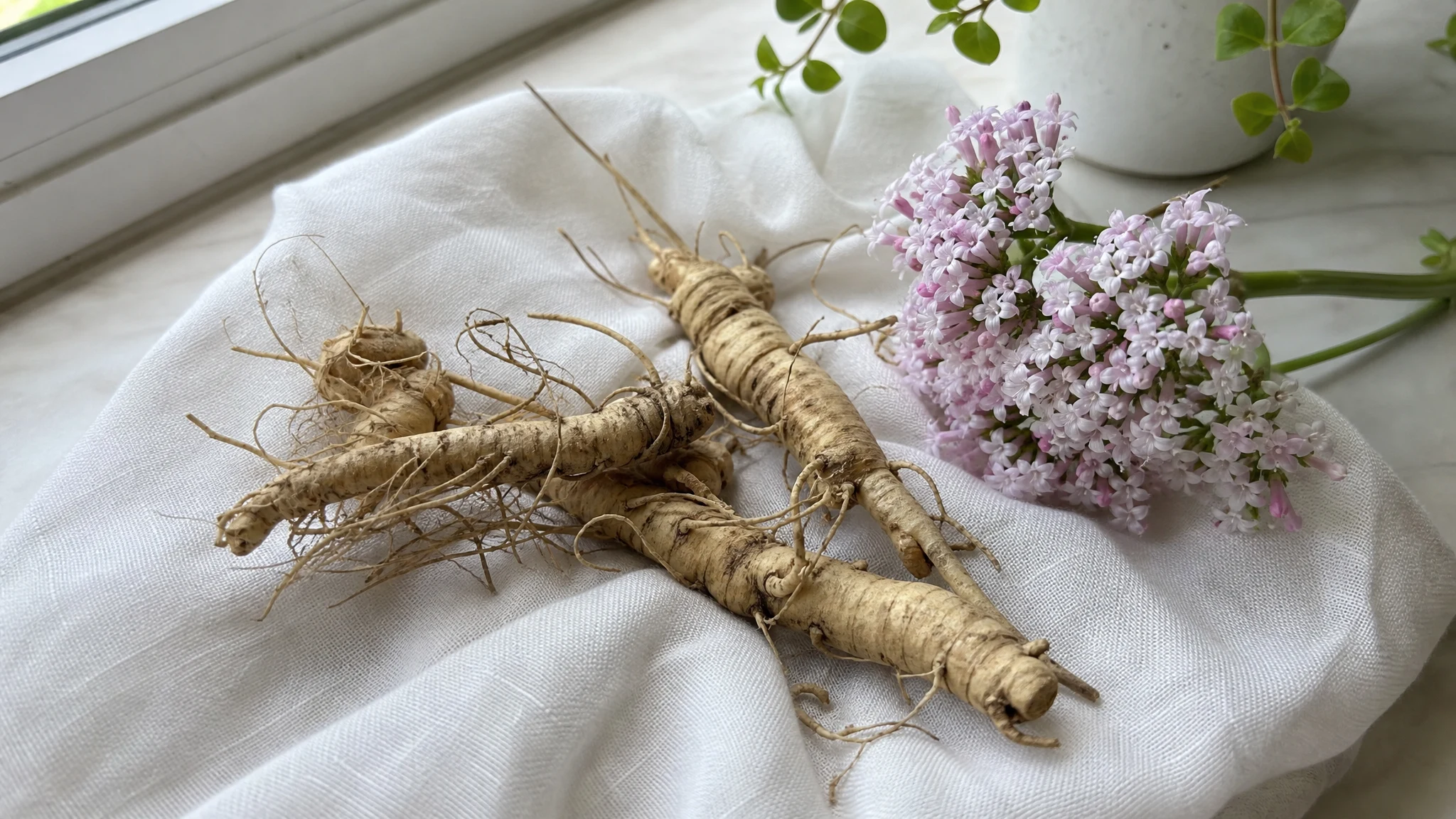
Tea is a hot-water infusion of cut, dried root. The oil is the volatile fraction that steam carries out of that root, which is a different thing altogether. Dried root contains the oil, but it also holds other constituents that the European pharmacopoeia tracks separately: the pharmacopoeia sets a minimum for sesquiterpenic acids, expressed as valerenic acid, alongside the minimum for essential oil (Assessment report on Valeriana officinalis L., radix and Valeriana officinalis L., aetheroleum). So tea and oil differ in route, in chemistry and in amount, and the amounts are the surprising part.
How little oil is in a cup's worth of root
The same report notes that the pharmacopoeia grade of cut root made for herbal teas must contain at least 3 ml of essential oil per kilogram. The European Union monograph for valerian root describes the traditional herbal tea as 0.3 to 3 g of comminuted root in 150 ml of boiling water (European Union herbal monograph on Valeriana officinalis L., radix). Take the top of that range and the arithmetic is quick:
- 3 g of root at the minimum oil content holds about 0.009 ml of oil, under a fifth of a drop at 20 drops to the millilitre.
- At the richest figure from an Estonian study of five root samples, 1.16% of the root's weight (Variation in the composition of the essential oil of Valeriana officinalis L. roots from Estonia), 3 g gives about 0.035 g, which is still less than a drop.
- A 2% dilution in one fluid ounce of carrier uses about 0.6 ml of oil, roughly 12 drops, which is more than ten times that richest case.
These are amounts present in dry root, not amounts that reach the water; how much of the oil passes into an infusion is not something we can put a figure on. The comparison is still useful. A bottle of oil concentrates the scent of a great deal of root into a very small volume, and that is why nothing said about tea carries across to the bottle.
What the tea record looks like
The regulator's wording is modest. The monograph classes the herbal tea as a traditional herbal medicinal product, based on long-standing use rather than on trial evidence. It says continued use over two to four weeks is described, advises seeing a doctor or pharmacist if symptoms persist or worsen after two weeks, and says use under 12 years of age is not recommended.
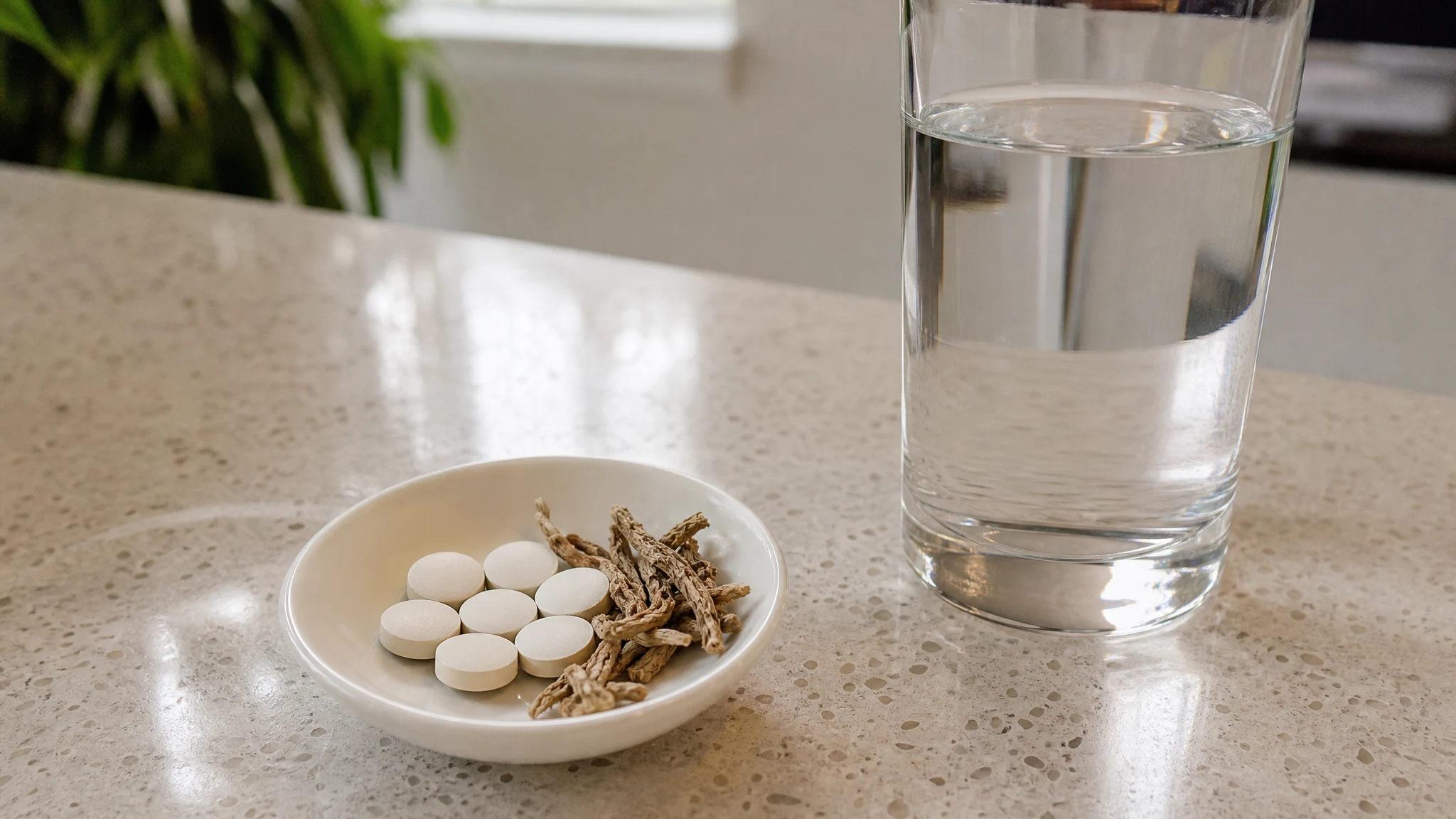
The US National Center for Complementary and Integrative Health is more cautious again. It says valerian is generally safe for short-term use by most adults at 300 to 600 mg a day for up to six weeks, that long-term safety is unknown, and that side effects can include headache, stomach upset and vivid dreams. It advises against combining valerian with alcohol or sedatives and notes that little is known about pregnancy or breastfeeding (Valerian: Usefulness and Safety). That page concerns oral supplements, so it is context for tea rather than anything about oil. For what the studies measured, see our reading of the insomnia research.
What the oil is
We sell one valerian root oil, steam-distilled from dried root and rhizome and sold neat. We describe its aroma as earthy, musky and woodland-damp with a balsamic sweetness, a base note that suits traces in a diffuser blend, in soap and candle work, or in a perfume accord. It is a concentrated cosmetic and aromatic oil, never swallowed and never added to a drink. If a bottle is ever swallowed, Poison Control recommends calling 1-800-222-1222 in the US (Essential oils: Poisonous when misused). Our dilution guide covers skin use, and for pregnancy, medication and pets the advice is to ask a doctor, pharmacist or vet.
What each one is like to live with
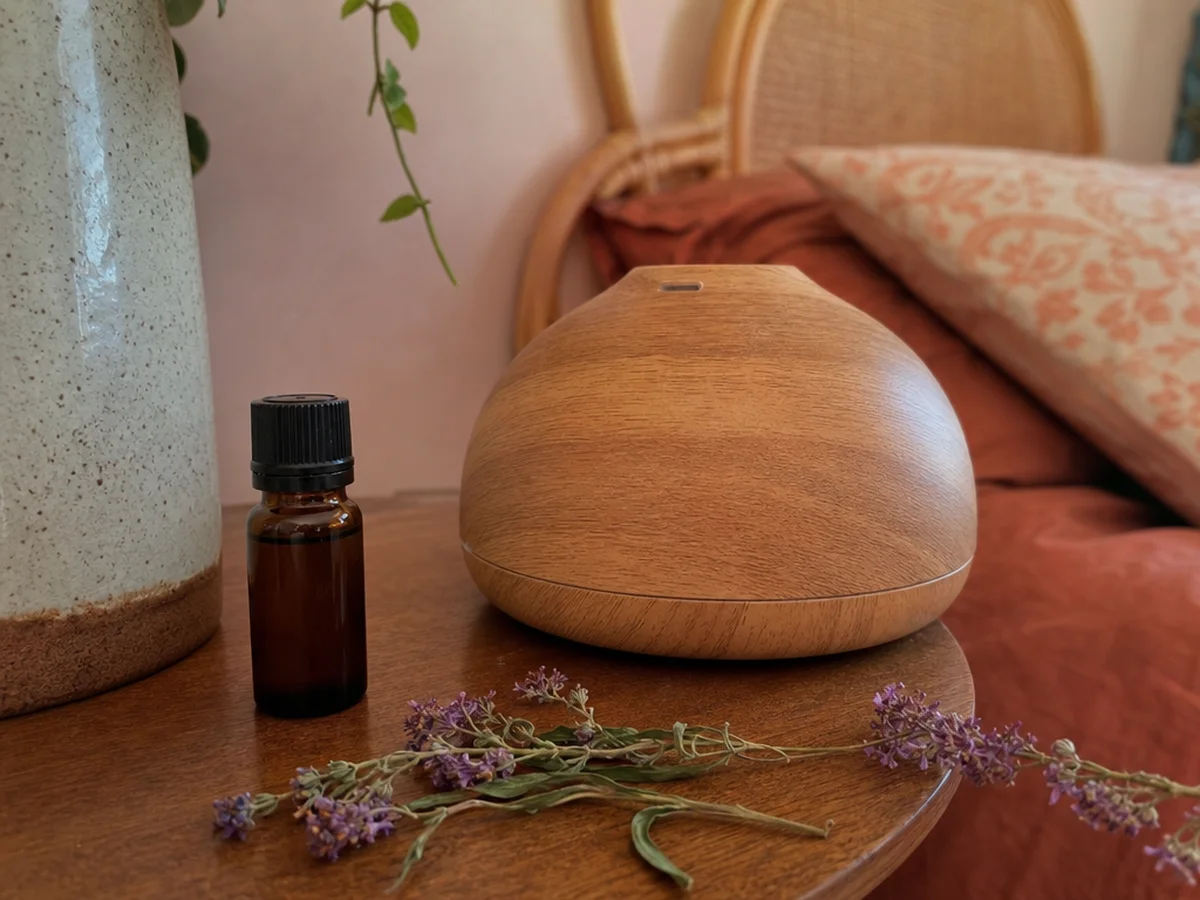
A tea is an everyday kitchen object. You open a packet, smell dried root, and the scent is soft, earthy and a little mustier than most herbal teas. A bottle of oil is a different kind of presence: you open it and the earth, musk and woodland dampness arrive all at once, and a drop on a strip will scent a whole table. Many people who know the tea are surprised by how much bigger the oil is. It is the same plant, but not the same experience.
That size is why we suggest keeping the bottle capped between uses and handling it with a measured hand.
Choosing between them
If you want a drink, tea comes from a grocery or pharmacy, and a pharmacist is the right person to ask if you take sedating medicines, drink alcohol regularly or have had liver trouble. If you want a scent, the oil is a bold character in small amounts, and a smaller bottle is plenty to find out whether you love it; our size guide explains why. If you want both, treat them as two separate decisions, each with its own checks. And if you share your home with a cat, keep the bottle sealed and out of reach, since cats are famously drawn to the scent.
Whichever one you are curious about, a short note to yourself helps: what it is, where it came from, and what you used it for. Our oil is an aroma and cosmetic material, the tea is a food-aisle product, and keeping the two in separate cupboards avoids a mix-up.
Same root, very different cups and bottles, and each is at its best when it is used for what it is.
Valerian Root Essential Oil
Valerian Root Essential Oil from our own shop, in sizes from 0.5 oz to bulk.
From $31.99
Shop Now →Sources & Further Reading
- European Medicines Agency, Assessment report on Valeriana officinalis L., radix and Valeriana officinalis L., aetheroleum (EMA/HMPC/150846/2015).
- European Medicines Agency, European Union herbal monograph on Valeriana officinalis L., radix.
- Raal A, Orav A, Arak E, Kailas T, Müürisepp M. Variation in the composition of the essential oil of Valeriana officinalis L. roots from Estonia. Proc Estonian Acad Sci Chem 2007.
- National Center for Complementary and Integrative Health, Valerian: Usefulness and Safety.
- National Capital Poison Center, Essential oils: Poisonous when misused.