Valerian Oil on Skin: Dilution, Patch Test, Placement
People often ask where on the body valerian oil should go, and the honest answer is that no source we found says one spot is better than another. What we can tell you is how much oil belongs in how much carrier, how to test it, and how to think about placement if you want to wear its deep, musky aroma on your skin.
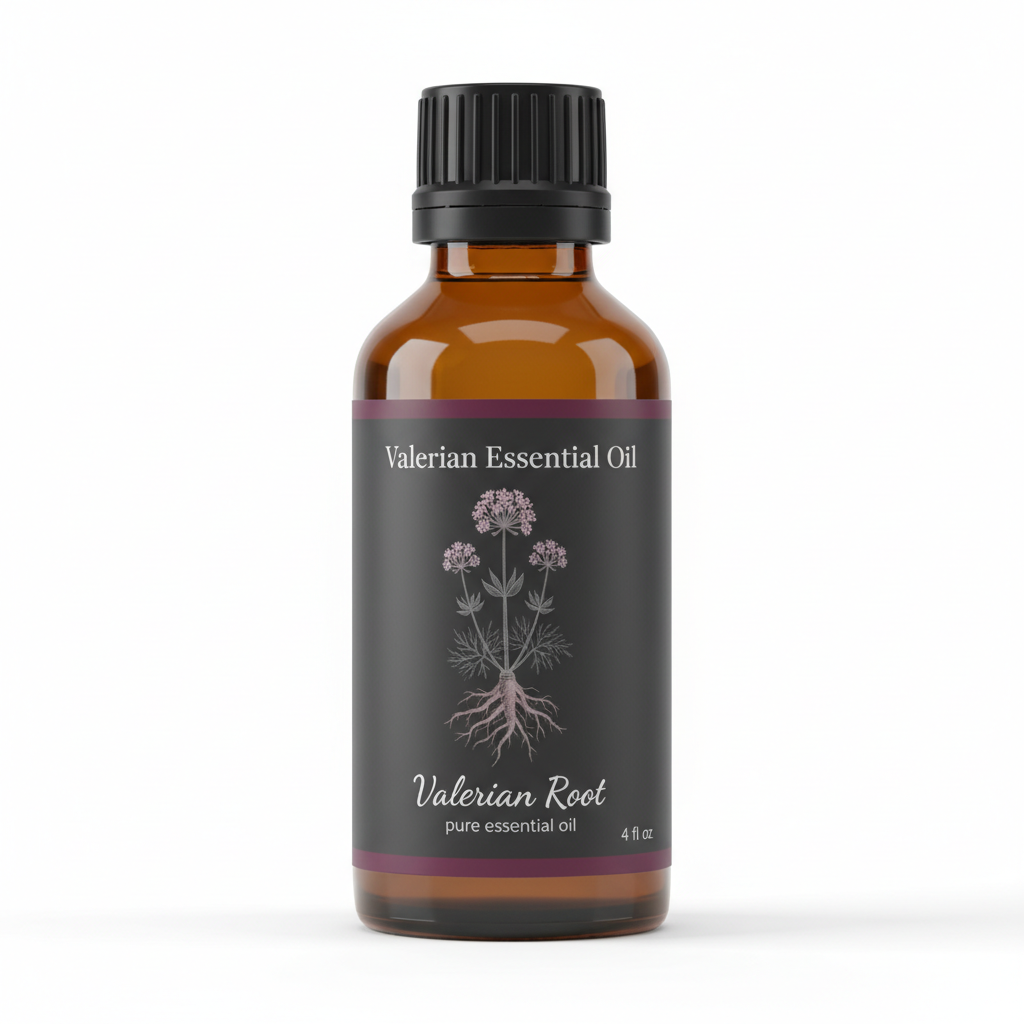
Valerian Root Essential Oil
Our own Valerian Root Essential Oil, in sizes from 0.5 oz to bulk.
From $31.99
Shop Now →Start with dilution, not location
Valerian oil is a concentrated material sold neat. Our guidance is to dilute it to 0.5% to 2% in a carrier oil, patch test first, and keep it away from eyes, children and pets. Poison Control says the same in general terms: because essential oils are potent, diluting them in a carrier oil is the best way to avoid a bad reaction from direct skin contact.
We have not found a published dermal limit for valerian oil, so we cannot call any percentage a safe maximum. That is why we suggest beginning at the low end, 0.5% to 1%. For your own formulation, check the current IFRA standards for the product type you are making.
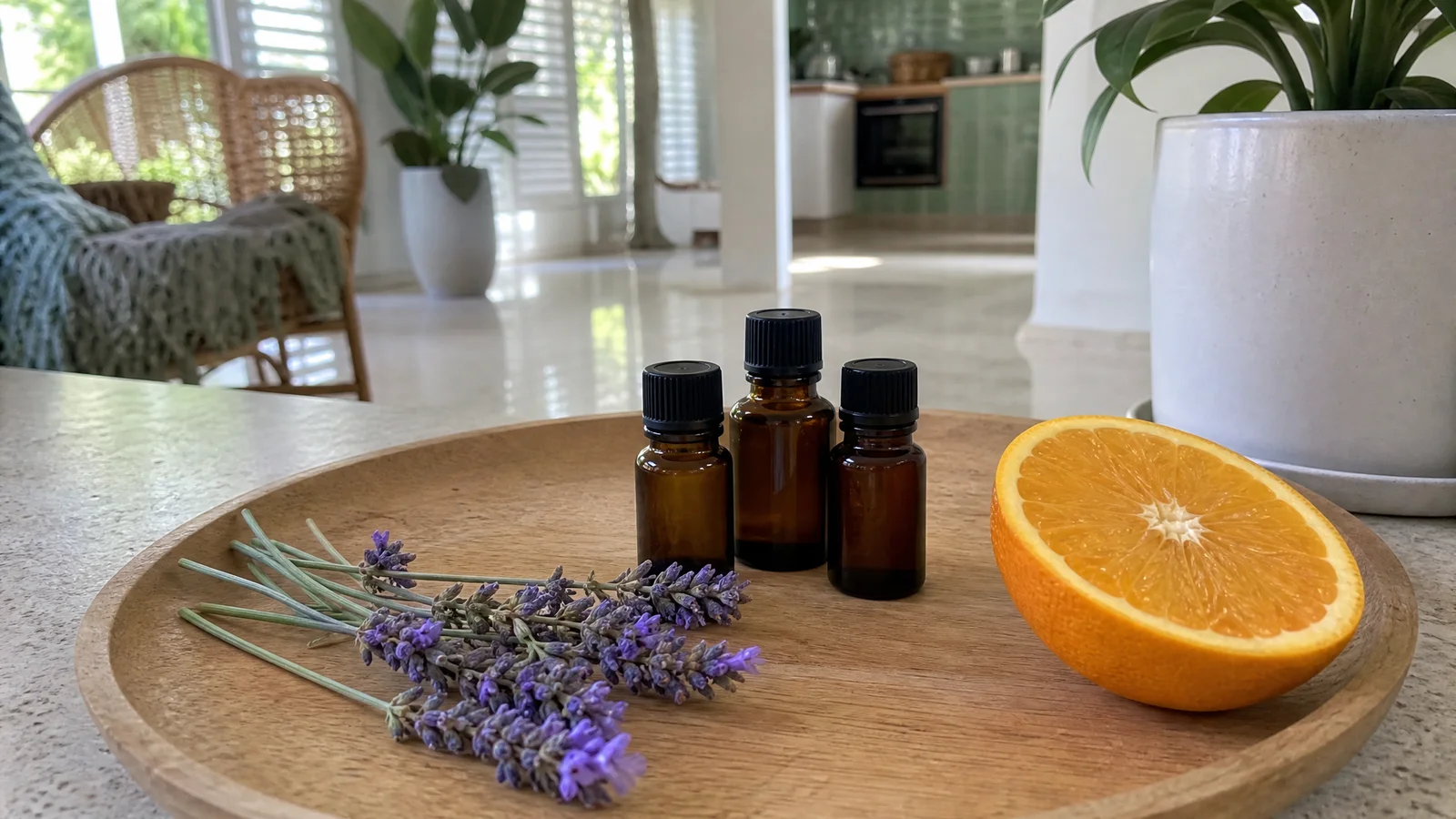
A quick piece of arithmetic helps. One ounce of carrier is about 29.57 ml. At roughly 20 drops per milliliter, 0.5% comes to about 3 drops, 1% about 6, and 2% about 12. Treat these as rough: the oil is thick, so real drops tend to be larger, and a small scale is more accurate than counting. For a deeper walkthrough, see how to dilute valerian oil. We sell the oil only, so carrier oil comes from a pharmacy, grocery or craft supply shop; look for a fresh one with an ingredient list you recognize.
Patch test before anything else
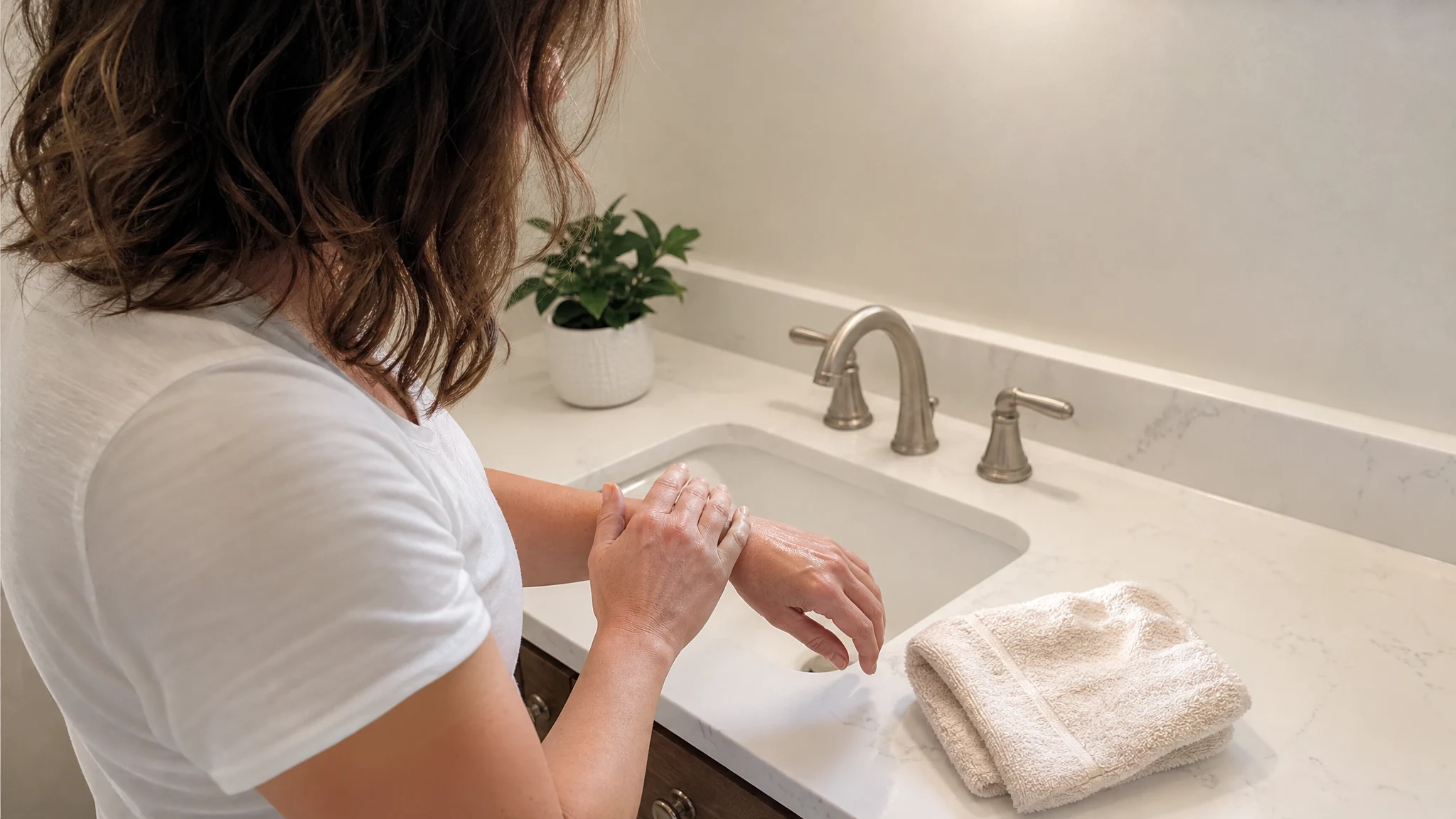
Dab a little of your finished dilution on a small patch of intact skin, such as the inside of the forearm, and leave it for a day or more to watch for redness or itching. Some reactions are slow to show, so waiting longer is a sensible habit with an aroma this strong. If skin reacts, wash it off and stop using it. Poison Control also advises against using essential oils on damaged skin, and that is a good rule to follow here.
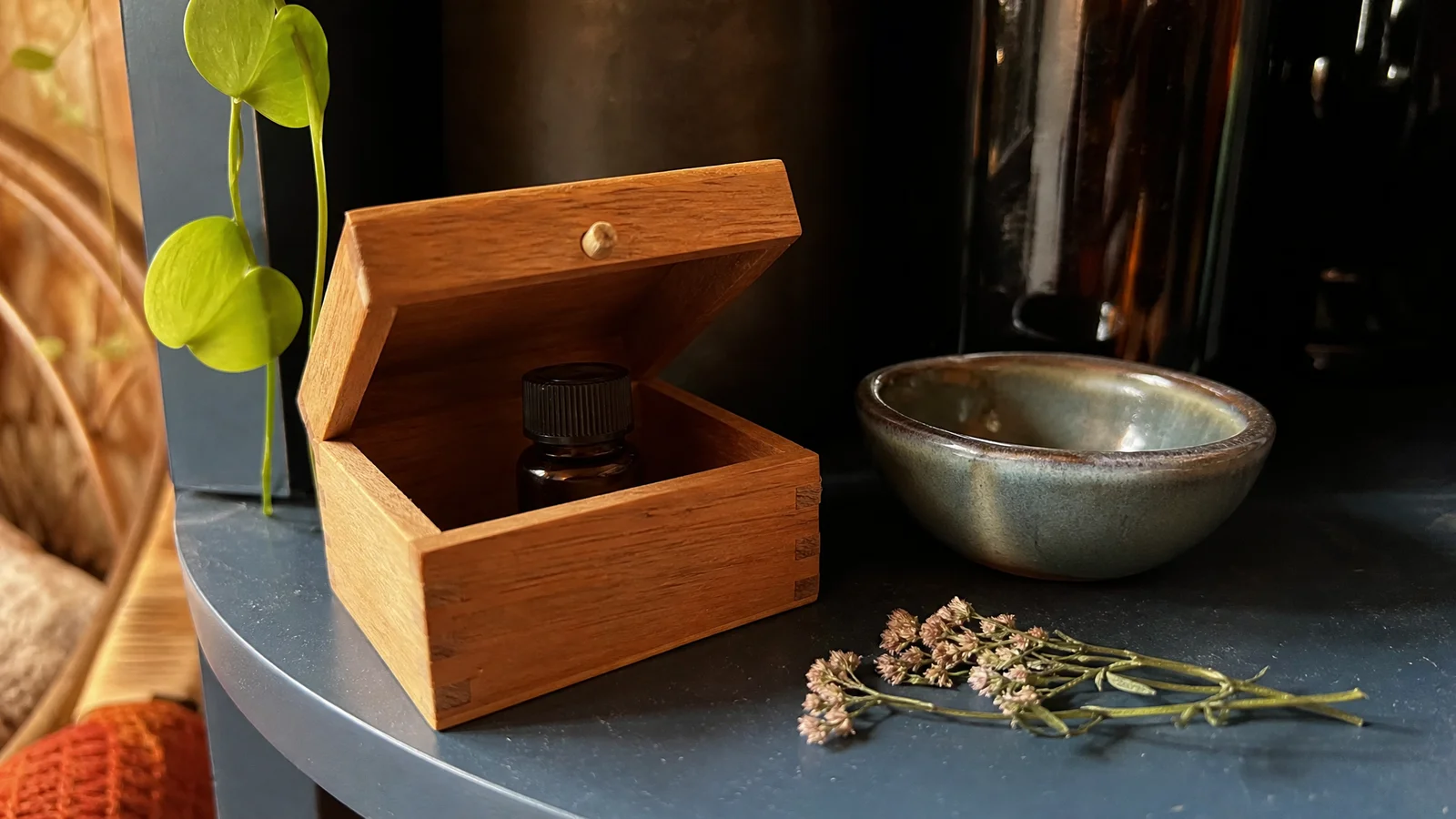
Keep the finished dilution in a small, clearly labelled bottle with the date on it. Small batches suit an aroma like this, because you will use it a dab at a time and a fresh blend keeps the smell crisp.
Choosing a spot for the aroma
Valerian is a perfume ingredient first, and we sell it that way. It is a perfumery-style base note, so the question of where to put it is really a question of where you want to carry a scent. That is our reasoning rather than a researched rule, but it leads to a few practical choices:
- Somewhere you can wash off quickly. The aroma is tenacious, so a small dab goes a long way. Our harvest guidance is to use it in traces, and the same restraint applies on skin.
- Away from the face. Keep it clear of eyes, lips and the area right around the nose.
- Intact skin only. Skip anything cracked, freshly shaved, sunburned or irritated.
- Not on children. We say to keep it away from children, and the pets in your house will notice too. Cats are strongly drawn to this scent, so keep the bottle sealed and out of their reach. See valerian oil and cats.
Wearing it: a few practical habits
Mix your dilution in a small labelled bottle, and use a clean fingertip for a very small dab rather than a swipe. Carrier oils can leave a mark on fabric, so let it absorb before you dress. Because the aroma is strong, begin with less than you think you need; you can always add more later, but you cannot take it back.
Notice how the scent changes over the first hour. Warm skin tends to open an aroma up, so the earthy start may soften towards the balsamic sweetness. If it is more than you wanted, wash with soap and water. A smell that you love in the bottle does not always want to travel with you all day, and that is perfectly fine.
Why we do not point to a body part for a benefit
You may run into advice online about applying essential oils to the temples, feet or chest for a particular effect. We do not make claims like that. The US FDA says how an aromatherapy product is regulated depends largely on its intended use, including claims in labeling and advertising, and we sell valerian as an aromatic, cosmetic-use oil, not a remedy. Most valerian research looks at swallowed root preparations, and NCCIH says there is not enough evidence to draw conclusions for most conditions, so none of it describes a diluted oil on skin. If you have a health concern, a doctor or pharmacist is the right person to ask.
Our harvest guidance is to avoid valerian oil in pregnancy as a precaution and not to combine it with sedative medication, and our disclaimer asks anyone who is pregnant, nursing or has a medical condition to consult a physician first. Our post on pregnancy and breastfeeding has more.
In the end, the right place for valerian oil is wherever a very small, well-diluted amount of a very big aroma makes you happy.
Valerian Root Essential Oil
Valerian Root Essential Oil from our own shop, in sizes from 0.5 oz to bulk.
From $31.99
Shop Now →