Valerian Oil in Winter: Why Less Is More
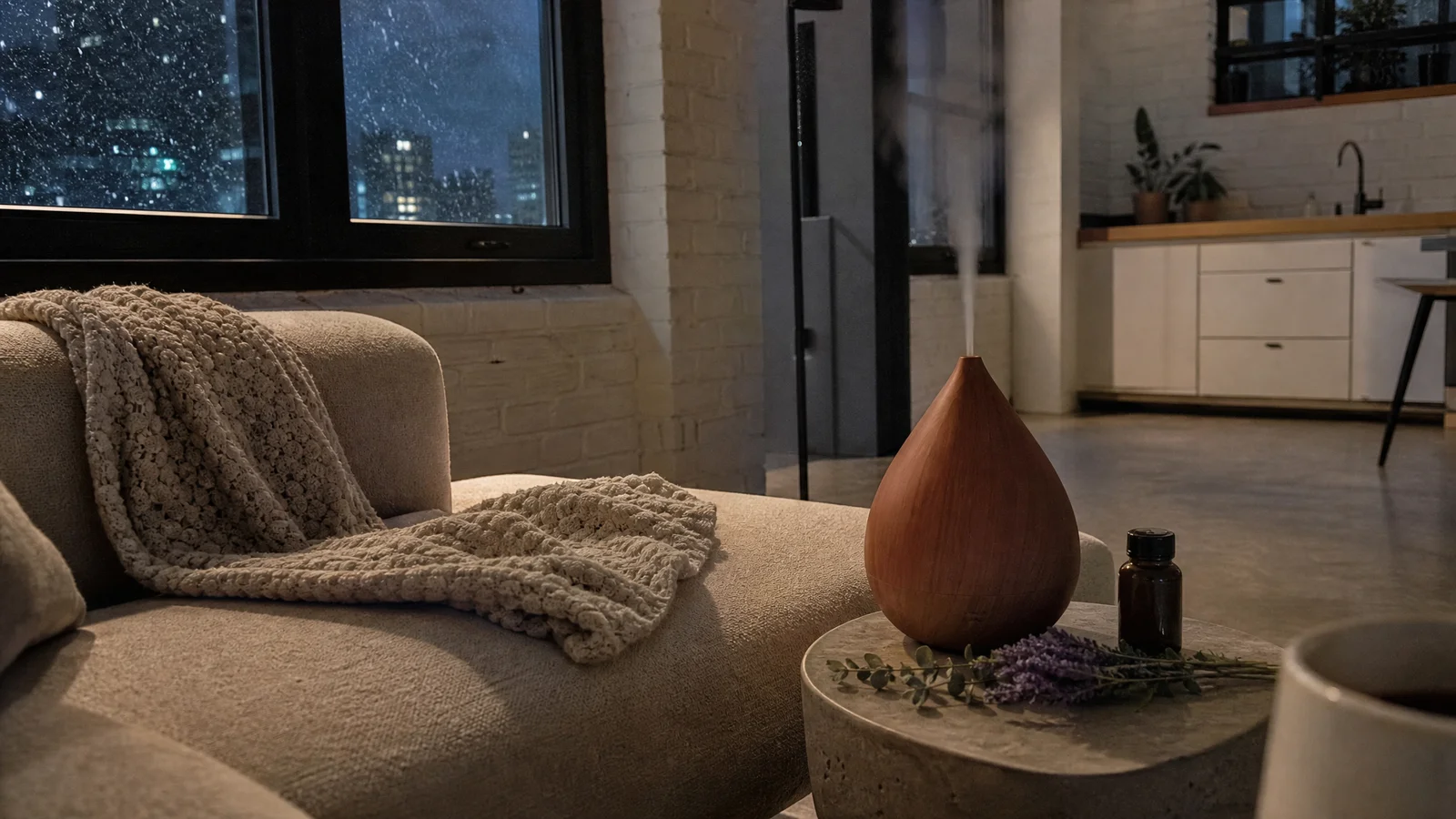
In July you can open a window and let a heavy scent drift out. In January the windows stay shut, the doors stay closed, and a big root oil like valerian has nowhere to go. That is the whole idea behind this post: a base note this strong behaves differently in a sealed winter room, and the sensible response is to use less of it.
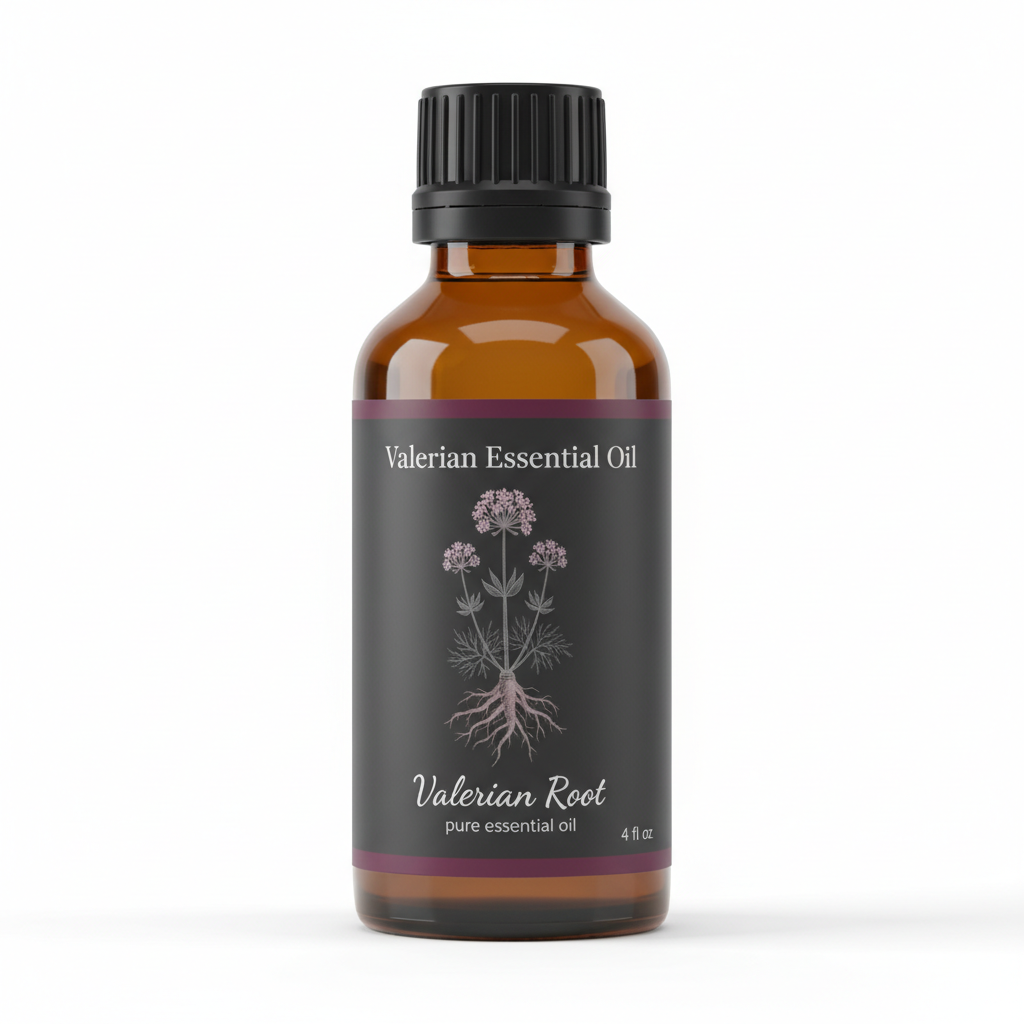
Valerian Root Essential Oil
Our own Valerian Root Essential Oil, in sizes from 0.5 oz to bulk.
From $31.99
Shop Now →Why a closed room holds on to scent
The US EPA explains that the rate at which outdoor air replaces indoor air is called the air exchange rate, and that when there is little infiltration or ventilation the rate is low and indoor pollutant levels can increase. That page is about indoor air in general and does not mention diffusers or essential oils, so what follows is our own reasoning from it: in winter, whatever you release into a room is cleared more slowly than in summer. A light citrus oil fades on its own. A heavy base note lingers, and the next session lands on top of the last one.
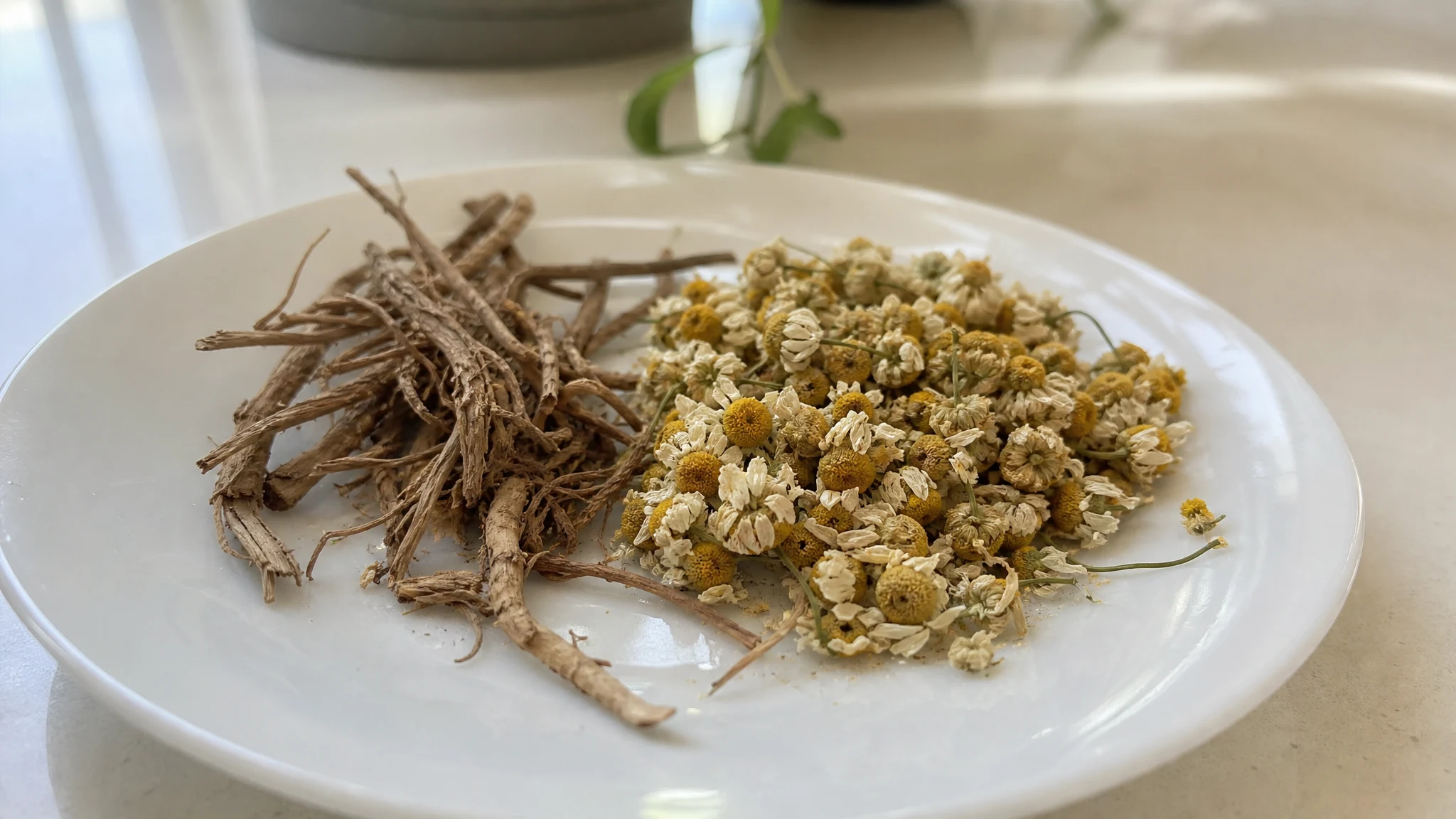
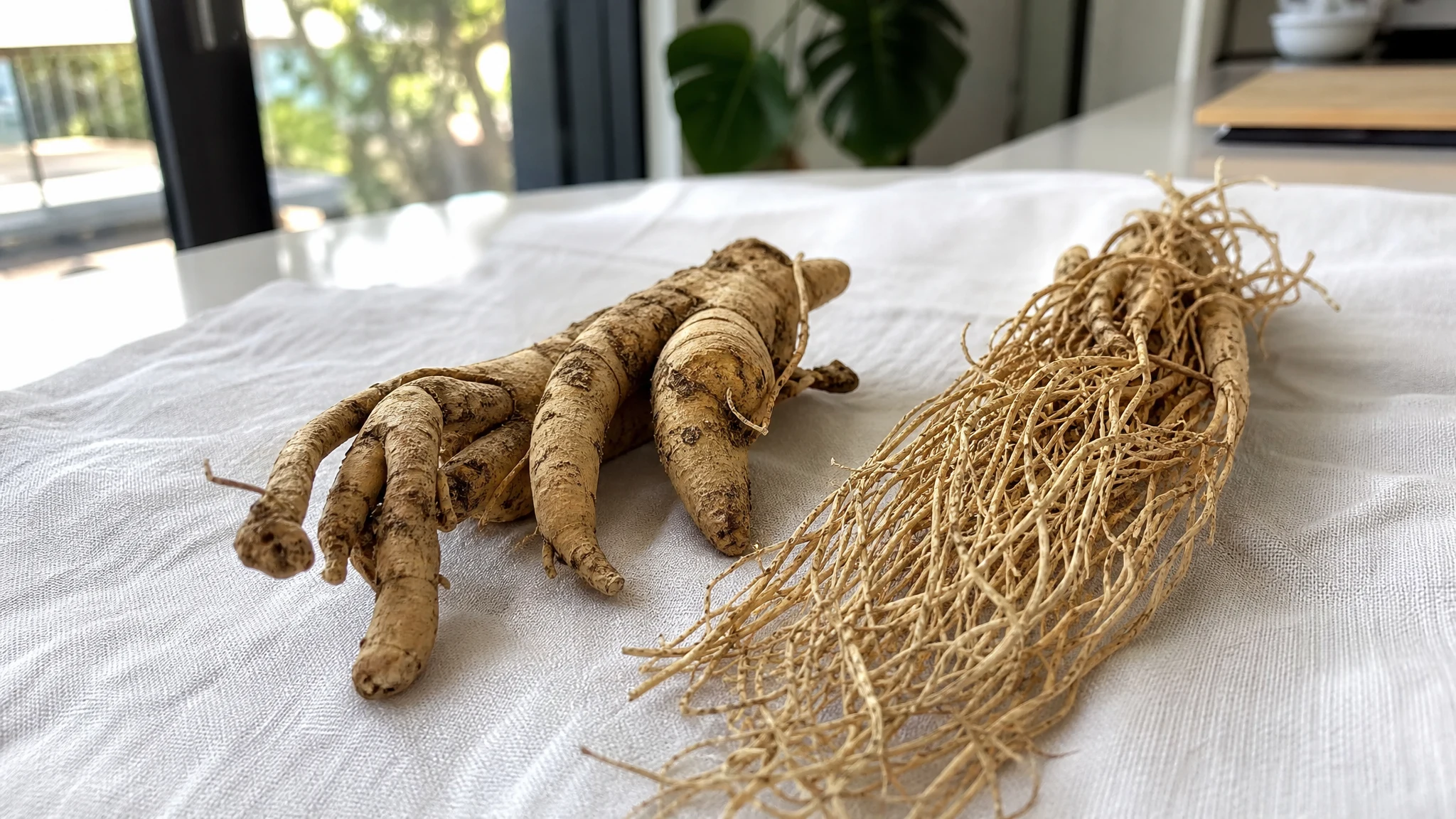
Valerian is about as heavy as base notes get. Our advice is to use it in traces in a blend rather than by the drop, because it will dominate anything it is put beside. In a shut-window room that advice matters even more.
One drop is a lot of oil
Here is the arithmetic. The batch on our Certificate of Analysis has a measured relative density of 0.947 at 20 C, so a millilitre weighs about 0.947 g. At the common rough figure of 20 drops to the millilitre, one drop is about 0.05 ml, or roughly 47 mg of oil. Droppers vary, so treat that as an estimate and weigh the oil if you need accuracy.
Forty-seven milligrams of a strong, musky, woodland-damp oil is plenty for a tank of water. Our suggestion for a first winter session is one drop of valerian, with the rest of the drops given to partners that give it company. We describe a whisper of valerian in an evening diffuser blend with lavender or cedarwood, and a simple starting point built on that is one drop of valerian to three of cedarwood. That is a suggestion, not a rule, and your nose can adjust it. We sell only valerian, so the cedarwood and lavender come from an aromatherapy or craft supplier.
The same arithmetic explains why small bottles suit this oil. A 0.5 oz bottle is about 14.8 ml, which is close to 300 drops at 20 per millilitre. If you use one drop at a time, that lasts a long winter. We go through the sizes in Best Valerian Oil Sizes: Why Small Bottles Win With This Root, and the equipment side is in Best Diffuser for Valerian Oil: Types, Cleaning, Cat Limits.
Let the room breathe
On a bright winter day, five minutes with a window open before and after a session does a surprising amount. Do not run one session straight after another; give the room time to clear. Coming in from the cold, your nose resets, and you will notice at once what is still hanging in the air. If you can still smell yesterday's session, skip today's. That simple habit costs nothing, and it is the best defence against a heavy root oil turning a cosy room into a stuffy one.
Who shares the room
Winter puts everyone closer together, so it is worth thinking about the other noses and paws in the house.
Cats. Cats are famously drawn to valerian, and we advise keeping the bottle sealed and well out of reach. The Merck Veterinary Manual notes that cats are more sensitive to essential oils than dogs because they are deficient in an enzyme called glucuronyl transferase. If you diffuse with a cat in the house, make sure the cat can leave the room, which is easy to forget when doors are shut against the cold. More in Valerian Oil and Cats: Why Felines Flip for This Root.
Shared spaces. Canada's occupational health agency lists headaches, dizziness and upper respiratory symptoms among the things some people report around scented products. A dense root oil is a good choice for your own living room and a poor one for an office or a house with housemates who have not agreed to it.
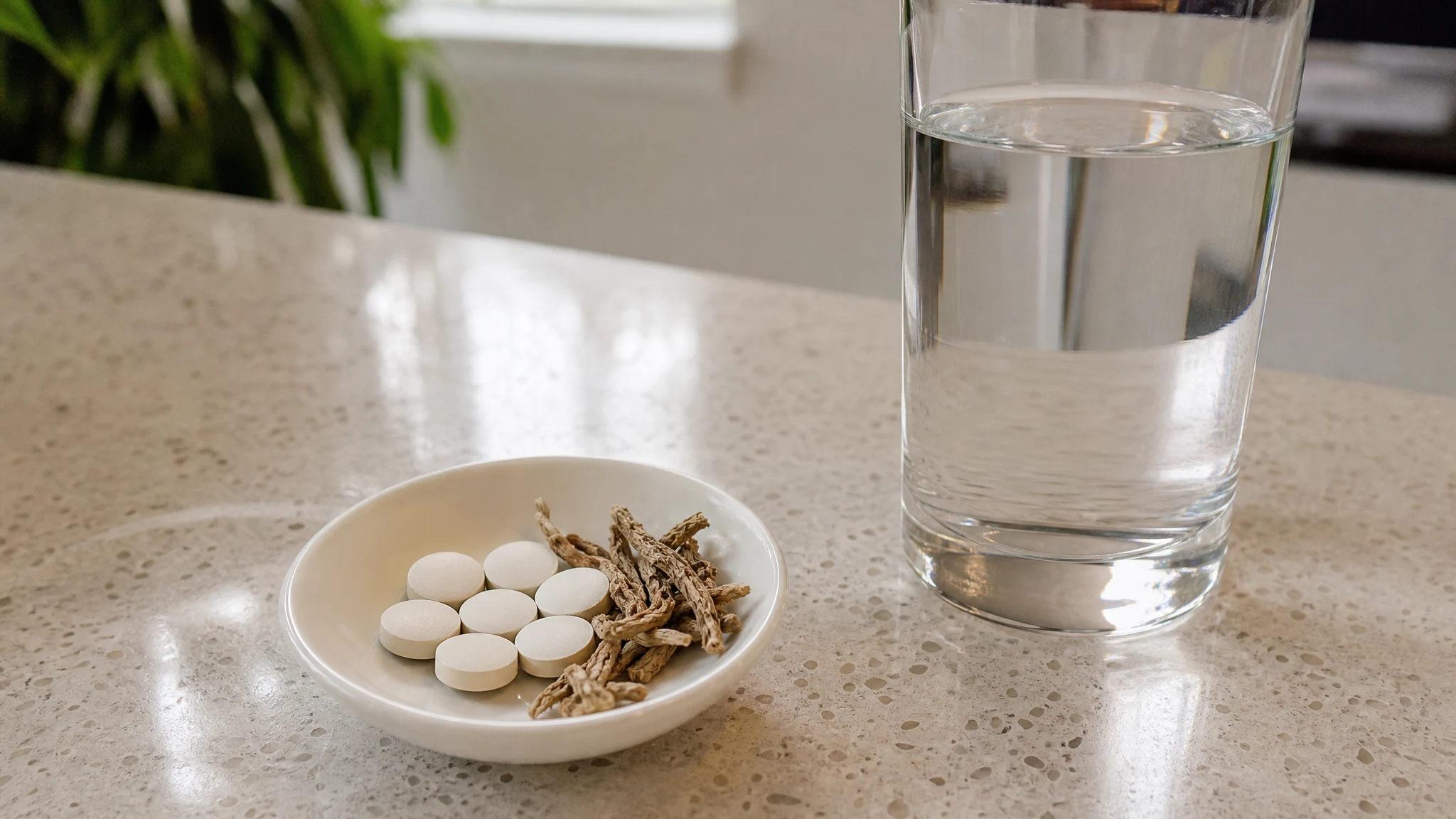
Pregnancy and medication. We advise avoiding valerian oil in pregnancy as a precaution and not combining it with sedative medication. The European Medicines Agency's draft monograph on the oil says safety during pregnancy and lactation has not been established. Your doctor, midwife or pharmacist is the right person to ask. Our pregnancy and breastfeeding post has the detail.
Using it on skin in cold weather
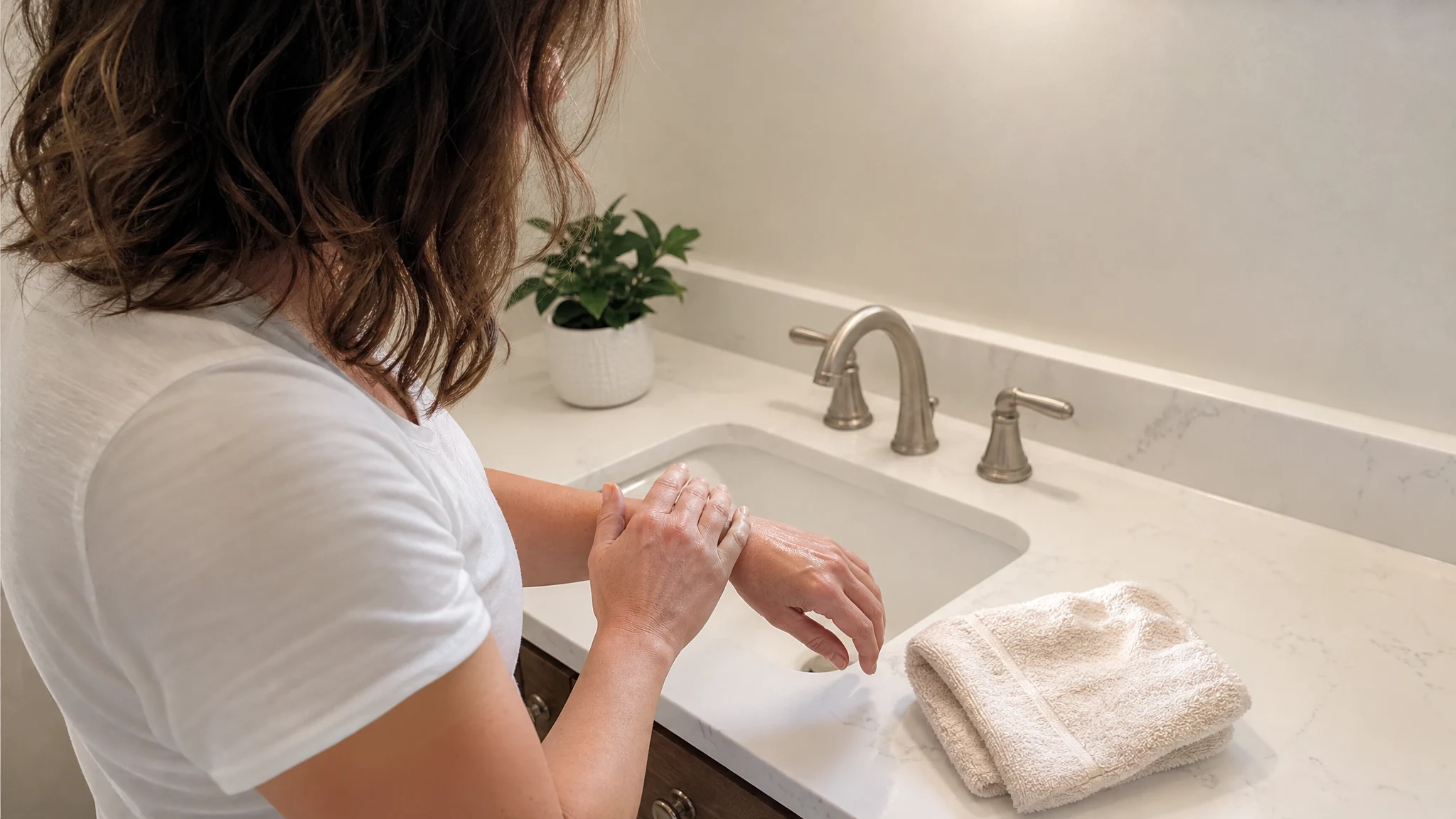
Our oil is sold neat, so any dilution is yours to calculate. Our skin guidance is 0.5% to 2% in a carrier oil, with a patch test first and a stop at any sign of irritation. It is for aromatic and cosmetic use only and never to be swallowed. Because it is concentrated, we would begin at the low end.
If you want ideas for putting it to work in a blend, Masking or Marrying? How to Pair Valerian's Aroma in Blends goes deeper, and What Does Valerian Essential Oil Smell Like? tells you what you are signing up for.
Winter is a good season for a dark, woody base note, as long as you let it be a whisper and keep the room open to the people and animals in it.
Valerian Root Essential Oil
Valerian Root Essential Oil from our own shop, in sizes from 0.5 oz to bulk.
From $31.99
Shop Now →Sources & Further Reading
- US EPA. Introduction to Indoor Air Quality
- Merck Veterinary Manual. Toxicoses From Essential Oils in Animals
- CCOHS. Scent-Free Policy for the Workplace
- European Medicines Agency, 2015. European Union herbal monograph on Valeriana officinalis L., aetheroleum (draft)