Valerian Diffuser Blends That Keep the Root in Check
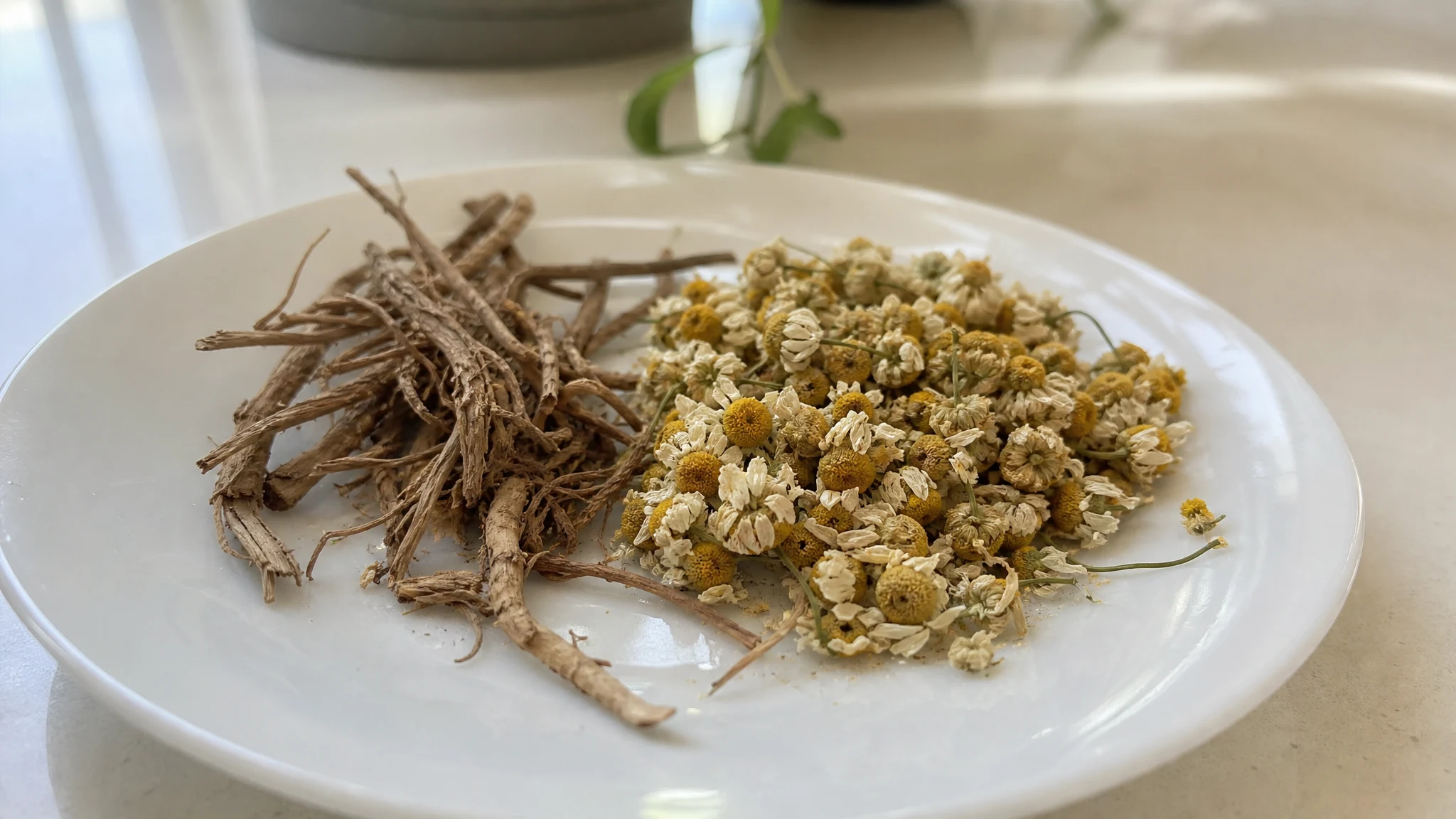
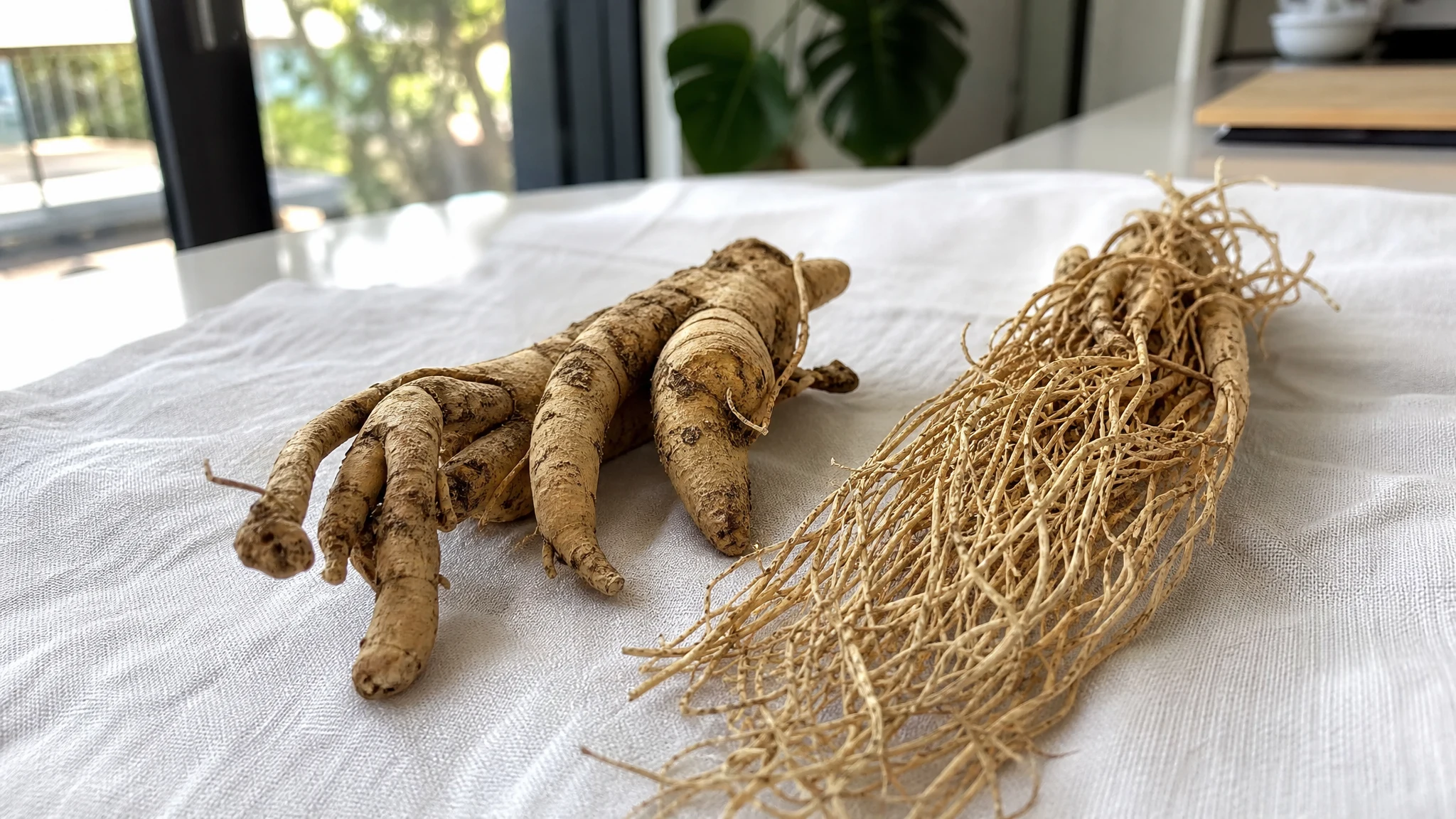
Valerian is the oil that walks into the room and takes the best chair. Earthy, musky and woodland-damp with a balsamic sweet finish, it rewards a light hand more than almost anything, and a diffuser is where a heavy hand shows up fastest.
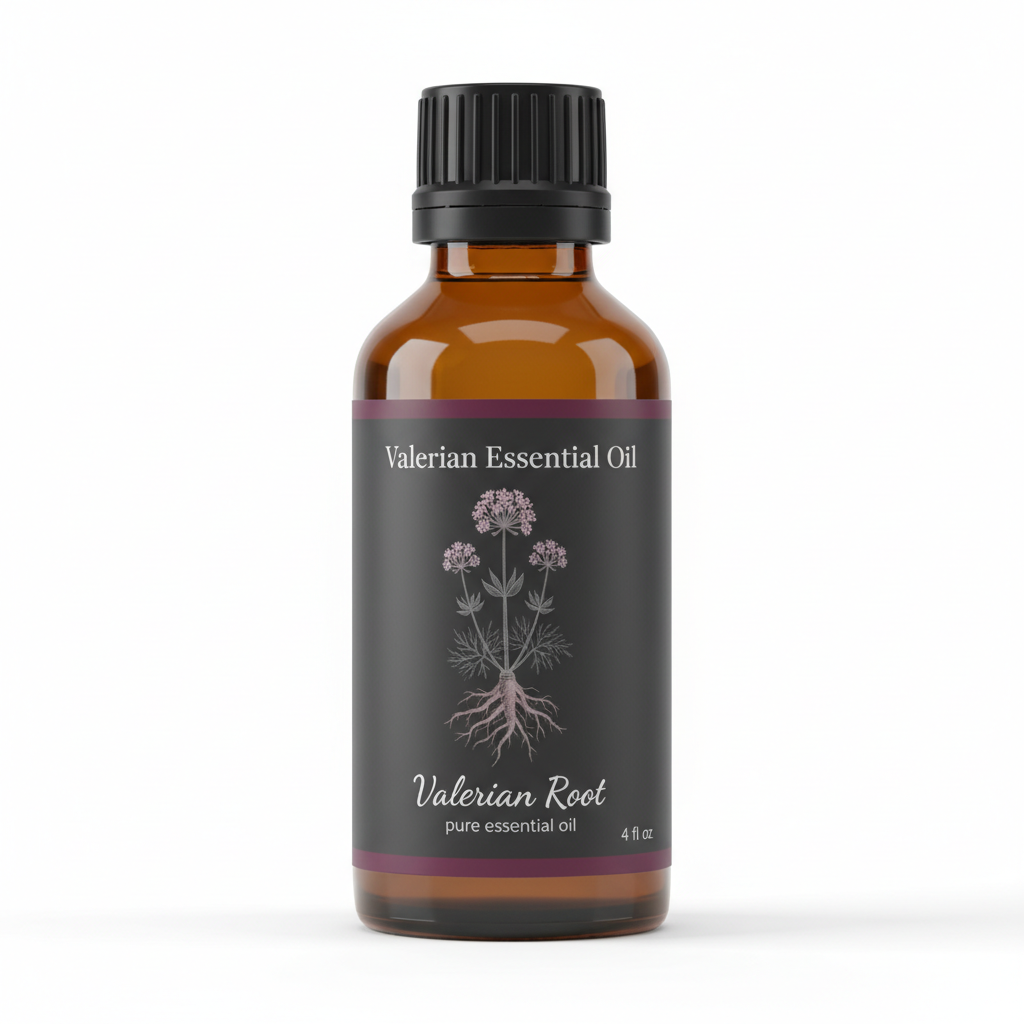
Valerian Root Essential Oil
Our own Valerian Root Essential Oil, in sizes from 0.5 oz to bulk.
From $31.99
Shop Now →Start with one drop
Diffuser makers usually suggest several drops of an ordinary oil per tank. For valerian we would start with a single drop in a typical tank, give it twenty minutes, and then walk back into the room with fresh nostrils. That is our suggestion rather than a manufacturer figure, and it comes from how the oil behaves: it is a base note, which means it lingers and deepens whatever sits beside it. You can always add a second drop next time. You cannot take one out of a tank that already smells like a root cellar.
It is also worth smelling the oil on a paper scent strip before it goes anywhere near a machine. Some people fall for it on the first sniff and some do not, and a strip settles the question for the cost of a single drop.
Partners that make sense of it
Our favorite way to think about valerian is as the shadow under a lighter oil. We find it blends well with patchouli, vetiver, cedarwood, lavender, oakmoss and clary sage, and perfumers have long reached for it the same way. Steffen Arctander, whose 1960 raw-materials reference is still a touchstone for natural perfumers, described its musky, woody, balsamic notes as interesting alongside patchouli, oakmoss and cedarwood derivatives, and noted that it blends well with pine materials and lavenders too.
Here are four pairings worked out on paper for a tank where the total is about six drops. They are formulations built from that perfumery logic and simple arithmetic, so treat them as starting points to adjust by nose:
- Wood and root: 1 valerian, 3 cedarwood, 2 vetiver. Everything leans woody, so the valerian reads as extra depth rather than a separate note.
- Floral lift: 1 valerian, 4 lavender, 1 clary sage. A bigger floral share keeps the root in the background. Use fewer lavender drops if you want to hear more of it.
- Forest floor: 1 valerian, 2 patchouli, 3 cedarwood. Two heavy partners make a dark, damp, mossy result.
- Simple and friendly: 1 valerian, 5 lavender. The easiest first blend if you are not sure.
We sell valerian only, so the partner oils come from an aromatherapy or craft supplier. If you want the longer logic of why some oils soften valerian and others compete with it, our piece on pairing valerian in blends goes further, and the perfumery side is in using the boldest base note.
Which machine, and how long
An ultrasonic diffuser, which mists oil and water together, is the sensible choice for a blend like these. Some nebulizing diffusers, which atomize oil on its own through narrow tubes, come with warnings. One maker's manual tells owners not to use thick oils such as patchouli, vetiver and sandalwood because they can dry in the tubes and clog them. Valerian is not named there, but several partners above are, so check your own unit's instructions first. Our guide to the best diffuser for valerian oil covers cleaning and tank care.
A plug-in timer is a good friend. Run the blend while you cook or tidy, then turn it off once the room smells the way you want it to. Strong aromas tire the nose quickly, so what seems faint after an hour may be considerably more than you meant.
Writing it down
Blends are easy to love and impossible to repeat if you only remember the feeling. Keep a card for each one: the date, the drop counts, the machine, and how the room smelled after twenty minutes and again after an hour. When you tweak, change only one drop at a time. After a few rounds you will see which partner you reach for most, and the cards become your own small recipe book.
It also helps to sniff the blend from the bottle cap before you load the tank. If the cap smells right, the room usually will; if it already smells like a root cellar, take a drop out first.
One more practical habit: rinse the tank and wipe the disc when you finish for the day, so the next blend starts clean and the old one does not haunt it. A root oil leaves a long memory behind, and a quick rinse keeps each blend honest.
Who shares the room
Cats and birds come first. The Merck Veterinary Manual notes that cats are more sensitive to essential oils than many animals and that active diffusers, nebulizing or ultrasonic, release microdroplets into the air, and the ASPCA does not recommend using essential oils where pets can reach them. Cats are famously drawn to the scent of valerian, so a cat may seek the room out rather than avoid it. If a cat or a bird lives with you, we would skip the diffuser for this oil. More on that in valerian oil and cats.
We also suggest avoiding valerian oil in pregnancy as a precaution and not combining it with sedative medication; if either applies, or you are diffusing near a baby, ask your doctor or pharmacist first. And remember that strong scents are not welcome to everyone, so a shared flat or office deserves a quick check with the people in it.
Pick one pairing, change only one thing at a time, and write down the drop counts you liked. A blend you can repeat is worth more than a clever one you cannot. If you diffuse it often, larger sizes are listed on our bulk page.
Valerian Root Essential Oil
Valerian Root Essential Oil from our own shop, in sizes from 0.5 oz to bulk.
From $31.99
Shop Now →Sources & Further Reading
- Arctander, S. Perfume and Flavor Materials of Natural Origin (1960), Valerian Oil monograph. archive.org
- Merck Veterinary Manual, Toxicoses From Essential Oils in Animals
- ASPCA, Pet Poisons: Be Mindful of these Household Products and Cleaning Agents
- Mobile-Mini, Wireless Rechargeable Nebulizing Diffuser user manual (December 2018)