Buying Valerian Oil: 5 Questions to Ask Any Seller
With lavender or peppermint there is a fairly well-worn idea of what a good bottle should smell like and contain. Valerian does not work that way. Two honest bottles of valerian root oil can differ a lot, which means the usual shortcut of "check it against the normal profile" has nothing to check against. What helps instead is knowing which few questions to ask, and what the answers can and cannot tell you.
Valerian Root Essential Oil
Our own Valerian Root Essential Oil, in sizes from 0.5 oz to bulk.
From $31.99
Shop Now →Start with the plant and the part
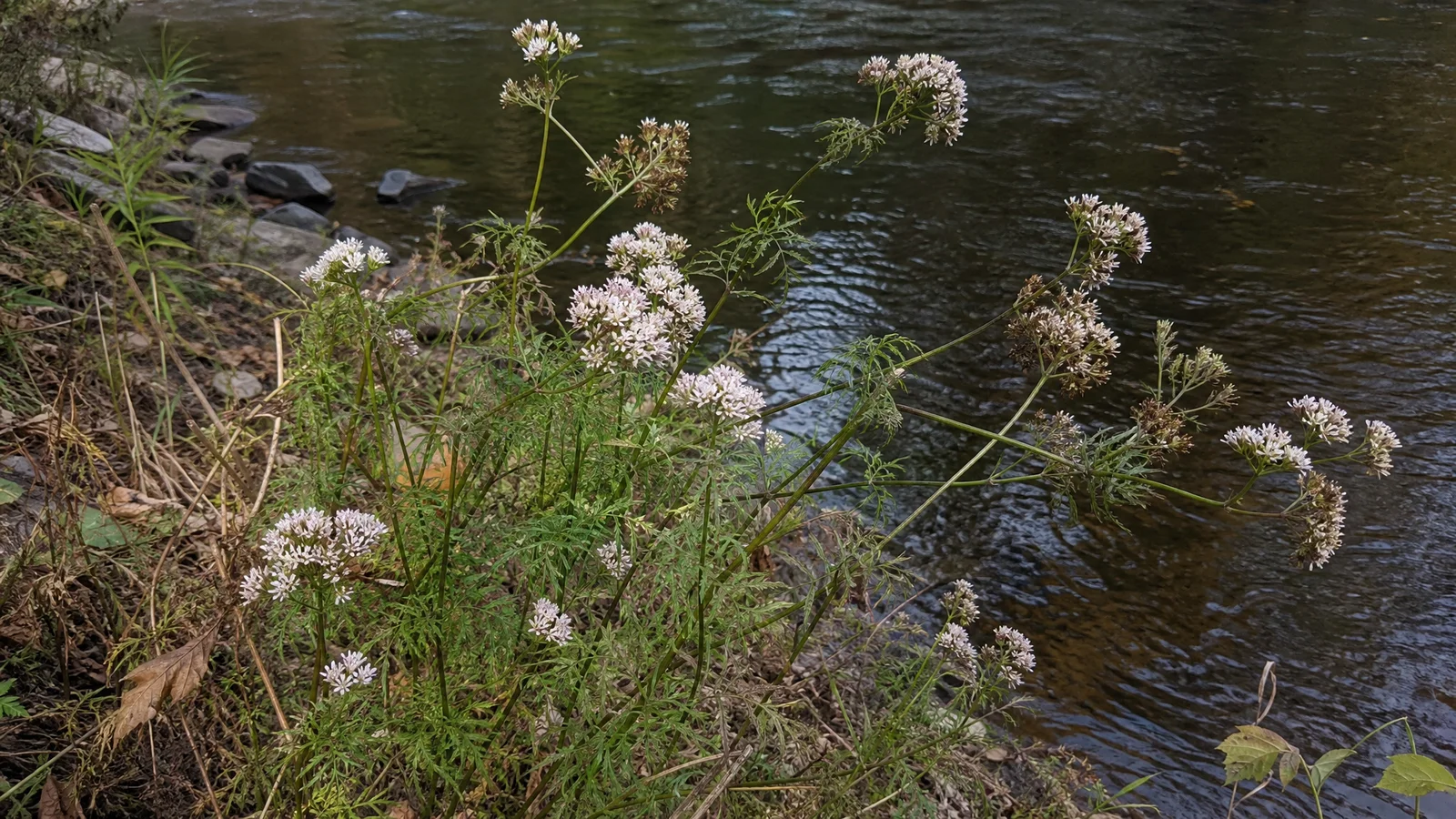
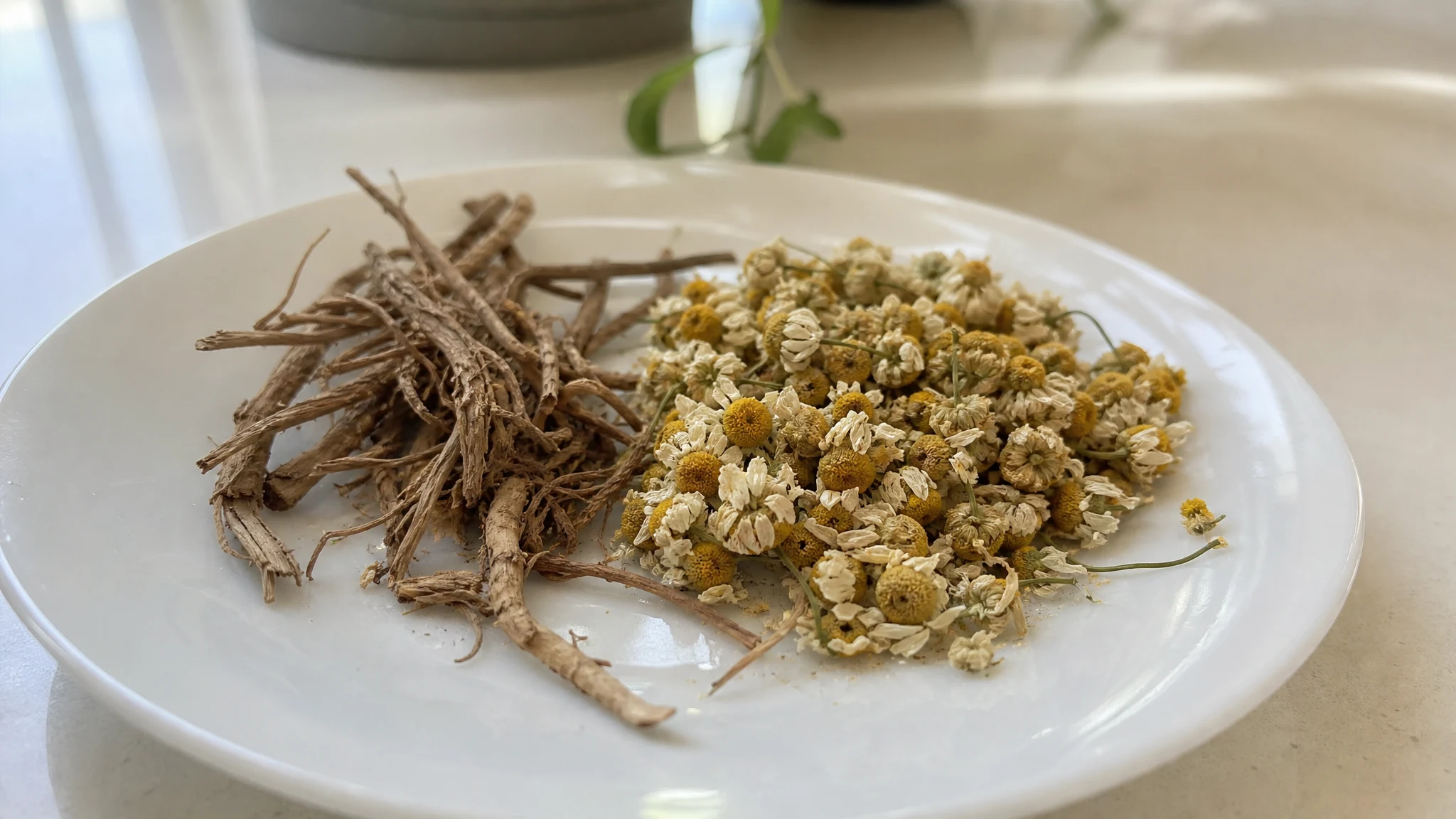
The botanical name to look for is Valeriana officinalis, with the plant part named. Our label and the Certificate of Analysis we publish both print that name, and the ingredient line on the certificate reads "Valeriana officinalis (Valerian) Root Oil". Our oil is steam-distilled from the dried root and rhizome. A label that says only "valerian oil" leaves room for another Valeriana species or for spikenard, a different plant that shares valerian's deep, earthy character; our comparison of valerian and spikenard sorts out the two, and types of valerian oil covers the species.
Make sure it is an essential oil
Some bottles borrow the name. A fragrance oil is a manufactured scent, and a "valerian root oil" can also be root soaked in a carrier oil. The ingredient line settles it, and so does the extraction method. Our post on fragrance oils and what labels hide goes deeper, and if what you actually want is a supplement, this is the wrong aisle entirely. We sell an aromatic oil for external, cosmetic use.
Why there is no single correct profile
Here is the part that surprises people. In a laboratory study of five Estonian valerian root samples, each distilled the same way, the amount of oil recovered ranged from 0.28% to 1.16% of the root, and the share of bornyl acetate, one of the main components, ran from 8.8% to 33.7%. Valerenal ranged from a trace to 14.7% and valerianol from 0.3% to 16.7%. The European Medicines Agency's assessment says the same thing in a sentence: the oil's composition is variable, depending on the origin.
Processing matters too. Researchers who compared oil from fresh and dried valerian roots found 13.0% free isovaleric acid in the dried-root oil and 0.2% in the fresh-root oil. That is a big swing in one component, so drying and distillation choices can change the character of the oil before any bottle is filled.
This is not a flaw in valerian. It is why the useful question is never "is this the right percentage" but "what is in this batch, and can I see the paperwork for it."
What paperwork can and cannot show
The certificate we publish covers one batch. It lists a relative density of 0.947, a refractive index of 1.473 and an optical rotation of minus 19.80 degrees, all at 20 C and each inside the standard range printed beside it, plus the best-by date of 04/30/2028. It does not include a GC-MS profile or constituent percentages. Our walk-through, reading the certificate, goes line by line.
Even a full GC-MS report is not a guarantee. A University of Turin team built reference profiles from genuine lavender, lemon and tea tree oils, then adulterated them. Standard GC-MS percentages stayed close to the limits after synthetic additions, and chiral analysis or absolute quantitation was needed to expose the changes. That work was on other oils, so applying it to valerian is our reasoning rather than a finding. The takeaway is still useful: a report is stronger when it names its method, laboratory, date and batch.
Questions to put to any seller
- What is the Latin name, and which plant part was distilled?
- Which batch will I receive, and is the paperwork for that batch?
- Does the report show constituents, or only physical constants?
- Is the oil sold neat? (Ours is, so the dilution maths is yours.)
- If I need a GC-MS report, an allergen declaration, an IFRA certificate or a safety data sheet, will you provide it in writing before I order?
If you need any of those for a product you plan to sell, ask us in writing through the contact page for the lot you will receive, and rely on the written answer rather than a conversation.
When the bottle arrives
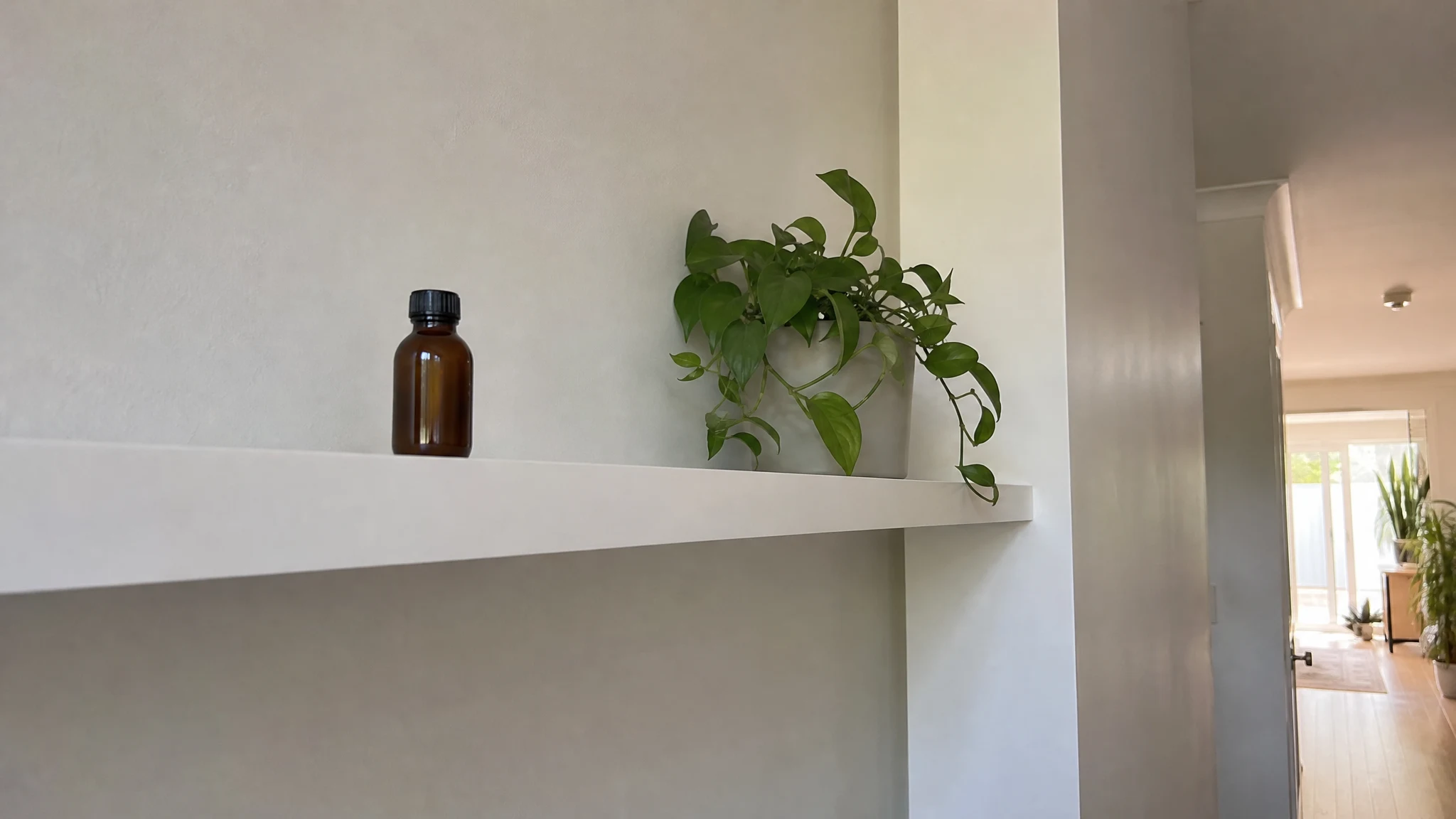
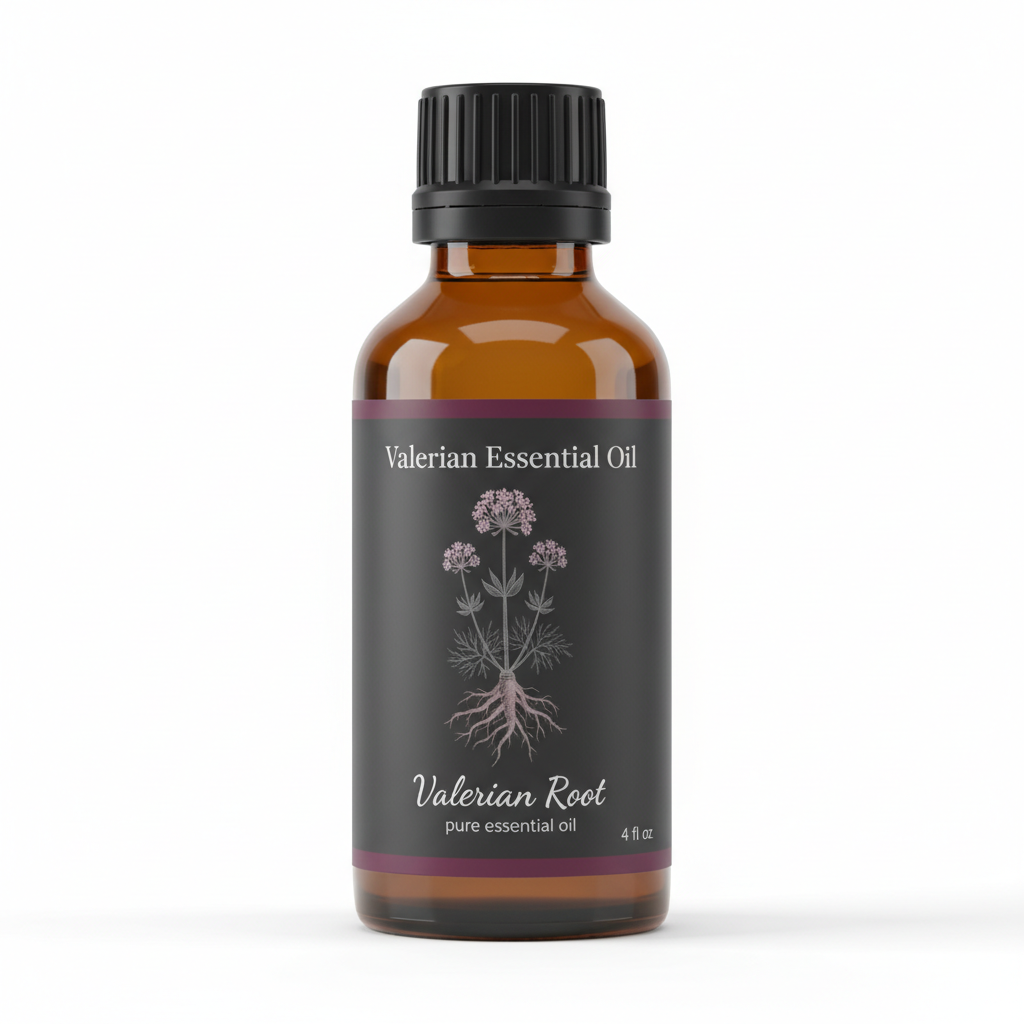
Open it once, away from your face, and take a single slow breath. Valerian is not a shy oil, so you will know within moments whether it is your kind of scent. Then read the label: the name, the Latin name and the size should all match what you ordered. Ours is an amber glass bottle with a black cap and a black label that reads Valerian Root and Valeriana officinalis, with a small drawing of the plant and its root.
Put the cap back on firmly and keep the bottle upright in a cool, dark cabinet, out of reach of children and cats. Cats in particular are famously drawn to this scent, so a high, closed shelf is the right home for it. Keep a copy of whatever any seller sends you in writing, filed with the order date. You will be glad of it later.
Choosing a size
We suggest the smallest size first. Valerian is used in traces, so a little goes a long way, and the smell is genuinely divisive: it is worth finding out which camp you are in before committing. All nine of our sizes, from 0.5 oz up to 400 lb, are drawn from the same standard batch, and our guide to valerian oil sizes helps you pick. For volume buyers, the wholesale page is the place to ask about samples.
A good valerian purchase is less about a perfect number than about a seller who tells you plainly what the paperwork covers. That is the standard we try to hold ourselves to.
Valerian Root Essential Oil
Valerian Root Essential Oil from our own shop, in sizes from 0.5 oz to bulk.
From $31.99
Shop Now →Sources & Further Reading
- Raal A, et al., 2007. Variation in the composition of the essential oil of Valeriana officinalis L. roots from Estonia. Proc Estonian Acad Sci Chem.
- Lopes D, Strobl H, Kolodziejczyk P, 2005. Influence of Drying and Distilling Procedures on the Chemical Composition of Valerian Oil (Valeriana officinalis L.). J Essent Oil Bear Plants (abstract via OpenAlex).
- Capetti F, et al., 2021. Adulteration of Essential Oils: A Multitask Issue for Quality Control. Three Case Studies: Lavandula angustifolia Mill., Citrus limon (L.) Osbeck and Melaleuca alternifolia (Maiden & Betche) Cheel. Molecules.
- EMA/HMPC, 2016. Assessment report on Valeriana officinalis L., radix and Valeriana officinalis L., aetheroleum (EMA/HMPC/150846/2015).