Valerian vs Jatamansi vs Spikenard: Read the Latin Name
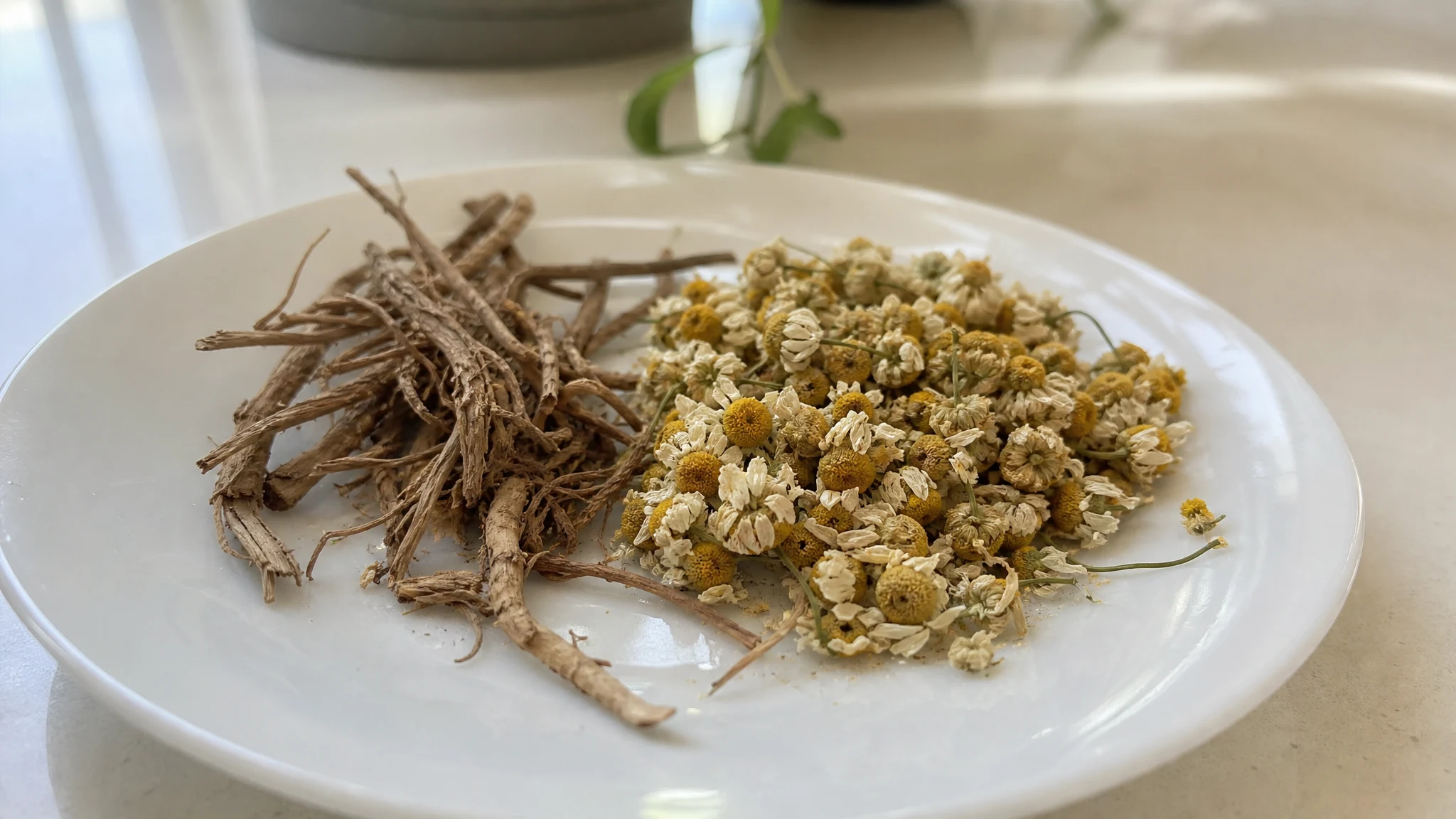
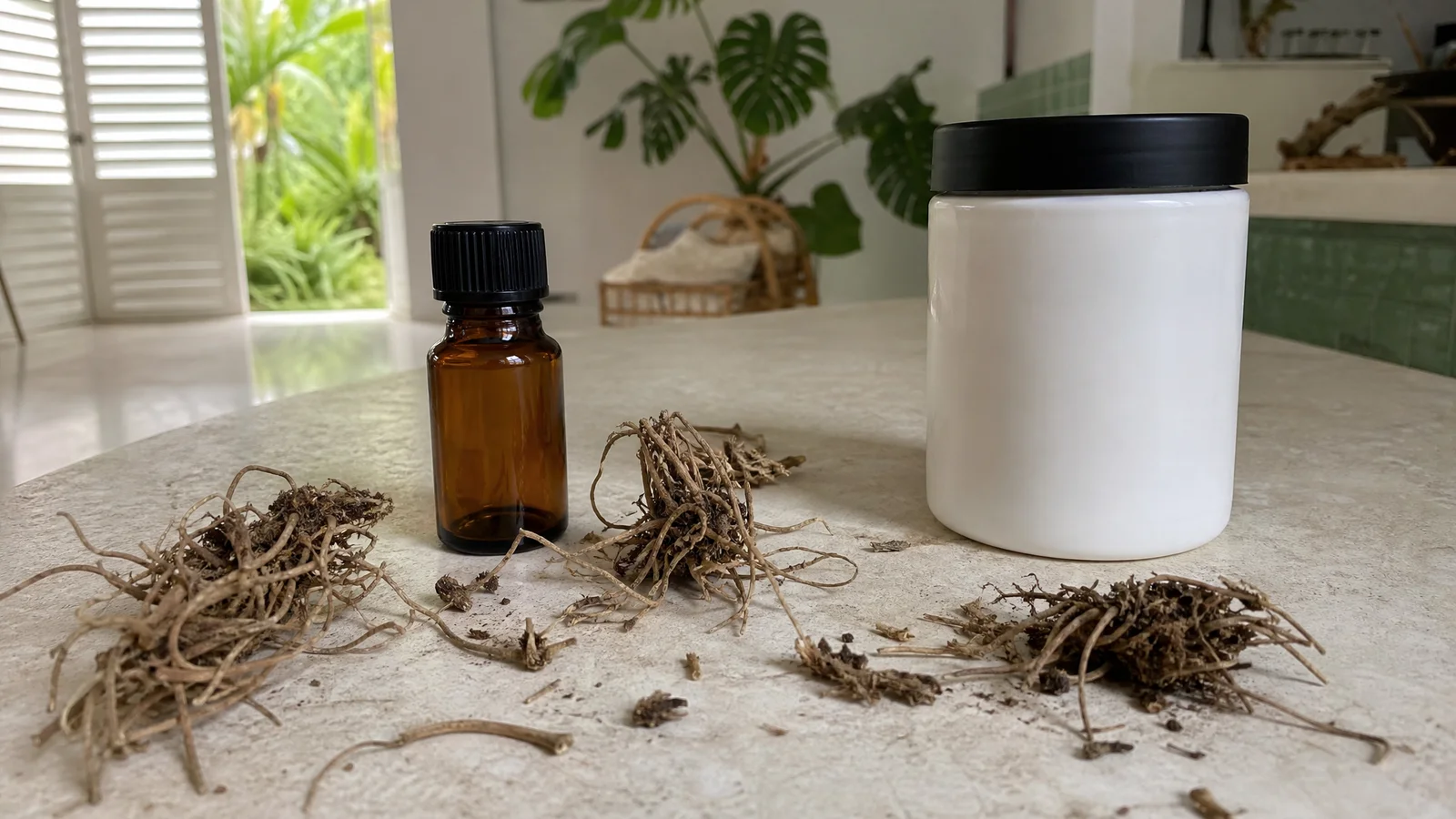
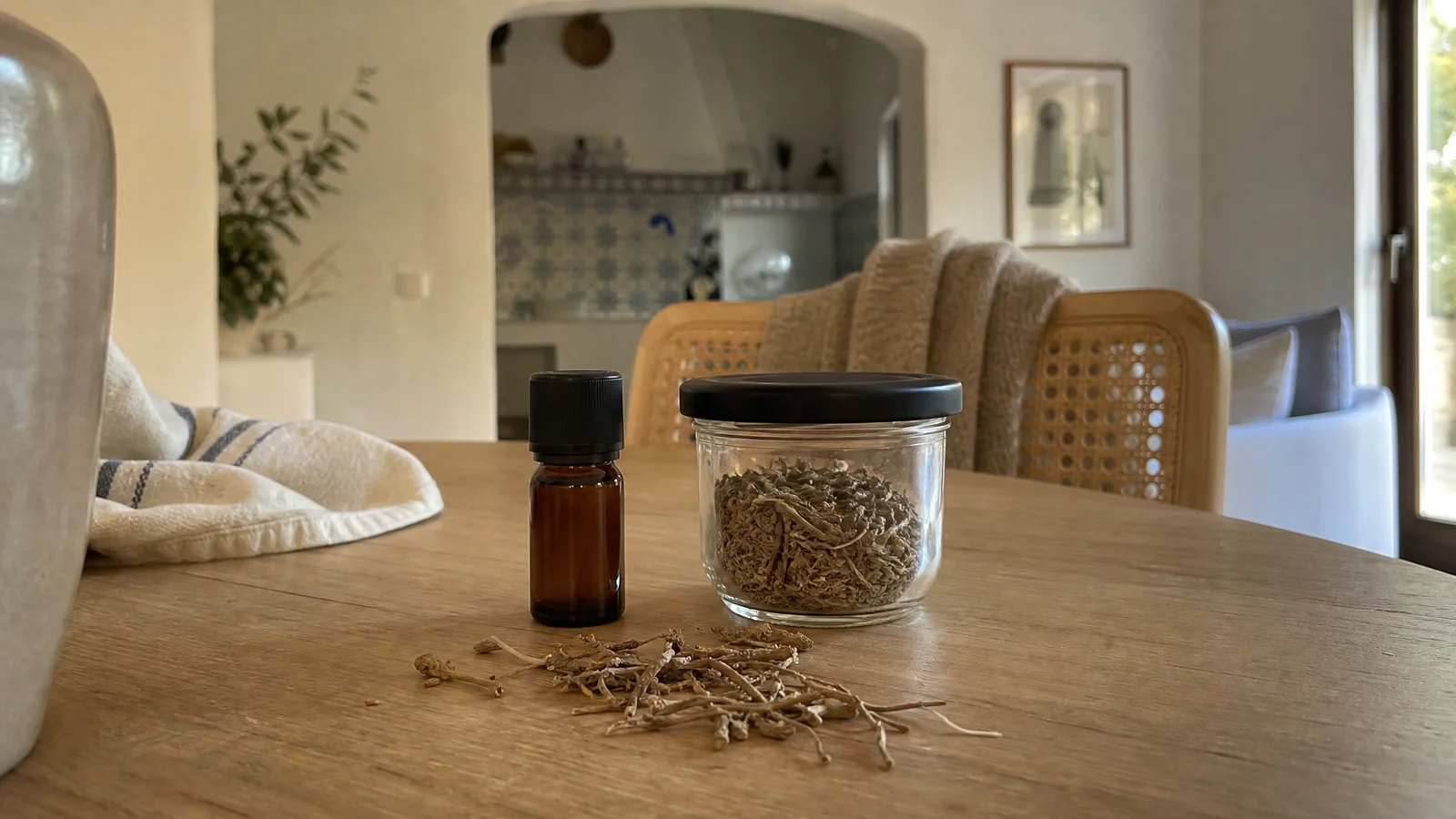
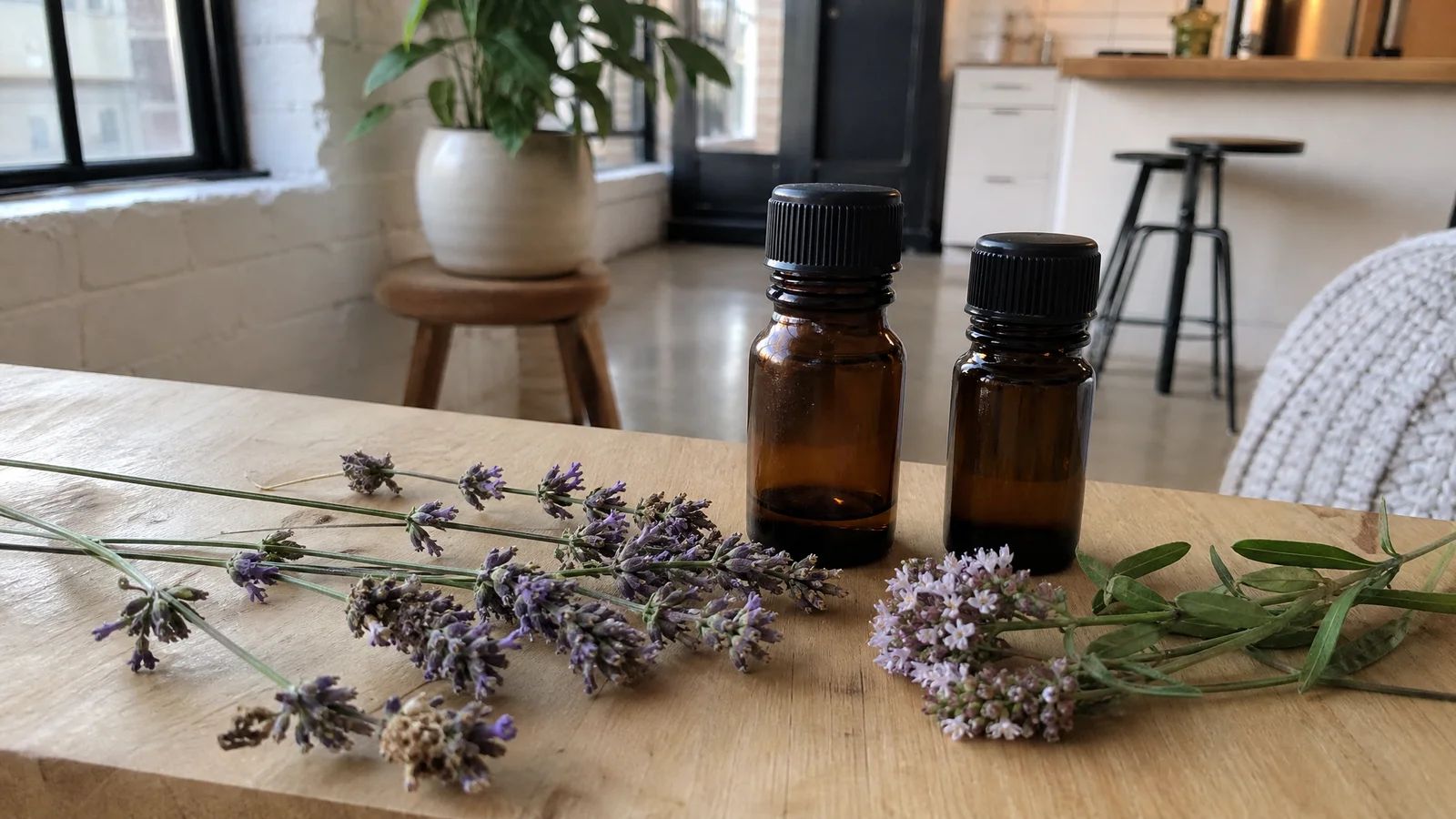
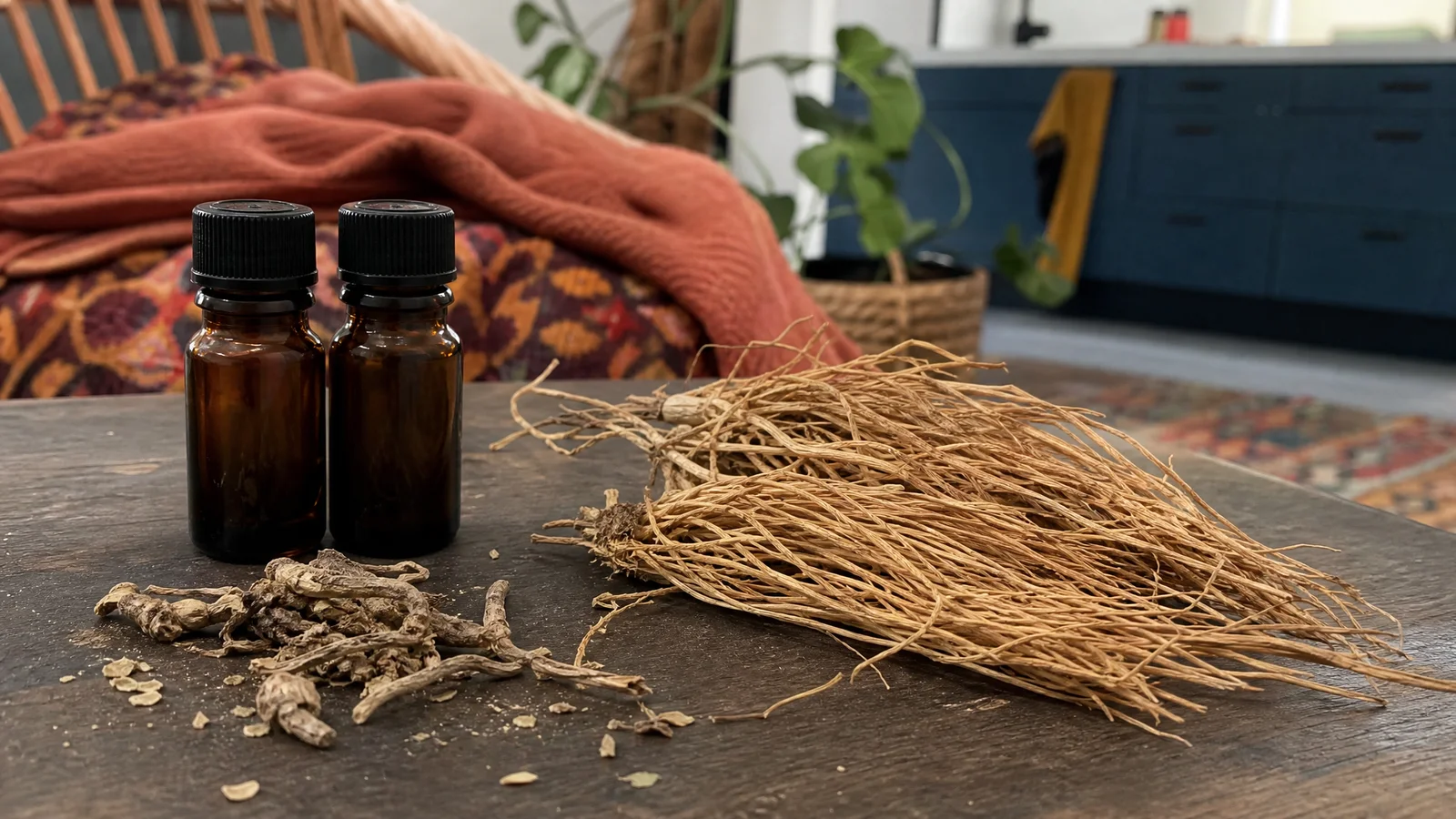
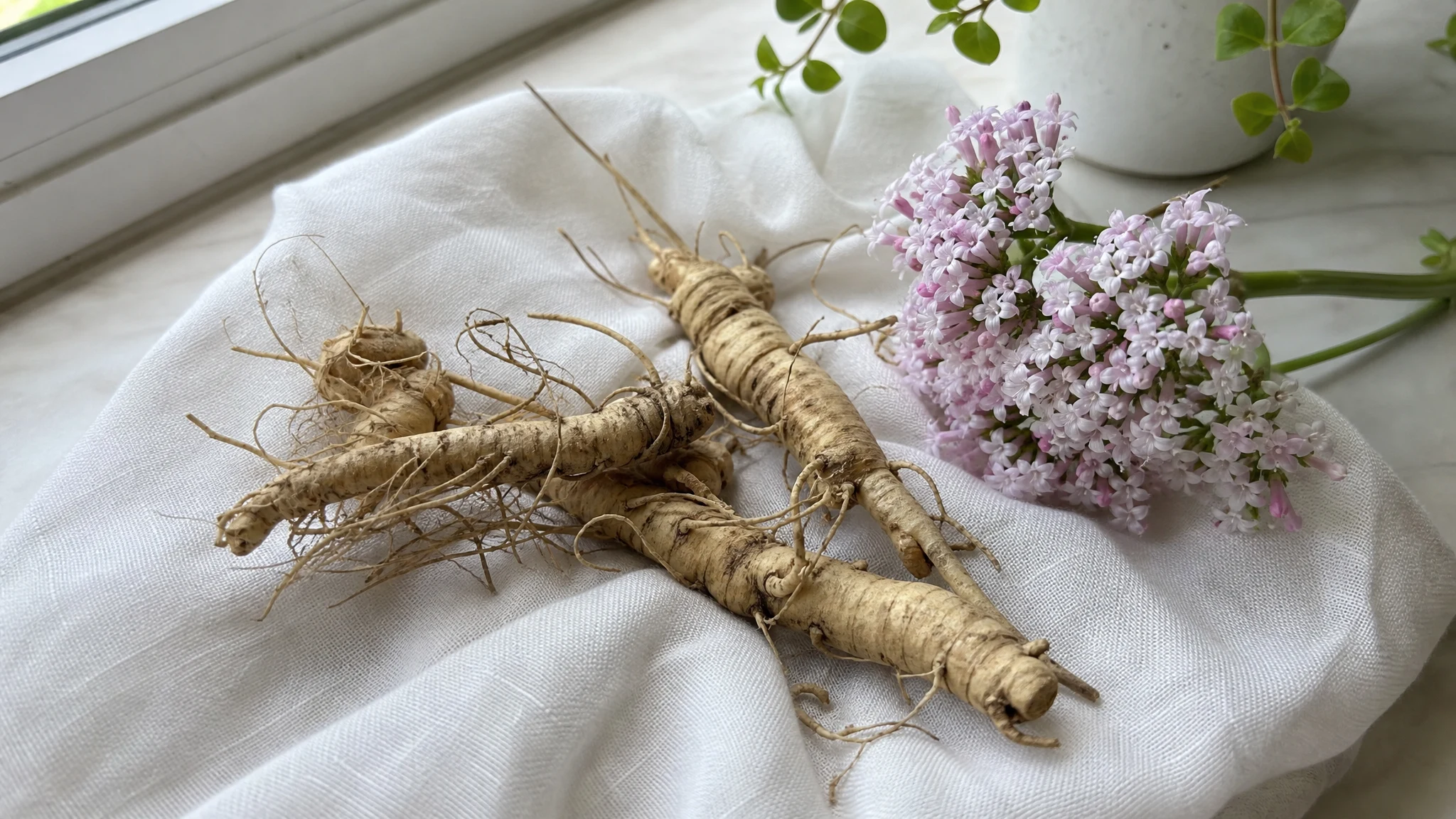
Walk through a list of oils sold as "valerian" or "jatamansi" and you may be looking at three different plants. Valeriana officinalis is the common garden and herbal valerian. Valeriana jatamansi is a Himalayan relative. Spikenard, Nardostachys jatamansi, is not a Valeriana at all, though its name sounds like one. The reliable way to tell them apart is the full Latin name plus the plant part, so that is where we start.
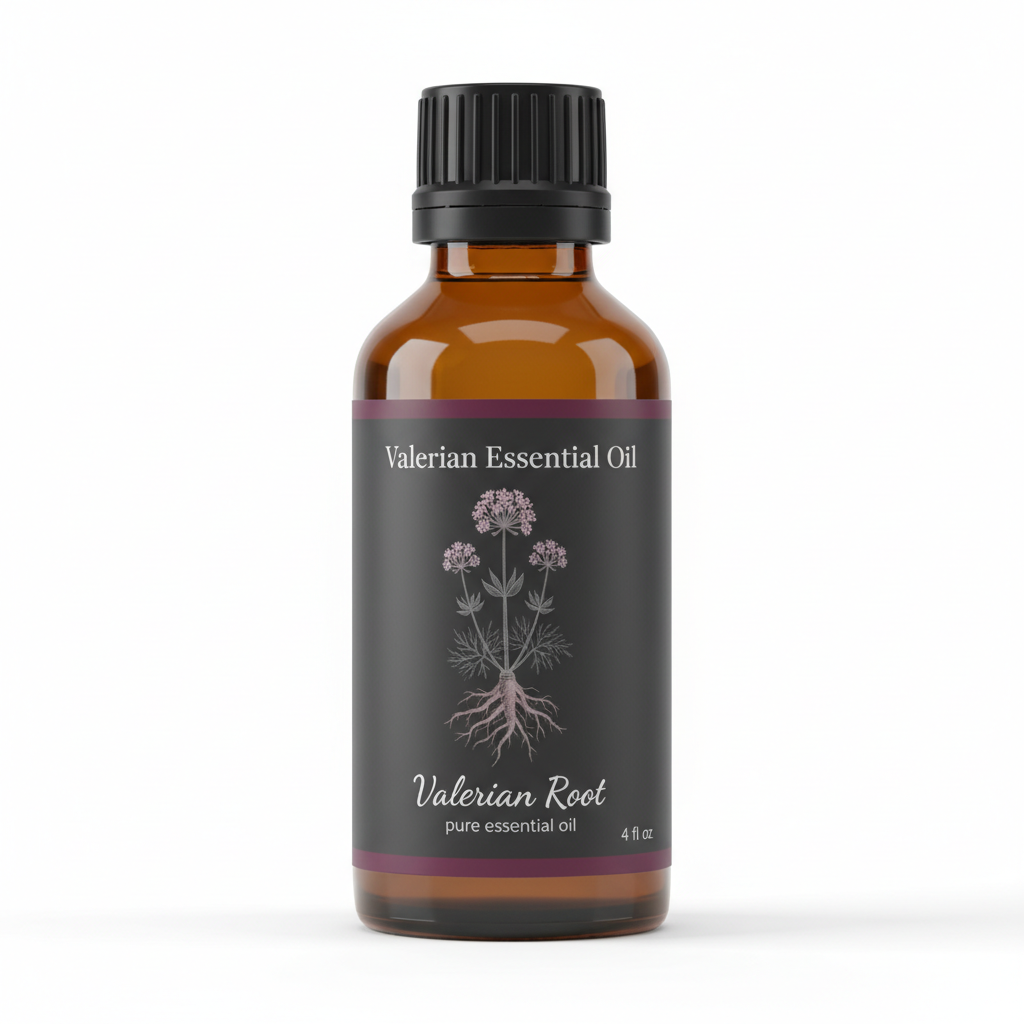
Valerian Root Essential Oil
Our own Valerian Root Essential Oil, in sizes from 0.5 oz to bulk.
From $31.99
Shop Now →Reading the label
The word "jatamansi" sits in two accepted botanical names. In the GBIF taxonomic backbone, Valeriana jatamansi Jones is an accepted species, and so is Nardostachys jatamansi (D.Don) DC. in its own genus. Valeriana officinalis L. is accepted too. All three are filed in the same plant family there, which is partly why the names get tangled. Names in older papers may differ, so check a current source if it matters for paperwork.
A bottle that says only "jatamansi" or "Indian valerian" has not told you which plant it contains. Ask for the full Latin name, the plant part and the extraction method before you buy. If you are buying for a product you will sell, ask for those in writing.
Valerian root oil is not one fixed thing
Even inside Valeriana officinalis, no two roots give the same oil. A study of five Estonian root samples distilled in a laboratory found bornyl acetate anywhere from 8.8% to 33.7% of the oil, valerianol from 0.3% to 16.7%, and valerenal from a trace to 14.7%. The oil yield from the cut root ranged from 0.28% to 1.16%. These are figures for those five samples, not for any bottle you can buy, but they show why "valerian oil" is better understood as a family of closely related oils than as a single recipe. We take the same chemistry further in Valerenic Notes.
Why the confusion lasts
Part of the reason these names stay tangled is that they sound alike, and shop shelves reward short, catchy names rather than long botanical ones. "Jatamansi" is easier to say than Nardostachys jatamansi, so it ends up on the front of the bottle while the real information sits in small print, if it appears at all. Reading the small print is the whole skill.
Why spikenard is a sourcing question
Spikenard has a story of its own. A 2025 field study in Bhutan's Sakteng Wildlife Sanctuary describes Nardostachys jatamansi as listed in CITES Appendix II and as Critically Endangered on the IUCN Red List. That study is about the plant in its habitat, not about oil, but it is a good reason to check current listings and paperwork before buying or importing any spikenard material. We do not sell spikenard; our valerian and spikenard comparison covers how the two relate.
Where our oil sits
We sell one valerian oil, a steam-distilled valerian root oil. The label on our bottle and the Certificate of Analysis for one batch both print Valeriana officinalis, and that is the name to quote when you ask us for paperwork. The certificate reports three measured physical values for that batch: relative density 0.947 at 20 C, refractive index 1.473 and optical rotation -19.80 degrees, each inside the range printed beside it.
That is what it shows. It has no GC-MS report, so it gives no compound percentages, and physical constants alone cannot tell one Valeriana species from another. If your formulation or label depends on species or composition, ask us in writing through the contact page for the lot you will receive before you order, and rely on what you have in writing. The same goes for an allergen declaration, an IFRA certificate or a safety data sheet. Our guide to reading the certificate walks through the page.
A habit worth building
Once you start reading Latin names, you will find it hard to stop, and that is a good thing. It takes about ten seconds: find the genus and species, then the plant part. If either is missing, treat the listing as unfinished and ask. Sellers who know what they are bottling can answer in one line, and a question like this tells you a lot about how a supplier thinks.
It also helps to keep a small note of the names you have met. A line such as "Valeriana officinalis, root, steam distilled" is easy to compare against the next label you come across, and it turns a confusing shelf of near-identical words into a short, readable list.
A short buyer's checklist
- The full Latin name with its authority (L. for officinalis, Jones or DC. for the others) and the plant part: root, rhizome or both.
- The extraction method. Steam distillation gives an essential oil; solvent extracts are absolutes or resinoids, a different category.
- Whether a GC-MS report exists for the lot you are buying, and which laboratory ran it.
- For spikenard, the CITES paperwork route for your country.
Our buying guide and the post on root oil versus essential oil cover the rest of the vocabulary.
If you are shopping for a project rather than out of curiosity, send your questions in one short message, keep the reply, and file it with your notes for that bottle. Future you will be glad of it, and so will anyone you share the recipe with. It is a small bit of housekeeping that makes the whole hobby feel more grown-up.
Three plants, one confusing word: the Latin name is the part that does not change, so make it the first thing you read.
Valerian Root Essential Oil
Valerian Root Essential Oil from our own shop, in sizes from 0.5 oz to bulk.
From $31.99
Shop Now →Sources & Further Reading
- GBIF Secretariat. GBIF species match service for Valeriana officinalis, Valeriana jatamansi and Nardostachys jatamansi. api.gbif.org
- Raal A, Orav A, Arak E, Kailas T, Muurisepp M, 2007. Variation in the composition of the essential oil of Valeriana officinalis L. roots from Estonia. Proceedings of the Estonian Academy of Sciences, Chemistry 56(2):67-74.
- Phuntsho et al., 2025. Potential distribution, habitat composition, preference and threats to Spikenard Nardostachys jatamansi (D.Don) DC. in Sakteng Wildlife Sanctuary, Trashigang, Bhutan. Journal of Threatened Taxa.