Valerian vs Vetiver: Two Root Oils Compared
Valerian and vetiver both come from underground, both smell of earth, and both end up in the base of a perfume. Stand them side by side on a blotter strip, though, and they behave like two very different characters: one is a sweet, deep-woods hush, the other is a musky, animalic whisper.
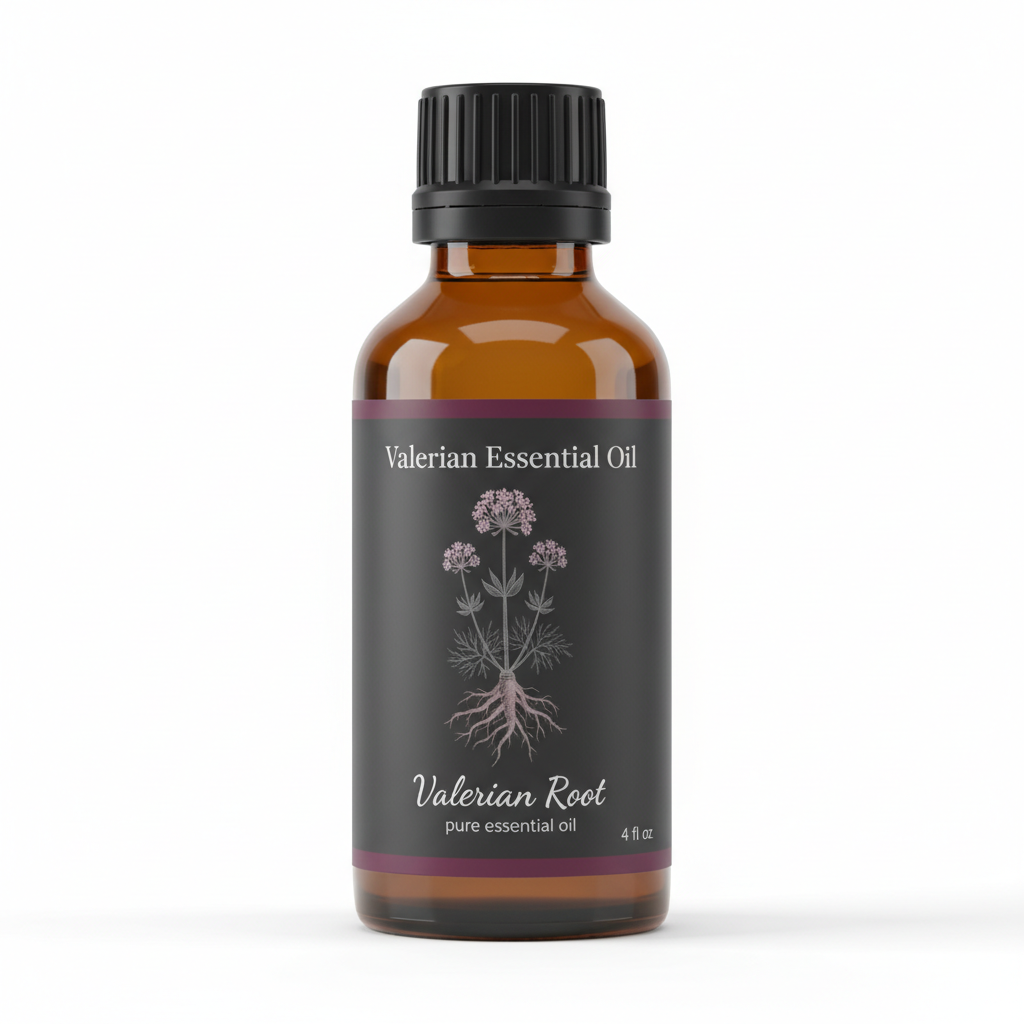
Valerian Root Essential Oil
Our own Valerian Root Essential Oil, in sizes from 0.5 oz to bulk.
From $31.99
Shop Now →Different plants, different roots
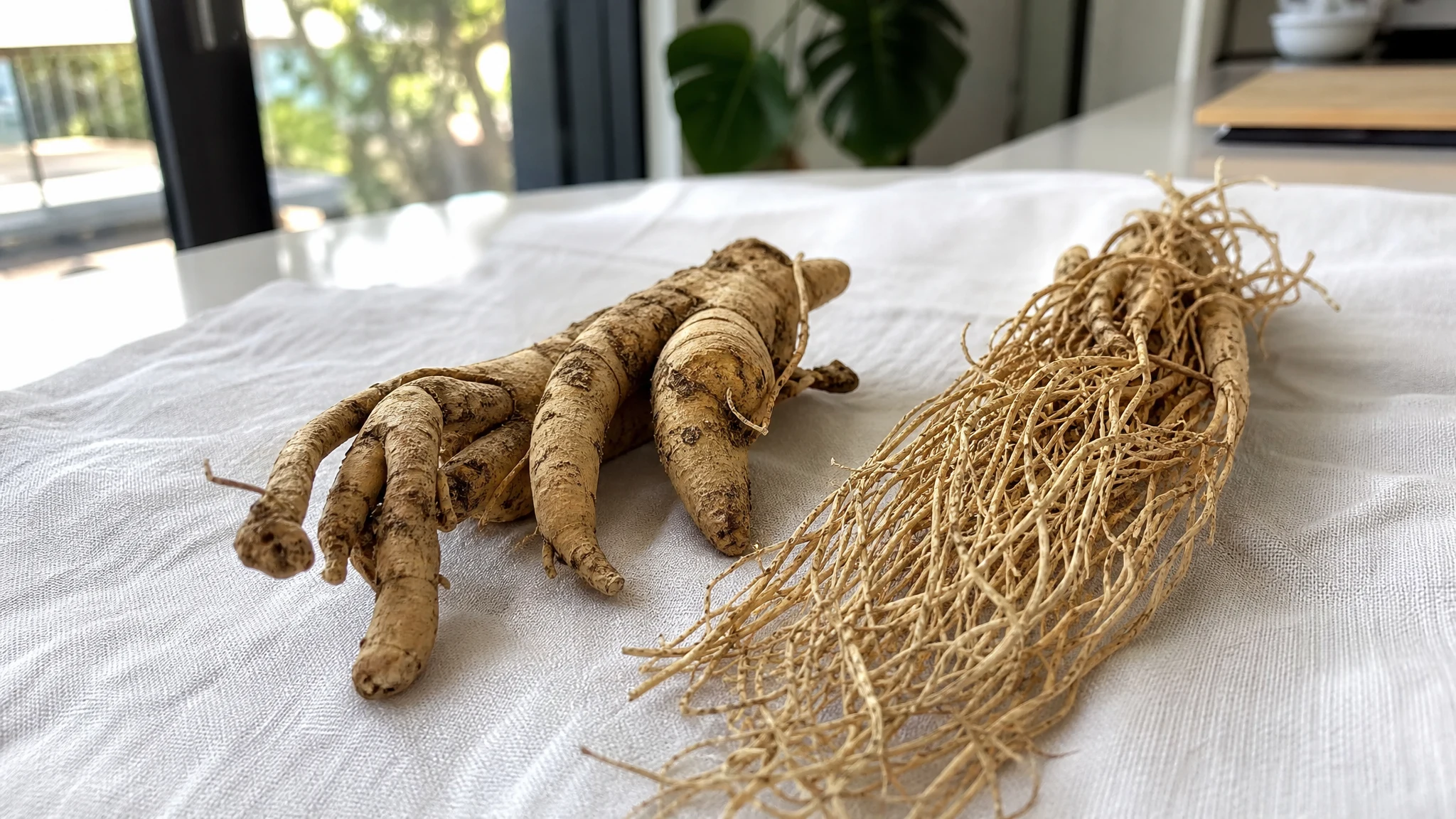
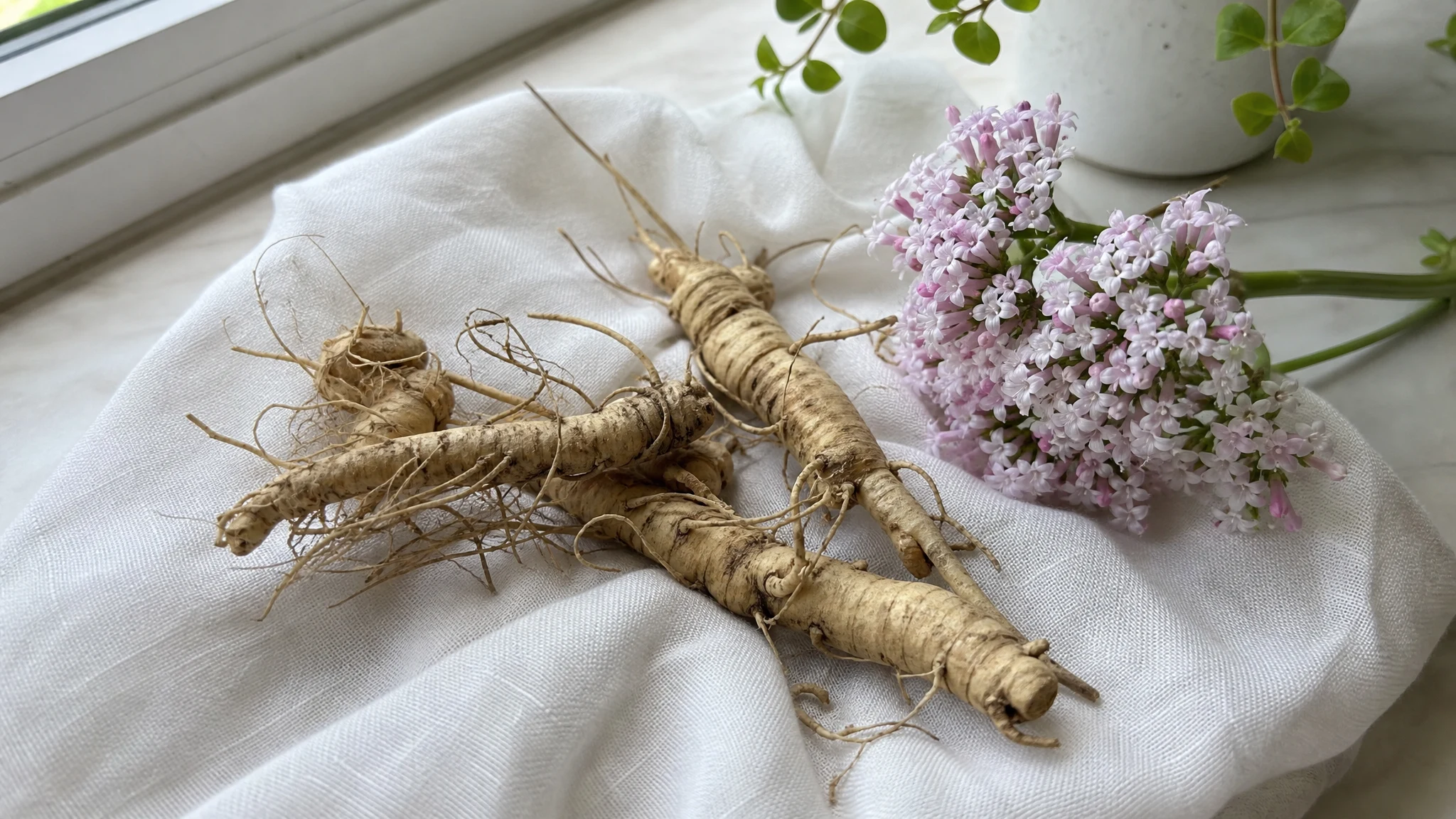
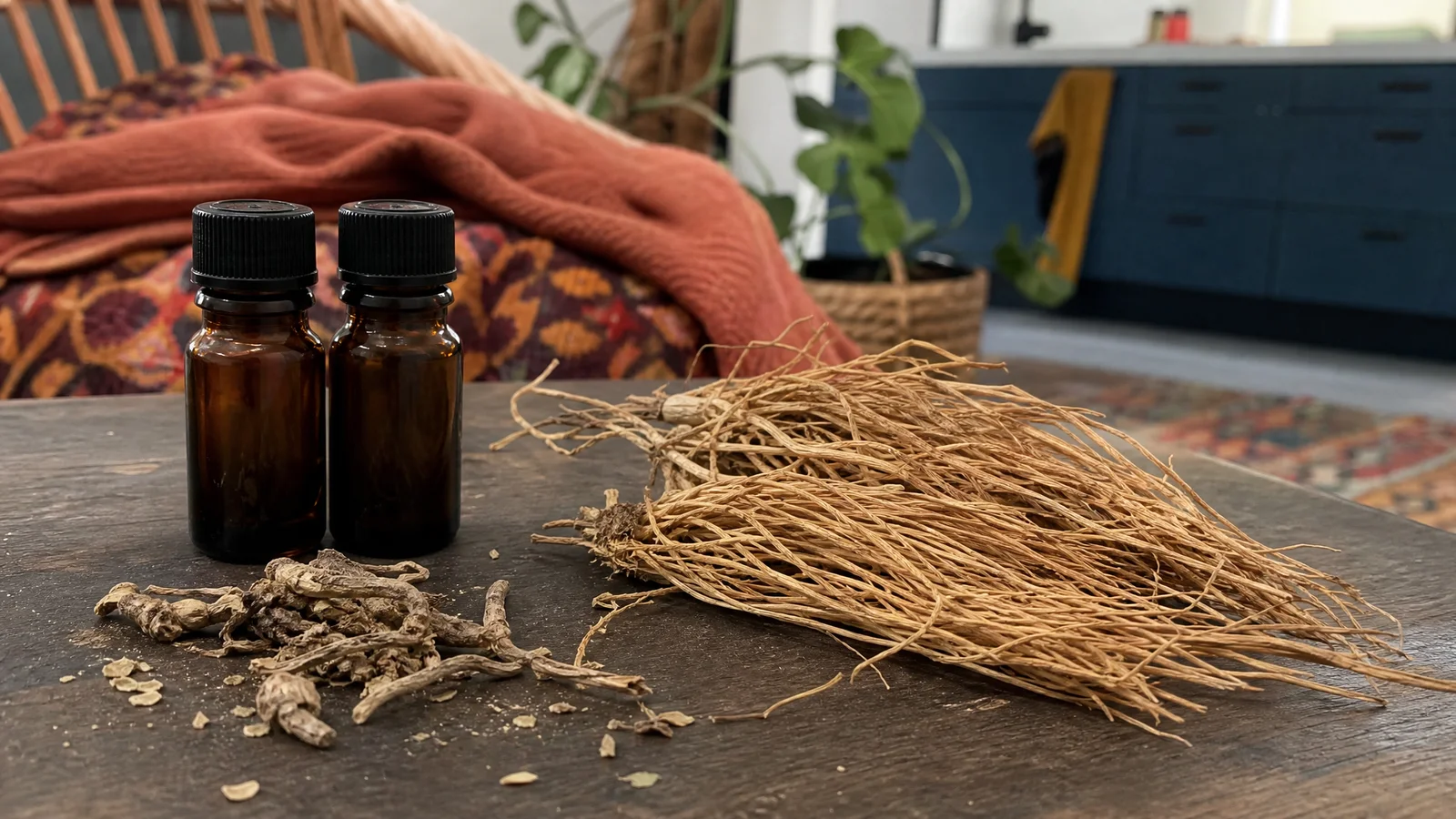
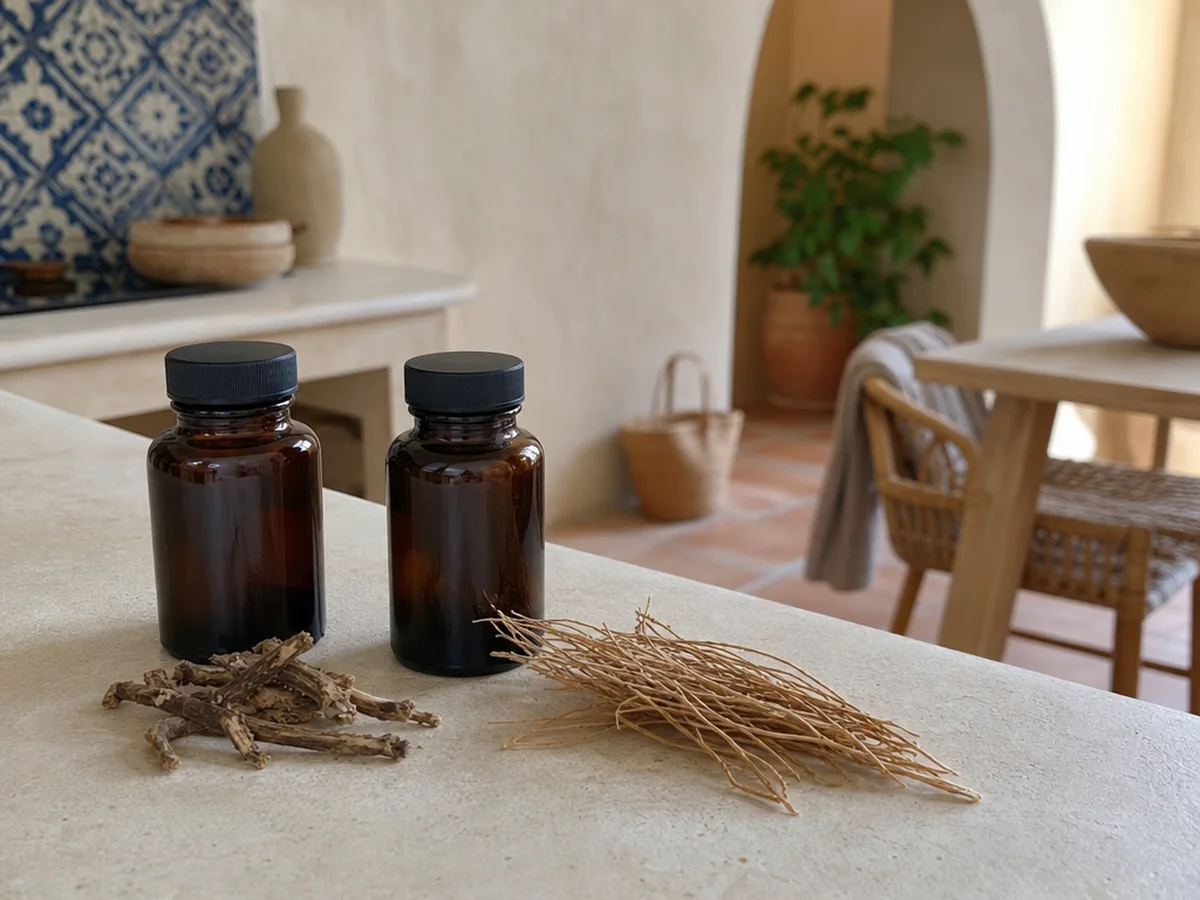
Vetiver is a tall perennial grass. The oil is steam-distilled from its cleaned, dried and chopped rootlets, a dense web of roots that, as the perfumery writer Steffen Arctander noted in 1960, also holds mountain soil in place against heavy rain. Valerian is a flowering meadow plant, and our oil is steam-distilled from its dried root and rhizome. Same technique, entirely different raw material.
How they smell
Arctander describes vetiver oil as sweet and very heavy woody-earthy, reminiscent of roots and wet soil with a rich undertone of "precious wood" notes. It is broad and smooth, and it is famous as a fixative that helps other aromas hang around.
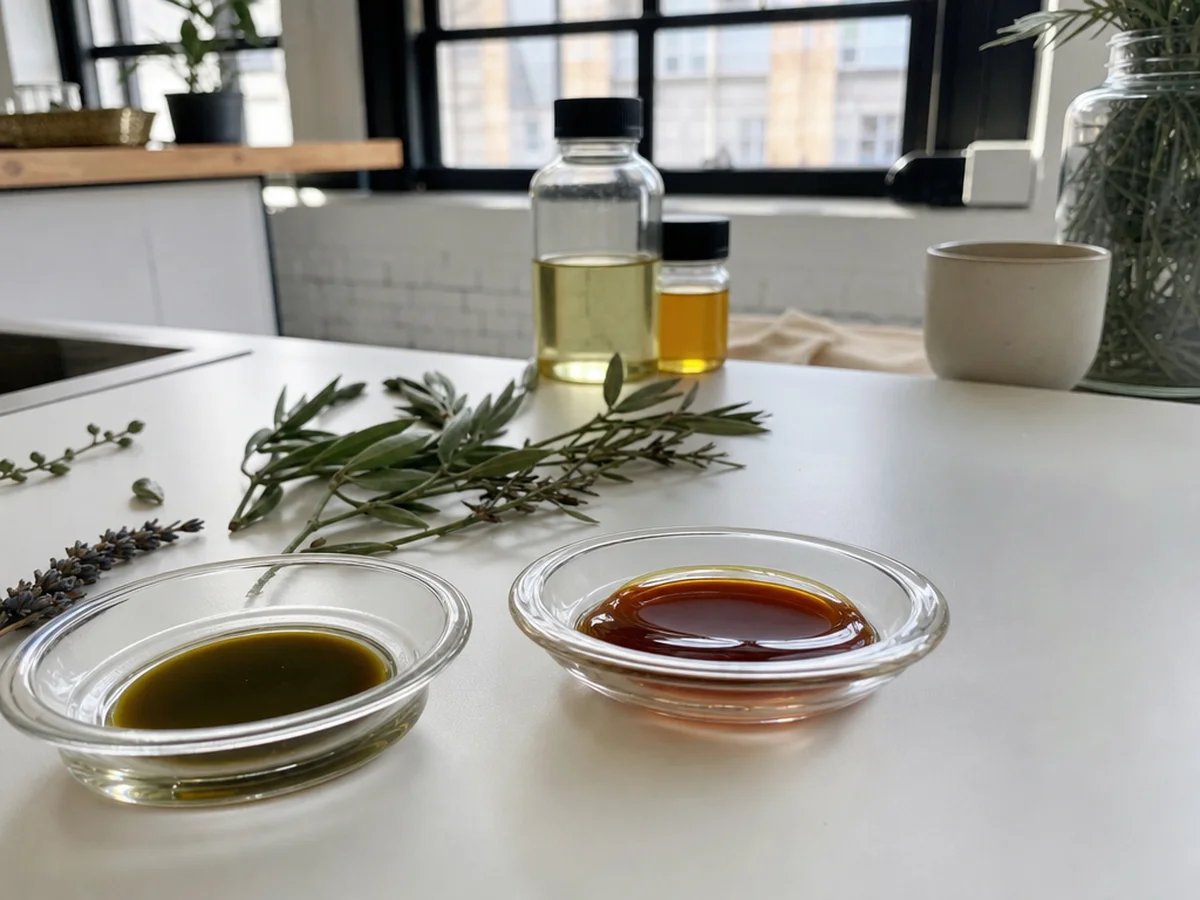
Valerian is stranger. Arctander describes the steam-distilled oil as a warm, woody, balsamic root-like odor with a distinct animal undertone and great tenacity. We describe ours as earthy, musky and woodland-damp, with a balsamic sweet finish. If vetiver is a cellar of damp soil and fine wood, valerian is the same cellar with a warm, animal edge. Plenty of people find that fascinating, and some find it a lot, which is why we suggest starting with our smallest bottle to see which camp you are in.
How much of each
This is where the practical difference shows up. Vetiver is a workhorse. Arctander lists it as a staple of fougere, chypre, woody and Oriental perfume bases, used extensively and generously. Valerian is a spice. Arctander says it can give interesting musky-woody effects in chypre variations alongside patchouli and oakmoss, and our own advice is to use it in traces, because it tends to dominate anything it sits beside. A small pinch is the whole idea.
The scale of the two industries in Arctander's day tells the same story. He estimated world production of vetiver oil at about 90 to 130 metric tons a year, while all valerian oil, including the Japanese Kesso root type, came to much less than one metric ton. Those are 1960 figures, so they are a snapshot and not a current market report, but they show why vetiver is a familiar perfumery staple and valerian is a rarer accent.
Trying them side by side
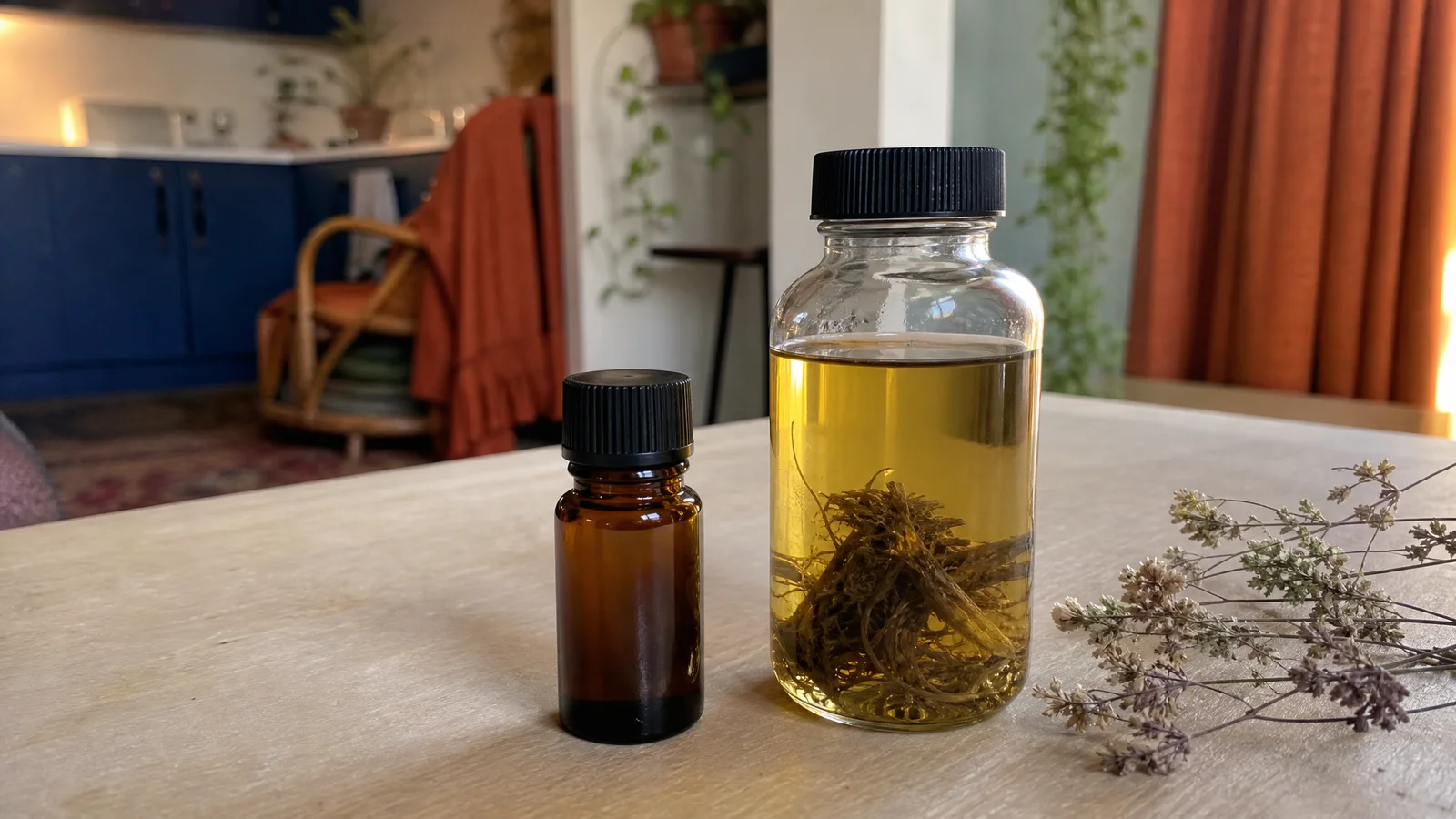
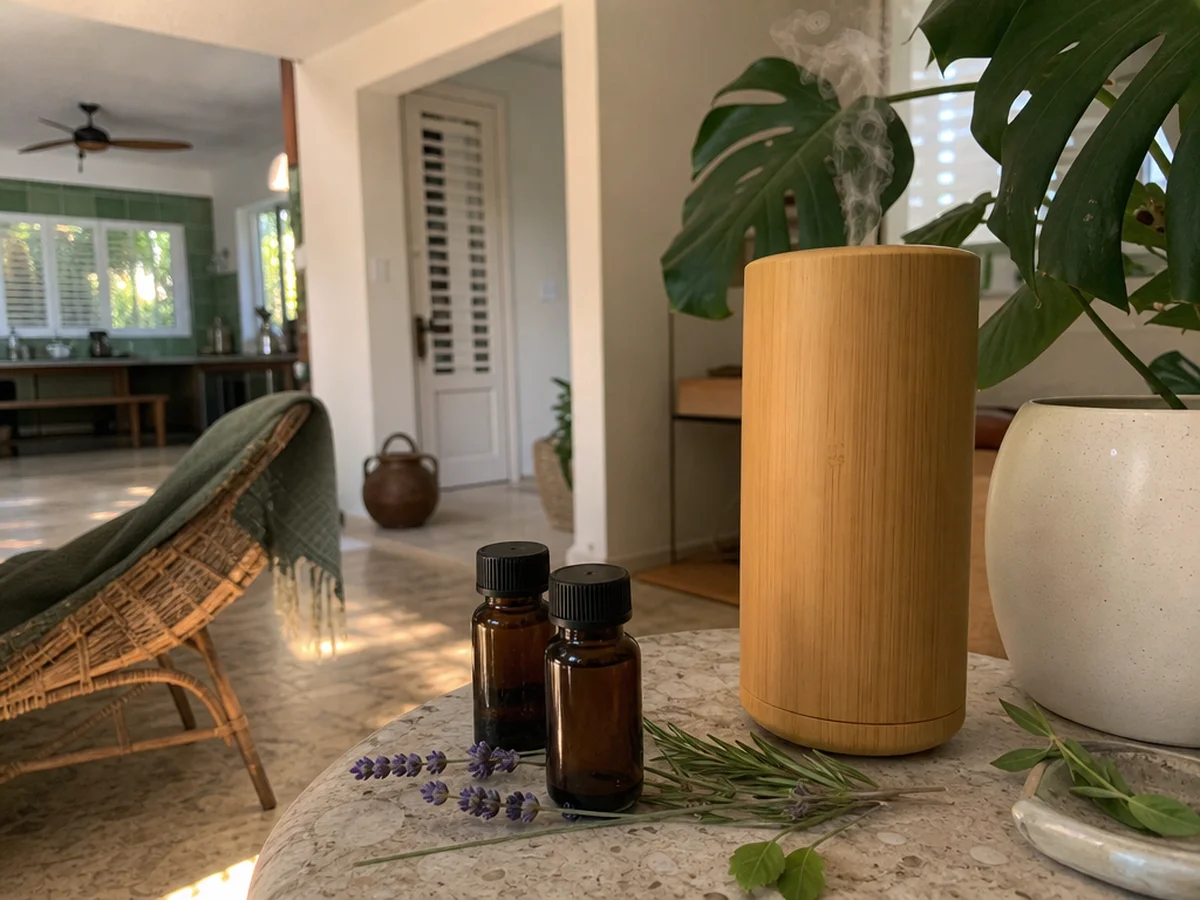
Take two strips and put a drop of each oil on its own strip. Smell vetiver first and note how the earth feels sweet and smooth, almost like polished wood. Then smell valerian and notice how it adds a damp, musky edge. Swap their order on a second pass and see whether your impression changes. Put both strips together in your hand, fan them gently and you have a tiny two-oil accord in about five seconds. It is one of the quickest ways to learn what each oil is for.
Pairing them
You do not have to choose. Both oils blend with patchouli, oakmoss and lavender, and we list vetiver among valerian's blending partners alongside patchouli, cedarwood, oakmoss and clary sage. A perfume built in layers might let vetiver carry the base and give valerian a tiny supporting part, perhaps to add depth and a faint animalic edge. Our guide to valerian in natural perfumery walks through that idea, and pairing valerian in blends covers matching its aroma with others.
We sell valerian only, so vetiver, patchouli and the rest are best found at a perfumery supply shop. When you do buy vetiver, look for a seller who lists the botanical name, the plant part and, if you need it, a batch report. The same goes for ours: the Certificate of Analysis we publish covers one batch and lists density, refractive index and optical rotation, and our post on reading that certificate explains what those numbers show. If you need more, such as a GC-MS report, ask us in writing through the contact page before ordering.
Which one to reach for first
If you are new to base notes, vetiver is the friendlier starting point: broad, smooth and forgiving. Valerian is the oil you graduate to when you want your blend to have a little mystery in it. Many people end up wanting both, and there is no rule that says you must pick one. A small bottle of each, a few strips and an unhurried afternoon will settle the question better than any list of descriptors.
A note on handling
Both are concentrated oils. For skin, we recommend diluting valerian to 0.5% to 2% in a carrier and doing a patch test first, and keeping it away from eyes, children and pets. Cats are drawn to valerian, so store the bottle sealed and out of reach. Our harvest guidance is to avoid it in pregnancy as a precaution and not to combine it with sedative medication; anyone with a medical question should ask a physician or pharmacist.
Keep the notes you make. A line such as "vetiver for the floor, valerian for the shadow" will remind you in six months what the two were doing together.
In short, choose vetiver when you want a broad earthy base, and valerian when you want a dramatic, unusual accent. Many perfumers happily keep both on the shelf.
Valerian Root Essential Oil
Valerian Root Essential Oil from our own shop, in sizes from 0.5 oz to bulk.
From $31.99
Shop Now →