How Long Does Valerian Take to Work? What Studies Timed
Ask the internet how long valerian takes to work and you will get a confident number, usually a few days or a couple of weeks. It is worth knowing where those numbers come from, because none of them were measured on an essential oil. They come from studies of root extracts that people swallowed, and even there the answer is less tidy than the headlines suggest.
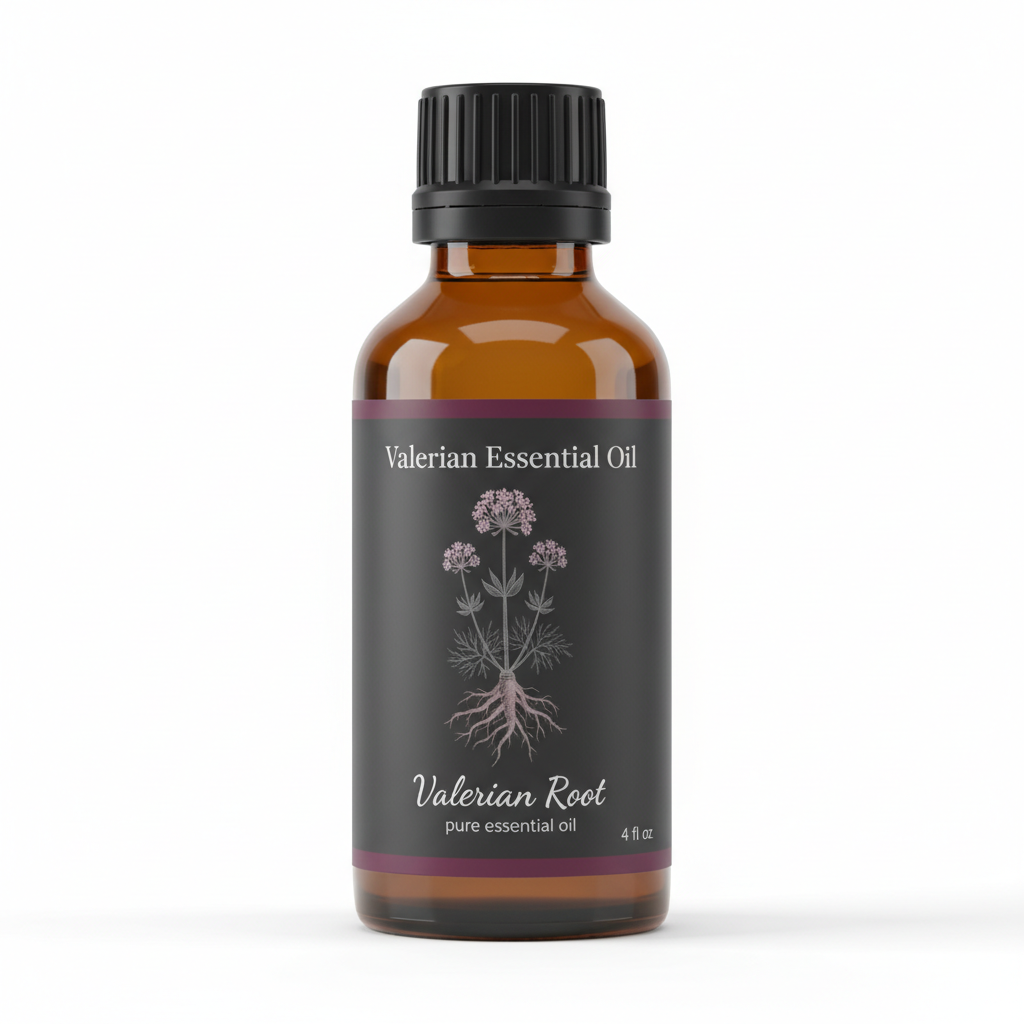
Valerian Root Essential Oil
Our own Valerian Root Essential Oil, in sizes from 0.5 oz to bulk.
From $31.99
Shop Now →What we can say about our oil
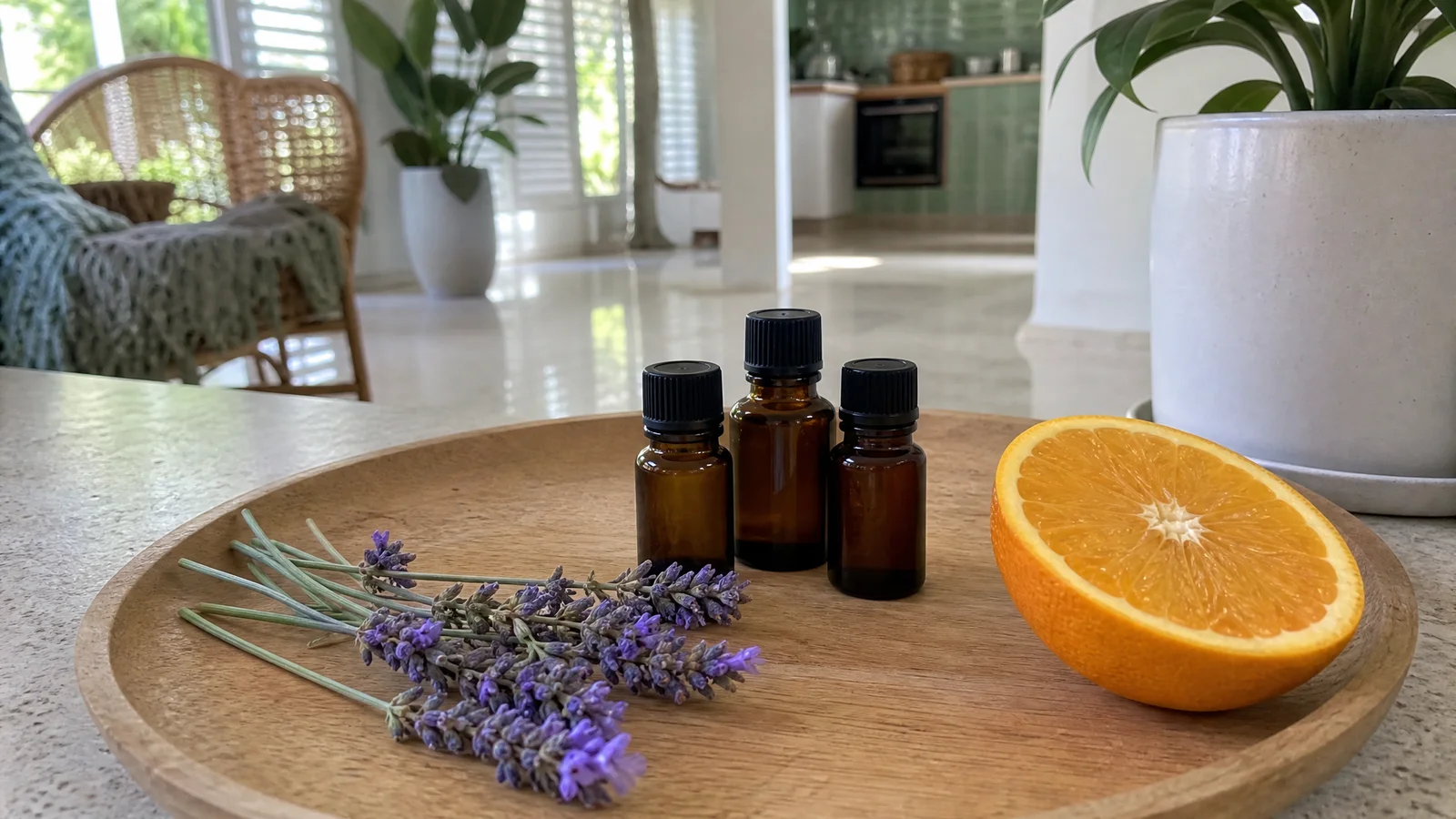
We sell Valerian Root Essential Oil as an aromatic, a deep base note for perfumery-style blends, and we make no claim about how quickly it does anything to a person. The one timeline we are comfortable describing is the sensory one: you smell it as soon as the cap is off, and the scent hangs around. It is earthy, musky and woodland-damp with a balsamic finish, and it is tenacious enough to scent a room, a cupboard and your hands. If you want to know whether you like it, you will know within a breath or two. That is also why we suggest starting with the smallest size.
What the studies actually timed
The research that gets quoted is about oral valerian: capsules, tinctures and tea. A systematic review in the American Journal of Medicine pooled 16 placebo-controlled trials covering 1,093 patients. Its authors noted that most of the trials had significant methodological problems and that doses, preparations and length of treatment varied considerably, with some trials giving a single dose and others dosing for weeks. When the studies disagree about how long to dose, they cannot agree on how long it takes.
A later meta-analysis of 18 trials looked at the question most people really mean: how much faster do you fall asleep? Averaged across the trials, the difference from placebo was 0.70 minutes, with a confidence interval running from a few minutes faster to a few minutes slower. In plain English, no reliable speed-up showed up. What did show up was that people were somewhat more likely to say yes when asked whether their sleep had improved, with a relative risk of 1.37. The authors read that as a subjective effect that had not been confirmed by quantitative or objective measures.
So the honest summary of the timing literature is that there is no agreed clock. A "two to four weeks" figure is a common rule of thumb, but we have not found a study that establishes it, and we would rather not repeat it.
Dose and duration from a government source
The US National Center for Complementary and Integrative Health describes valerian as having been used with apparent safety at 300 to 600 milligrams daily for up to six weeks, and says the safety of longer use is unknown. It lists side effects that include headache, stomach upset, mental dullness and vivid dreams, and advises against combining valerian with alcohol or sedatives. All of that concerns oral products. None of it tells you what to expect from a bottle of essential oil, and we would not stretch it that way.
The European Medicines Agency adds a practical note from its assessment of oral valerian root: because of case reports, the product text carries a warning that it may impair the ability to drive and use machines. If you are reading about valerian for any reason, that is a good reminder to treat anything with a reputation for drowsiness as something to keep away from the moments when you need to be sharp.
Why an oil does not borrow the answer
Swallowed extracts and a distilled oil are different materials. The oil is the volatile fraction of the root, and the certificate we publish for one batch of ours lists density, refractive index and optical rotation but no constituent breakdown, so there is no basis for assuming it resembles what was studied. For the same reason we do not read the oral trials as saying anything about our oil. If you want the study-by-study picture, our read of the insomnia research goes through it, and our piece on valerian and medications covers the interaction questions.
How to give a scent a fair first trial
Since the one timeline we can talk about is the sensory one, here is how to make it a good one. Choose a moment when your nose is fresh, not right after coffee, cooking or a perfume counter. Open the bottle, hold it a hand's width from your face and take one slow breath, then put the cap back on. Notice how the scent lingers: you may still catch it a few minutes later, and on a paper strip you can follow how it changes as it dries.
If you do not like it, that is a complete and useful answer. It is the reason we offer the 0.5 oz sampler size.
A better question to ask
If the thing you want to know is "will this help me sleep," that is a conversation for a doctor or pharmacist, especially if you take any medication, are pregnant, or are nursing. We advise avoiding our oil in pregnancy as a precaution and not combining it with sedative medication. If the question is "will I enjoy this scent," the answer arrives quickly, and our honest description of the smell is a good place to start. It is a bold one, and plenty of people find it lovely and plenty do not.
Valerian Root Essential Oil
Valerian Root Essential Oil from our own shop, in sizes from 0.5 oz to bulk.
From $31.99
Shop Now →Sources & Further Reading
- Bent S, et al., 2006. Valerian for sleep: a systematic review and meta-analysis. Am J Med.
- Fernandez-San-Martin MI, et al., 2010. Effectiveness of Valerian on insomnia: a meta-analysis of randomized placebo-controlled trials. Sleep Med.
- National Center for Complementary and Integrative Health. Valerian.
- EMA/HMPC, 2016. Assessment report on Valeriana officinalis L., radix and Valeriana officinalis L., aetheroleum (EMA/HMPC/150846/2015).