How to Make a Valerian Inhaler: One Drop, Done Right
A personal inhaler is a tiny, tidy way to carry a scent, and valerian is the kind of scent that rewards a very small amount. It is also a loud one, so the real craft in an inhaler is restraint. Here is a formulation worked out from simple arithmetic and cited guidance, with one drop of valerian doing the work of a whole bottle's worth of character.
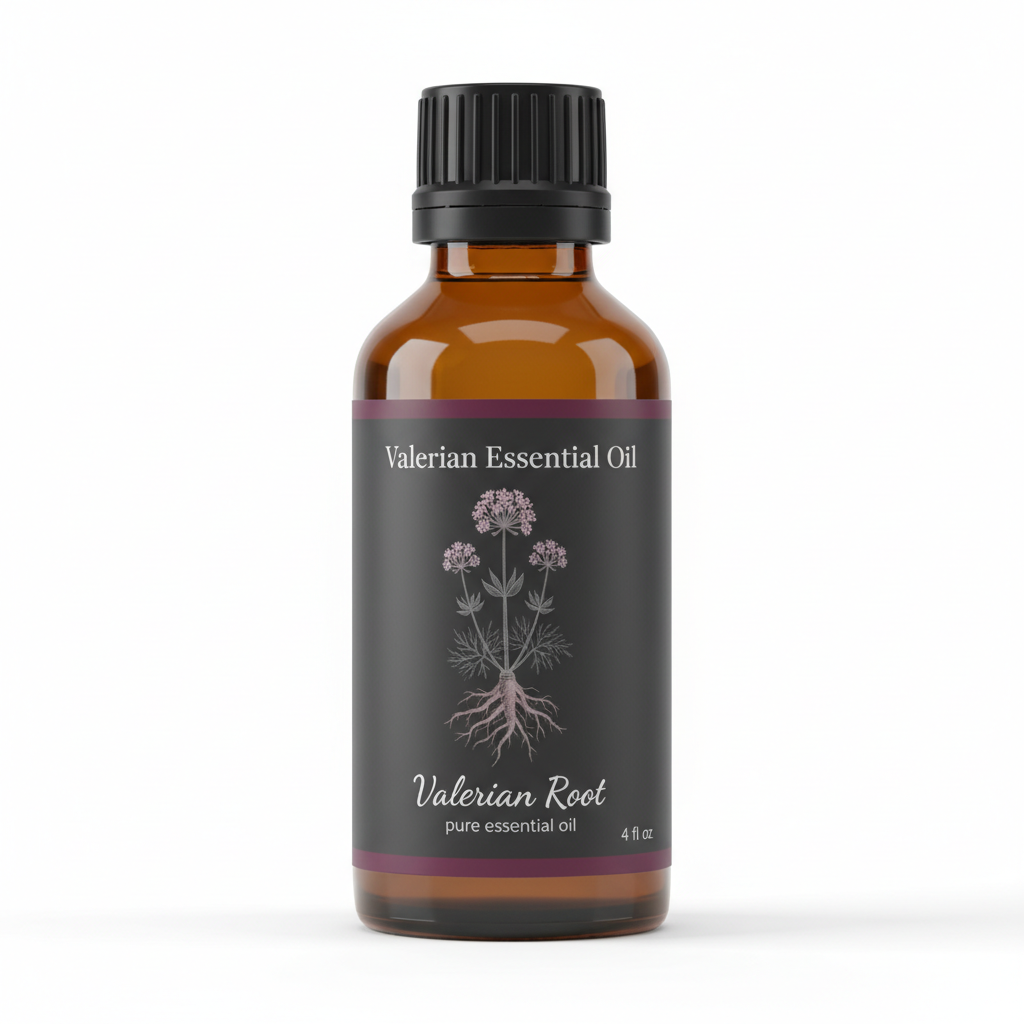
Valerian Root Essential Oil
Our own Valerian Root Essential Oil, in sizes from 0.5 oz to bulk.
From $31.99
Shop Now →Decide first whether it suits your day
An inhaler puts the smell close to your face and keeps it with you. Valerian is earthy, musky and woodland-damp, so it asks for an agreeable setting. If you share a desk, a bus seat or a bedroom, think about the other people: Canada's occupational health agency lists headaches, dizziness and upper respiratory symptoms among what some people report around scented products, and says scent-free policies should not stop at perfume. That fact sheet does not name inhalers, but an inhaler is a small, close-range source, and the principle applies.
We advise avoiding valerian oil in pregnancy as a precaution, and not combining it with sedative medication. Keep any inhaler away from children and cats. Those are questions for your doctor, midwife or pharmacist, not for a recipe.
What an inhaler is, and is not
We sell valerian as an aromatic oil. The FDA draws the line by intended use: on its aromatherapy page it explains that a product claimed to help you sleep or to act on the body in other ways is treated as a drug. We make no such claim for an inhaler. The National Center for Complementary and Integrative Health says on its aromatherapy page that we do not know whether aromatherapy helps with insomnia, because little rigorous research has been done. If sleep or stress is a problem for you, a doctor is the right person to see. An inhaler is a fragrance, and that is how we would treat it.
The drop count
No authority figure for inhaler loading came up in our reading, and we have no verified dermal or inhalation limit for the oil. So the numbers below are arithmetic and our judgment, designed to keep valerian a trace inside a blend.
The batch on our Certificate of Analysis has a relative density of 0.947 at 20 C. At roughly 20 drops to the millilitre, one drop is about 0.05 ml, or around 47 mg, and a thick oil may give larger drops. Our suggestion is to cap valerian at about one drop in ten on the wick:
| Total drops on wick | Valerian | Partner oils |
|---|---|---|
| 6 | 1 | 5 |
| 10 | 1 | 9 |
| 20 | 2 | 18 |
Our pick is the middle line: one drop of valerian to nine of something lighter. Ask the maker of your inhaler blank what the wick can hold, because capacity varies. If the result is too faint, add a drop of the partner oil, not a second drop of valerian. We list patchouli, vetiver, cedarwood, lavender, oakmoss and clary sage as good partners; we sell none of them, so look to an aromatherapy supplier. Our post on pairing valerian in blends shows how those oils behave beside it.
Choosing the partner
Think of the inhaler as a tiny conversation between two scents: valerian says little but lasts, while the partner speaks first and fades. Pick a partner you already enjoy. Lavender and cedarwood are on our list of oils that blend well with valerian, and either one makes the first sniff friendlier. Smell your partner oil on its own first, so you know what you are adding the root to.
Putting it together
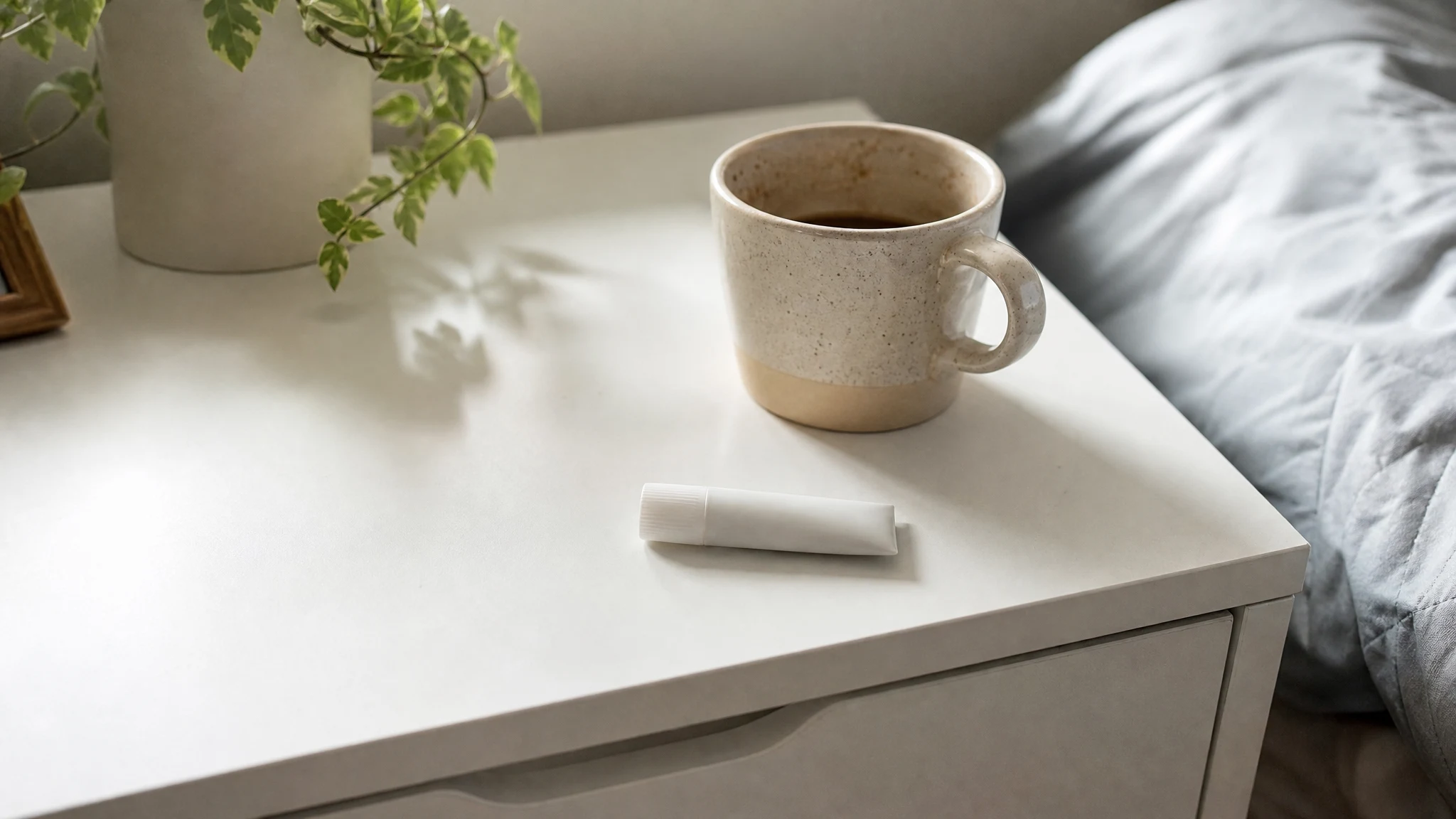
- Buy an empty inhaler blank (a tube with a cap and a wick) from an aromatherapy or craft supplier. Use a clean, dry one.
- Count out the partner drops first and the single valerian drop last. If the drops fall unevenly, start again with a fresh wick, because oil cannot be taken back out.
- Seat the wick, close the inner and outer caps firmly, and label the contents and date.
- Smell it from a short distance first rather than pressing it to your nose, and wash your hands afterwards.
- Store it upright and capped, cool and out of the light, beyond the reach of children and cats.
Poison Control warns that misusing essential oils can cause serious poisoning and that aspirating an oil can cause pneumonia. A loose wick in a small child's hand is the thing to guard against. If someone swallows an essential oil, call 1-800-222-1222.
The first sniff after loading is not the final one. Give the inhaler a day to settle before you decide whether it needs another drop of the partner, and keep a small card with the drop counts so you can repeat the version you liked.
It also helps to carry the inhaler somewhere it will not sit in the sun or against a warm radiator, such as an inside pocket or a small pouch, and to cap it every time you put it down. A capped inhaler keeps its scent longer and keeps the wick tidy.
The top notes of a loaded wick fade over time, so the smell will change as it ages. If you notice a headache, dizziness or nausea, stop and get some fresh air. For a room rather than a pocket, Best Diffuser for Valerian Oil covers the alternative, and valerian and cats explains why we keep the bottle out of reach.
One drop, a lighter partner, a blank from a supplier, and a bit of thought for whoever sits beside you: that is the whole recipe.
Valerian Root Essential Oil
Valerian Root Essential Oil from our own shop, in sizes from 0.5 oz to bulk.
From $31.99
Shop Now →Sources & Further Reading
- CCOHS. Scent-Free Policy for the Workplace
- FDA. Aromatherapy
- NCCIH. Aromatherapy
- Poison Control. Essential oils: Poisonous when misused