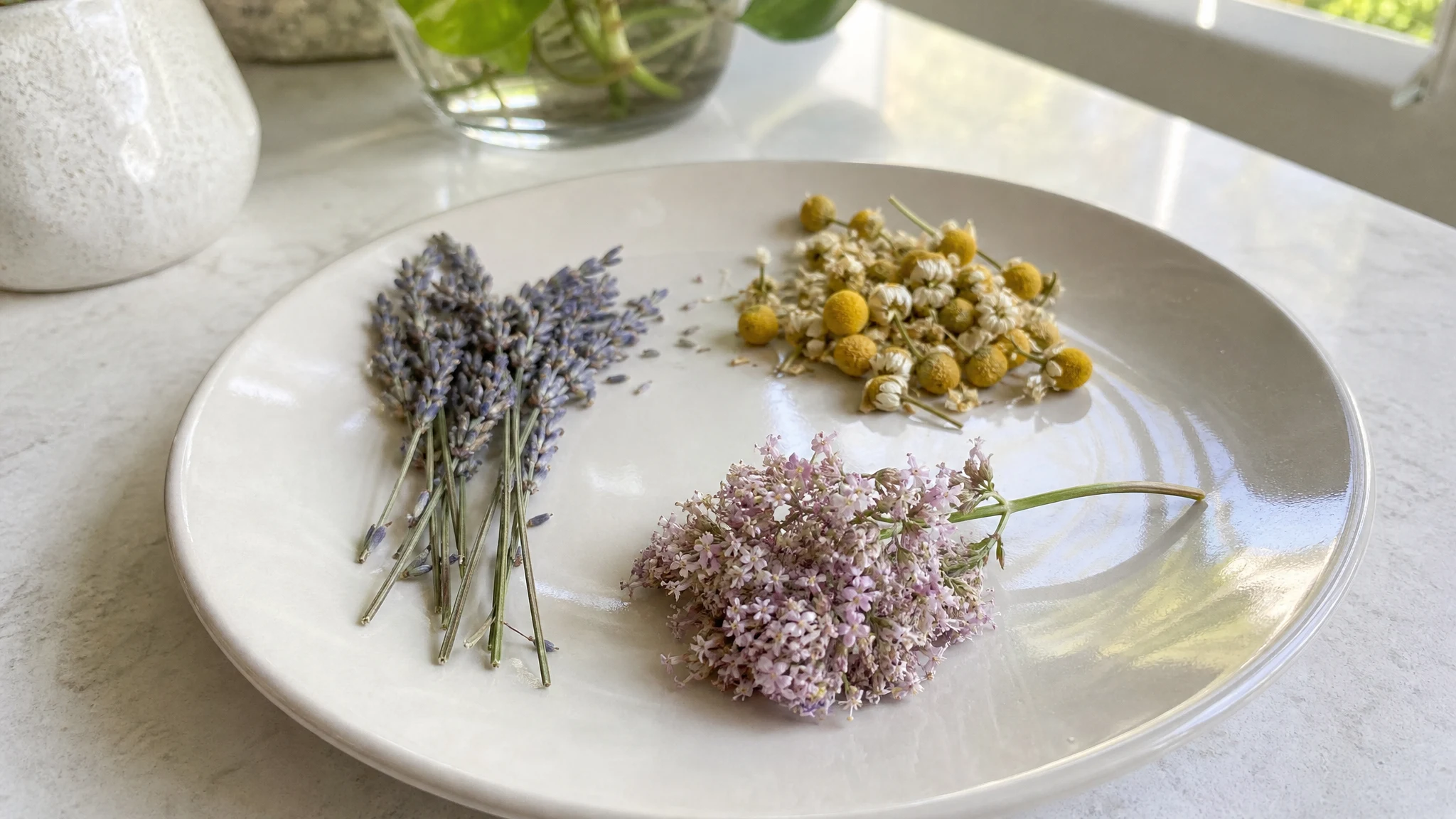
Essential Oils and Sleep: What the Trials Really Show
Search for the best essential oil for sleep and you will find confident rankings. Go looking for the trials behind them and the picture gets quieter and more interesting. No oil has earned a crown, but the way researchers have studied scent and sleep is worth understanding, especially if you are choosing a fragrance for your own evenings.
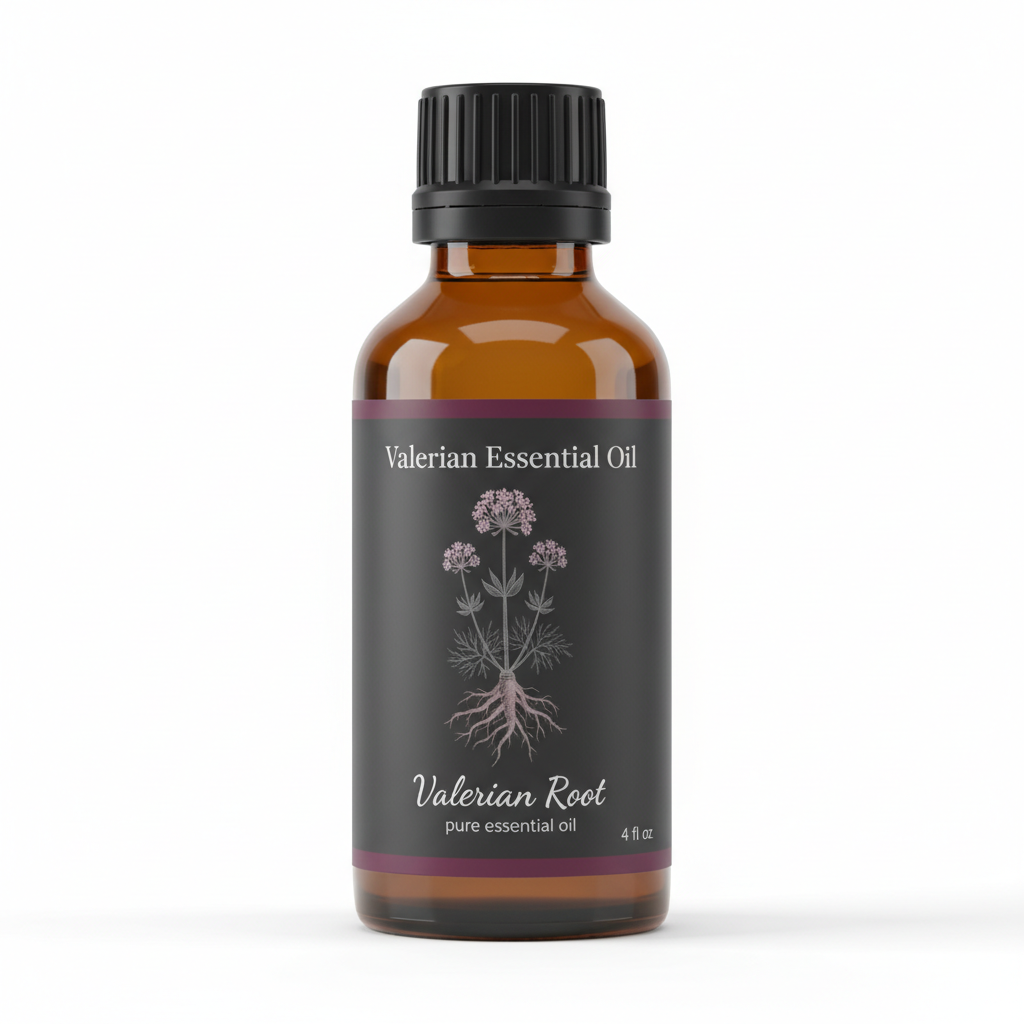
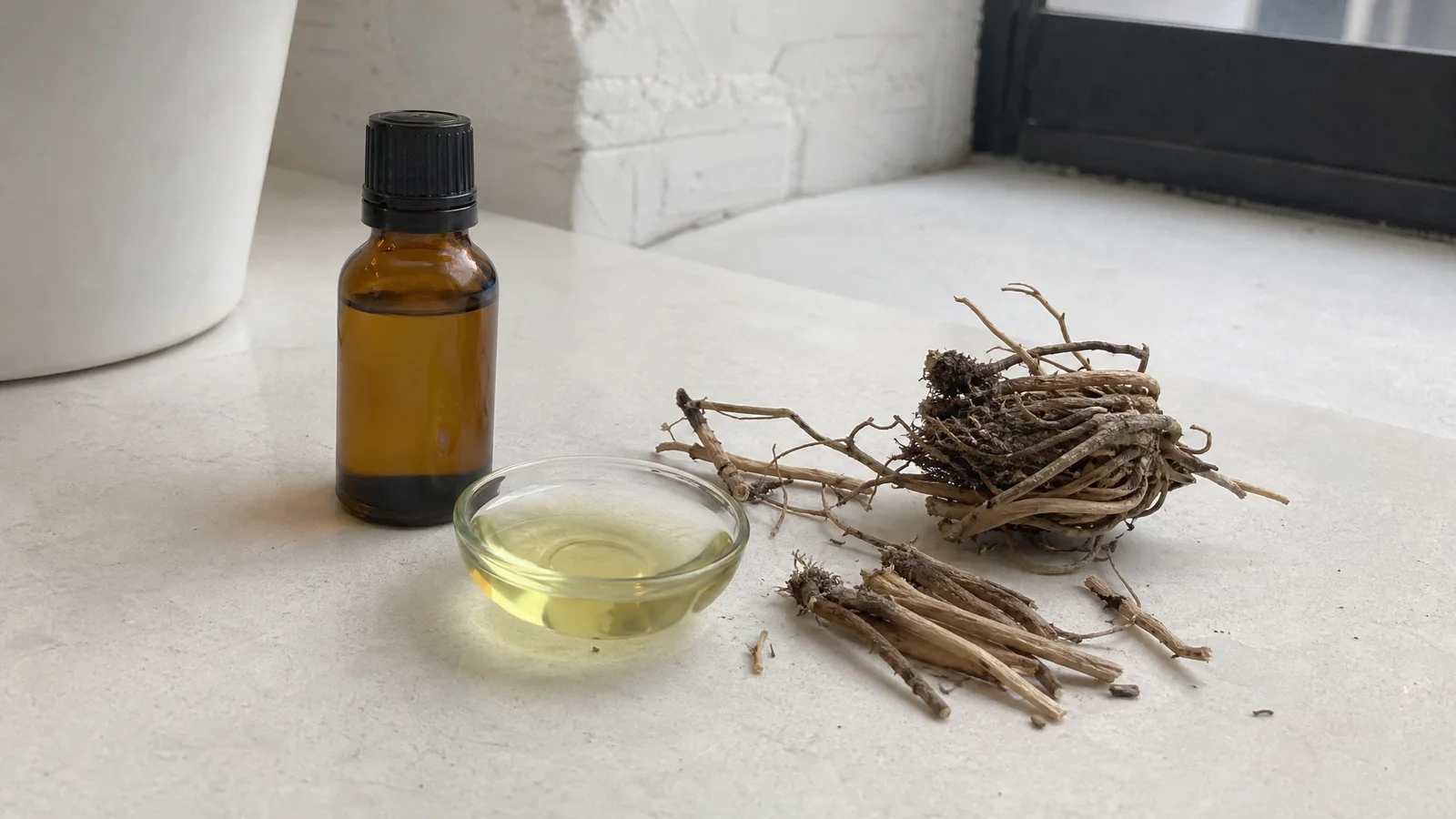
Valerian Root Essential Oil
Our own Valerian Root Essential Oil, in sizes from 0.5 oz to bulk.
From $31.99
Shop Now →Five questions that sort the evidence
When we read a study on this subject, we ask the same few things. Was the material an essential oil, or a plant extract, tea or capsule? Was it breathed, put on the skin or swallowed? How many people took part? Was there a blank for comparison, and did everybody also get sleep advice? And was sleep measured by a device or by a questionnaire? Most of the differences between headlines and findings come down to those last three.
It is also worth knowing that, in the United States, the FDA treats a claim that a product will help you sleep as a drug claim, which is why you will not find us making one about our valerian oil. We sell it as an aroma.
What the lavender trial really showed
Lavender has the strongest research of any oil, so it makes a good model. In a randomized trial by Lillehei and colleagues, 79 college students got sleep-hygiene advice and wore a small patch for five nights. One patch held a measured amount of lavender oil and the other was blank. Afterward, the lavender group reported better sleep quality on a standard questionnaire, and that held at a two-week follow-up. The blank-patch group improved too, just by less. Sleep quantity, measured with a wearable device and a diary, did not differ between groups.
That is a useful, honest result: a reported difference in sleep quality over a few nights in young students, on top of a routine that was already helping. It does not tell us about people with persistent sleep problems, older adults, or any other oil.
A 2025 review pooled 27 publications on inhaled aromatherapy for people with insomnia alongside another condition, covering 2,072 patients, mostly using lavender, and reported an average improvement on that same questionnaire. Its authors also point out the limits: many trials were short, blinding is hard when everyone can smell what they are given, the oils were not independently tested, and the results may be skewed by unpublished studies. So they urge caution.
Where valerian fits
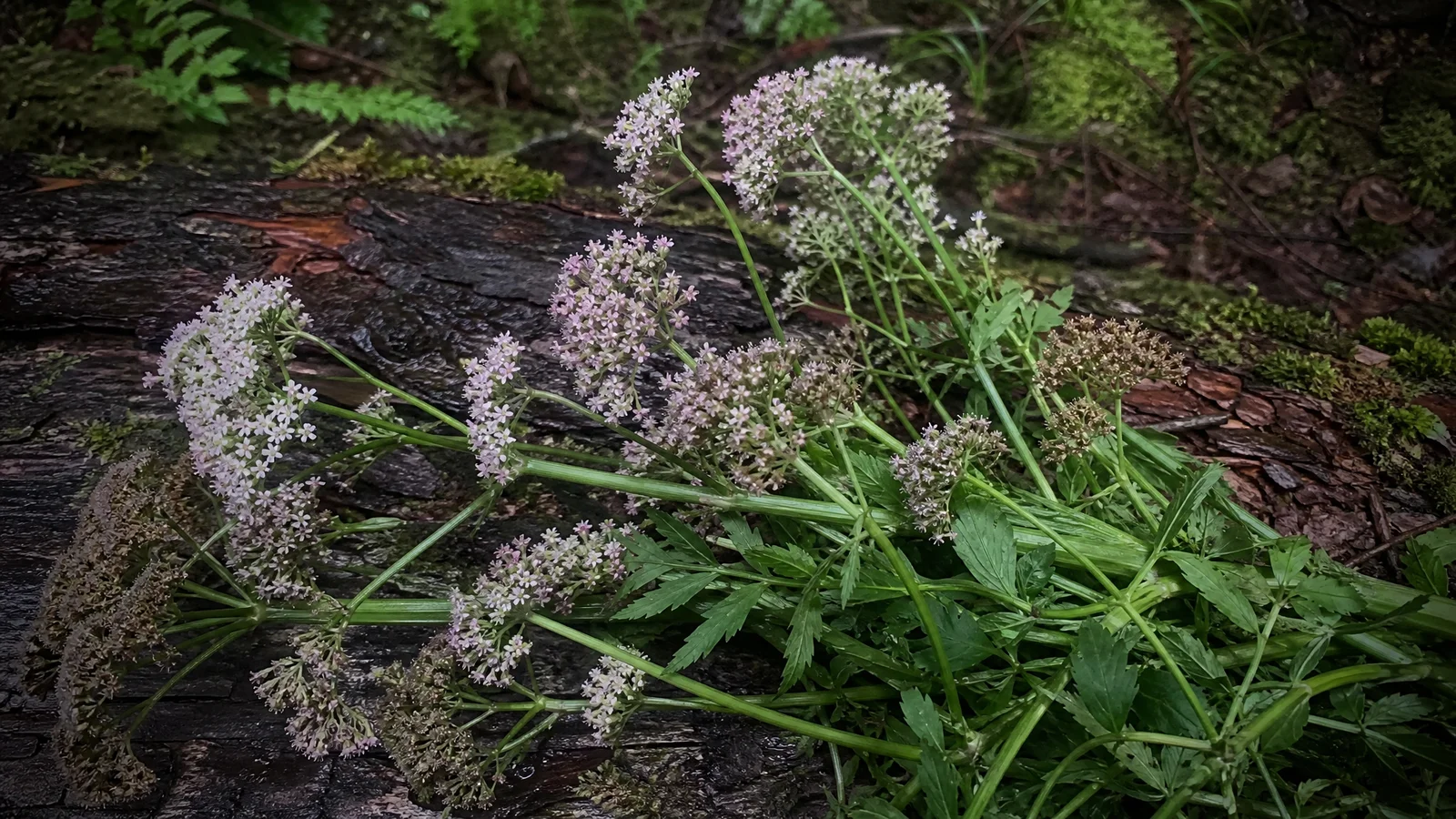
Valerian's sleep record belongs to the plant taken by mouth. A 2010 analysis of 18 randomized trials found no meaningful change in how long people took to fall asleep, and a better-than-placebo result only when people were asked a simple yes or no about whether they had slept better. The American Academy of Sleep Medicine's 2017 guideline suggests clinicians not use valerian for chronic insomnia, and describes this as a weak recommendation. All of that research is about oral valerian preparations, not the essential oil.
For the oil, there is one animal study worth knowing about. Researchers exposed rats to ten different odors and found that valerian was the standout, lengthening sleeping time under a sedative and shortening the time to fall asleep in natural sleep, and that the effect vanished in rats that could not smell. It is a charming result, but it is rats in one lab, and it says little about people. In a search of the literature in early November 2026 we found no human trial of inhaled valerian oil and sleep. The 2025 review above listed lavender as the most common oil and did not include valerian among its trials. We also noticed that its authors mention valerian among oils with compounds said to promote sleep, which is a hypothesis about shared chemistry and not a result.
Our posts on valerian oil and sleep and the insomnia research go through the root studies one by one.
A word on headlines
Headlines tend to squeeze all of this into one sentence, and the sentence is rarely "it depends who took part, which material they used and how sleep was measured". When you meet a bold claim, look for the study underneath and run it through the five questions above. If you cannot find the study, that tells you something too. A confident ranking of oils with no trials behind it is a list of someone's favorites, which is a perfectly fine thing to have as long as it is not dressed up as evidence.
If you simply want a scent for the evening
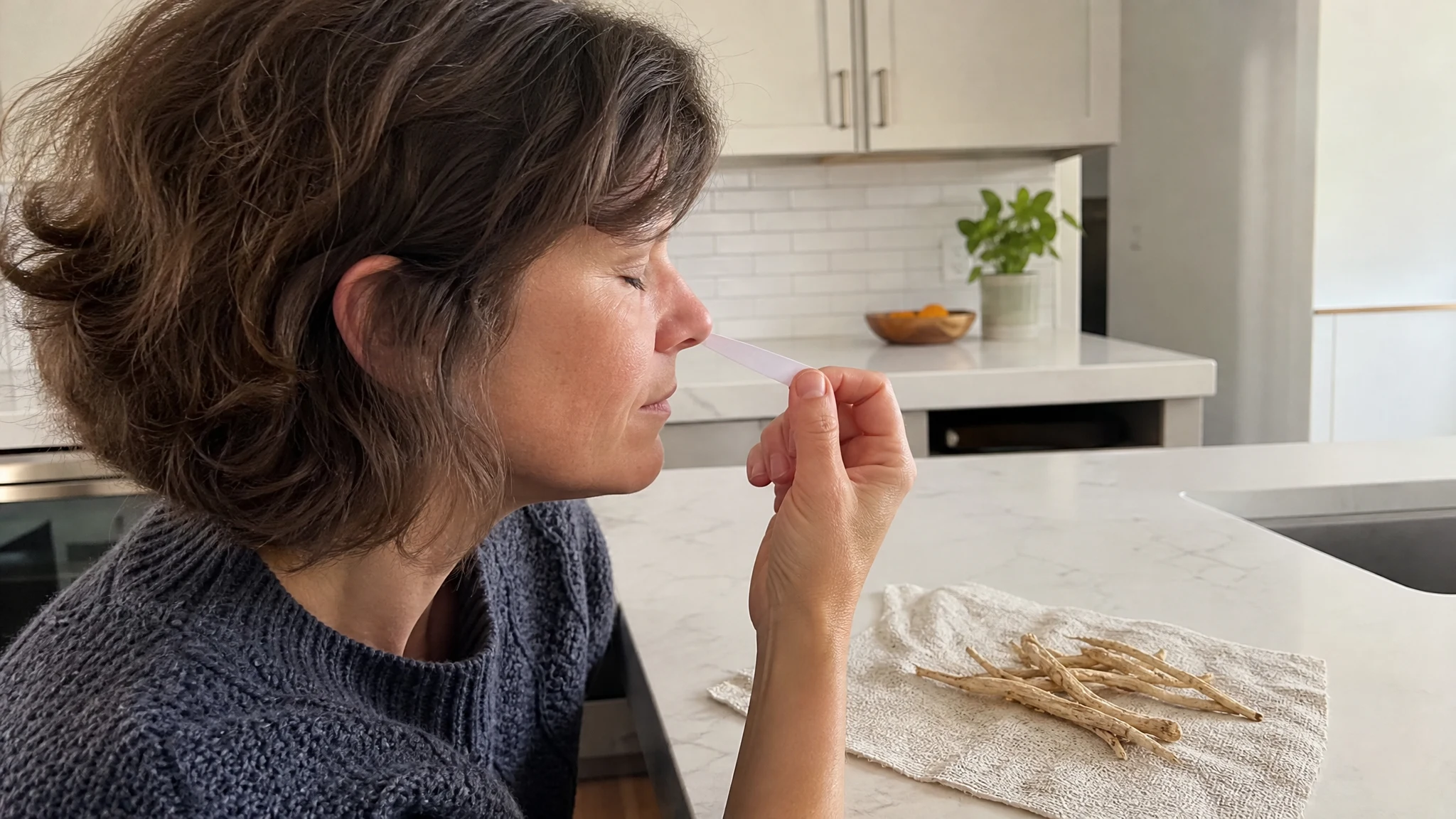
Choose by what you will actually enjoy smelling, not by a ranking. Our valerian is earthy, musky and woodland-damp, which will suit some noses and not others, and oils with a lighter profile are a different experience. If you are curious how it compares to the best-studied oil of all, our valerian versus lavender piece compares the two as scents, not as sleep aids.
A few plain ways to choose: open the bottle and breathe in once before you decide, keep the amount small, and let the scent be something you like for its own sake. If a smell makes you wince, no study will make it pleasant.
The CDC suggests a consistent bedtime and wake time, a dark, quiet and cool bedroom, and no devices for the last half hour before bed. If trouble sleeping has lasted for months, the NHS recommends seeing a GP. We sell an external aromatic oil, so a scent decision is the only kind we can help with; for anything about sleep itself, a clinician is the right person to ask.
Valerian Root Essential Oil
Valerian Root Essential Oil from our own shop, in sizes from 0.5 oz to bulk.
From $31.99
Shop Now →Sources & Further Reading
- Lillehei AS, Halcón LL, Savik K, Reis R. Effect of Inhaled Lavender and Sleep Hygiene on Self-Reported Sleep Issues: A Randomized Controlled Trial. J Altern Complement Med, 2015.
- Inhalation aromatherapy for the treatment of comorbid insomnia: a systematic review and meta-analysis. Front Psychiatry, 2025.
- Fernández-San-Martín MI et al. Effectiveness of Valerian on insomnia: a meta-analysis of randomized placebo-controlled trials. Sleep Med, 2010.
- Sateia MJ et al. Clinical Practice Guideline for the Pharmacologic Treatment of Chronic Insomnia in Adults: An American Academy of Sleep Medicine Clinical Practice Guideline. J Clin Sleep Med, 2017.
- Komori T, Matsumoto T, Motomura E, Shiroyama T. The sleep-enhancing effect of valerian inhalation and sleep-shortening effect of lemon inhalation. Chem Senses, 2006.
- FDA, Aromatherapy | FDA
- CDC, About Sleep | Sleep | CDC
- NHS, Insomnia - NHS