Valerian vs Spikenard: Why the Names Get Mixed Up
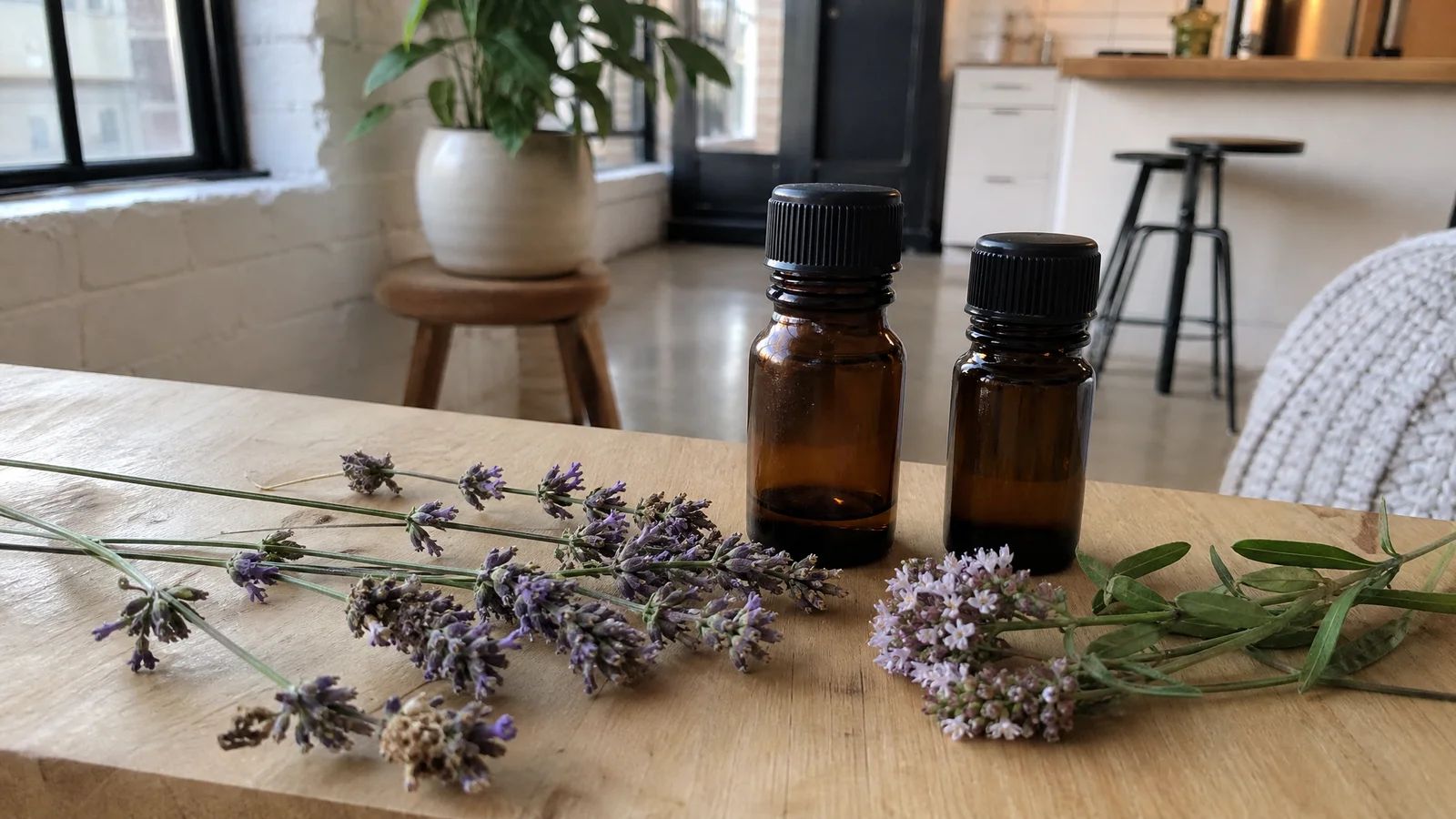
Pick up two bottles labeled "jatamansi" and you could be holding two entirely different plants. The name sits in the botanical title of an Indian valerian and also in the title of spikenard, and perfumers have been confusing, and even swapping, valerian and spikenard oils for a very long time.
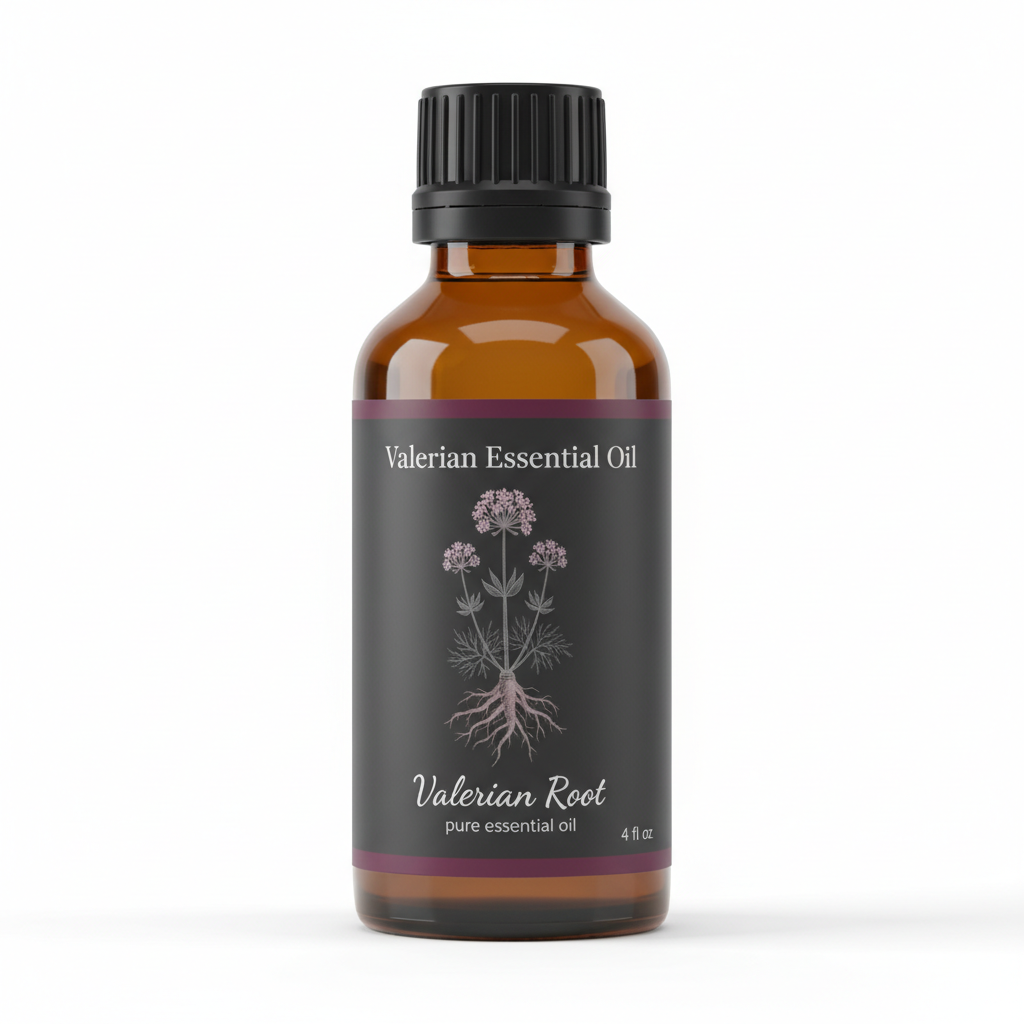
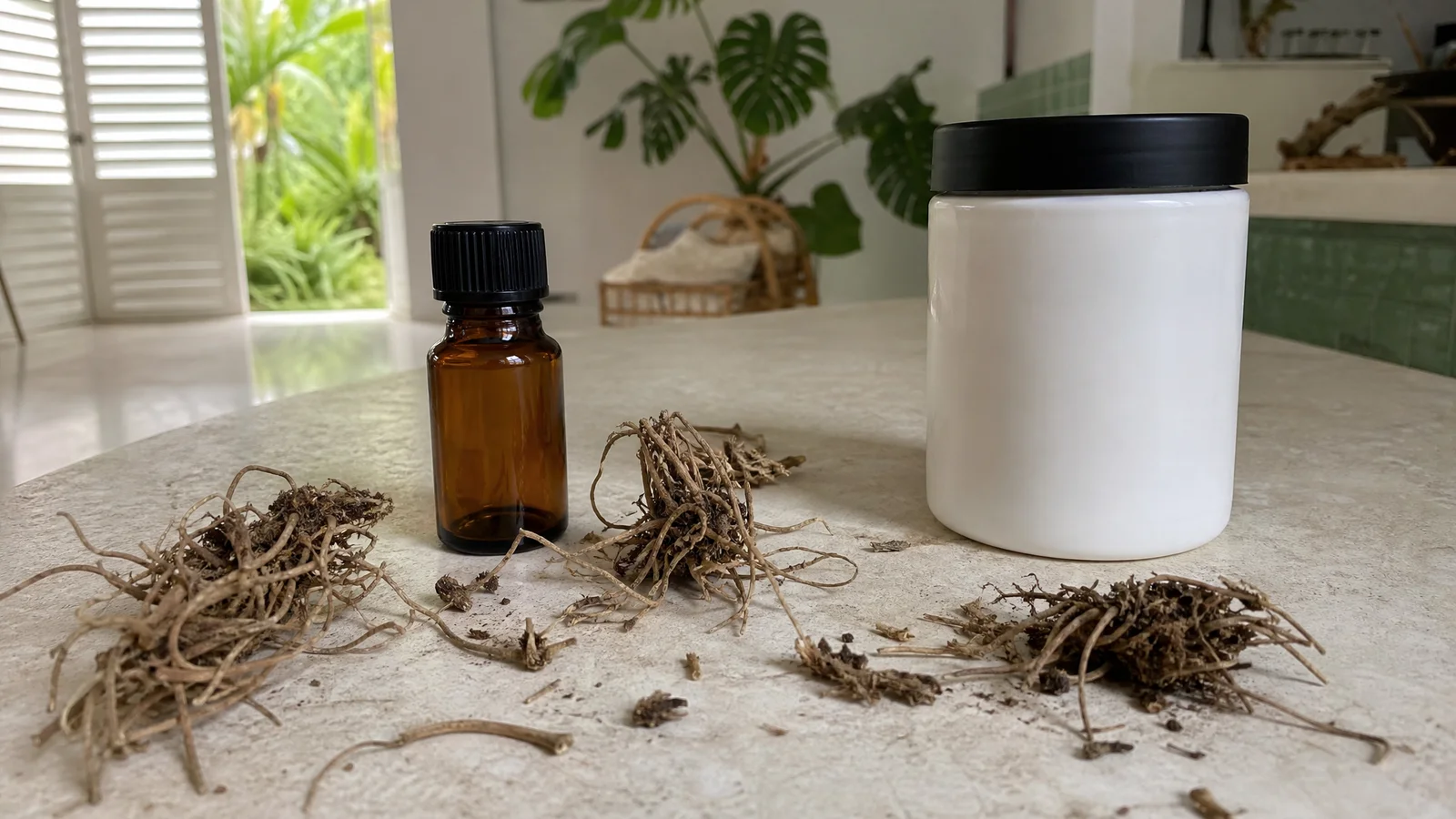
Valerian Root Essential Oil
Our own Valerian Root Essential Oil, in sizes from 0.5 oz to bulk.
From $31.99
Shop Now →One word, three plants
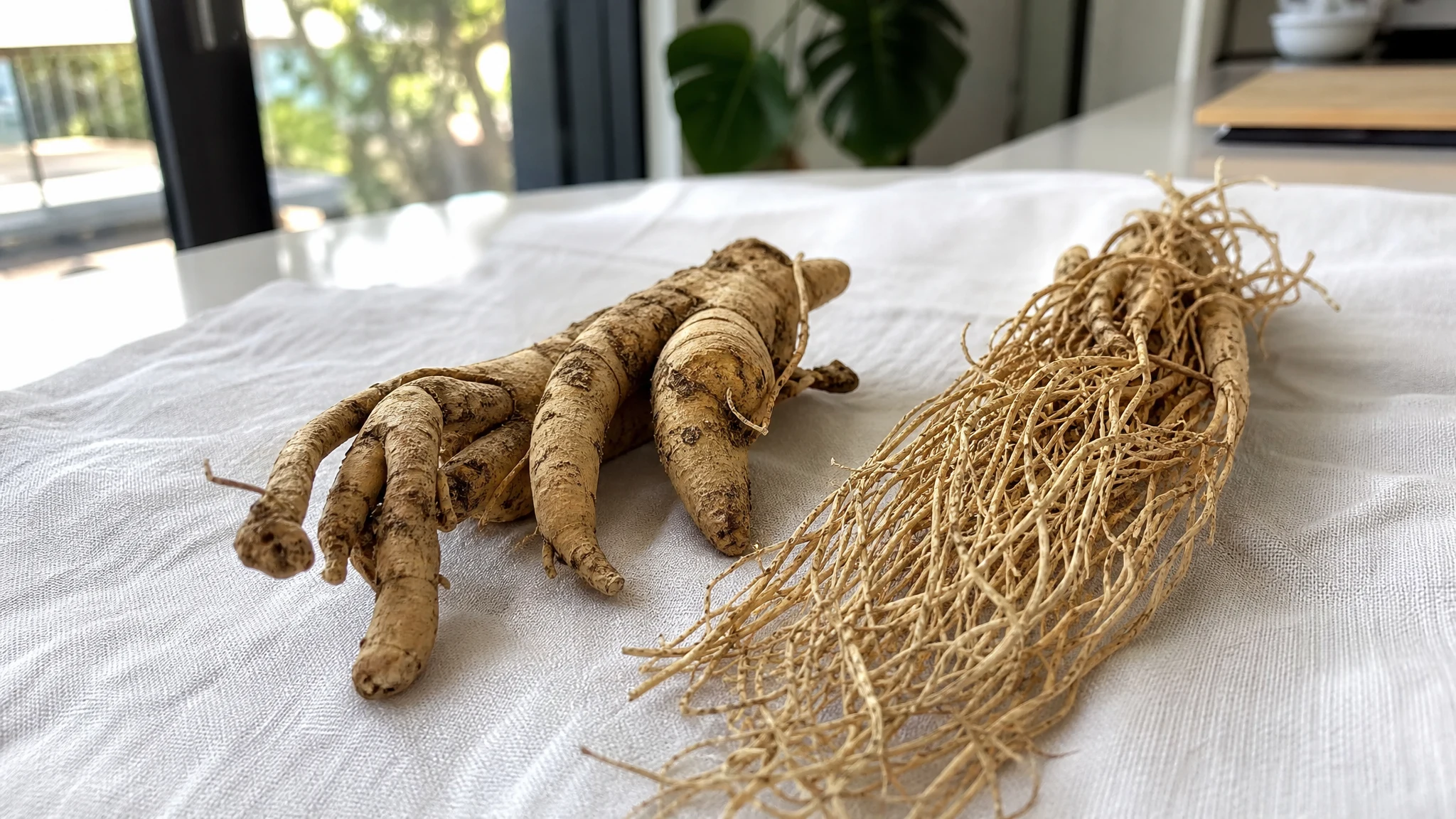
Here are the names worth knowing. Our oil comes from Valeriana officinalis, the name printed on our Certificate of Analysis and our bottle labels. Valeriana jatamansi is a different valerian that grows in the Himalayas. Spikenard is Nardostachys jatamansi, a separate genus altogether. A 2020 study that compared the oils and roots of all three put them in the same plant family, Caprifoliaceae, which explains the family resemblance, and it used DNA barcoding as one way to tell the roots apart and guard against adulteration.
So when a seller writes only "jatamansi", the useful follow-up is the full Latin name and the plant part. It is a one-line question that settles the whole thing.
What the chemistry says
You do not need a chemistry degree to see the point. A study of Valeriana officinalis root oils distilled from five Estonian samples found bornyl acetate, a sweet, balsamic-smelling compound, making up anywhere from 8.8% to 33.7% of the oil, alongside valerenal, valerianol and valeranone. A separate study of Valeriana jatamansi grown in India looked at a different profile entirely. Its oils were led by patchouli alcohol (up to 63.7% in one accession) and maaliol (up to 53.8% in another), with bornyl acetate barely present. A valerian that reads like a patchouli oil on paper is a good reminder that the same word on a label can hide very different material.
These are research distillations of small numbers of samples, so they show a range, not a promise about any bottle. Even within one species the spread is wide, which is why we point readers to our guide to valerian's chemistry and to the different valerian oils.
Old perfume trade swaps
The perfumery author Steffen Arctander wrote in 1960 that spikenard oil has a heavy, sweet-woody, spicy-animal aroma reminiscent of valerian, ginger, cardamom and Atlas cedarwood. He noted that spikenard oil had been used as a substitute for valerian oil, and sometimes the reverse, because spikenard was becoming scarce. He also wrote that it was frequently adulterated. That history is a nice reminder that the two oils share a deep, animalic, rooty register, and that they also share a trading record where identity was not always clear.
We put it simply: valerian is a distinct plant from spikenard, though the two share a deeply earthy character that perfumers prize.
Two roots, two kinds of depth
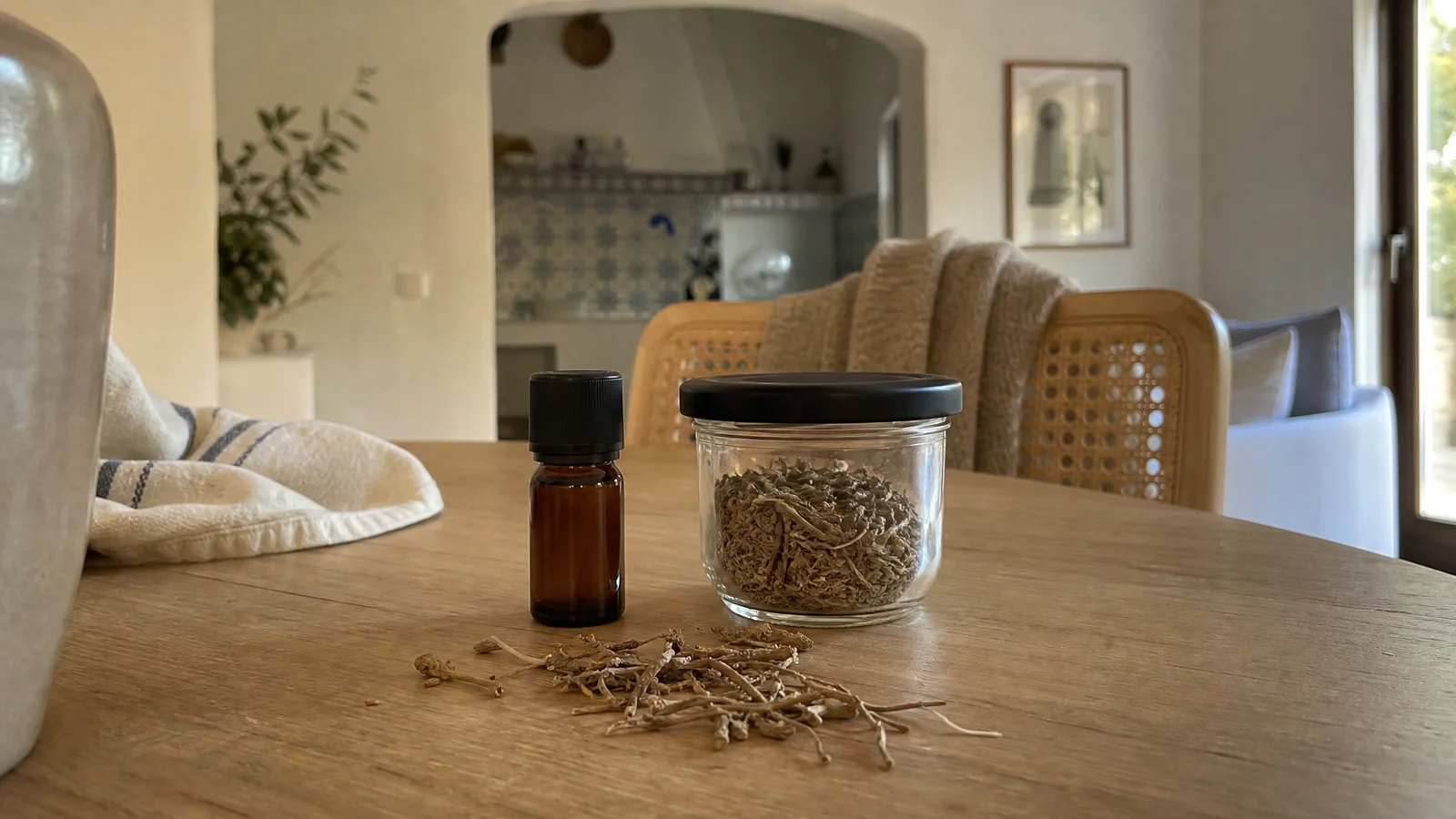
Side by side on a strip, valerian is the one with the damp, musky, woodland edge and a balsamic sweetness at the end. Spikenard is often described in perfumery writing as heavy, sweet and woody, so the two sit in the same dark corner of the palette without being the same oil. If you ever get the chance to smell both, give each its own strip, label them straight away and come back to them over a day. The differences in how they dry down are easy to miss in the first minute and obvious by the next morning.
The conservation difference
Spikenard has a second story that valerian does not. Researchers publishing in 2020 describe Nardostachys jatamansi as a critically endangered alpine Himalayan herb. We would not draw a conclusion about any particular bottle from that, but it explains why a spikenard seller should be able to tell you which species and plant part they are selling and where it came from. Asking in writing is reasonable for any essential oil, ours included. We state what our paperwork contains, and if you need origin or species confirmation before buying in volume, we encourage you to request it through our contact page and get it in writing.
Reading old names with new eyes
Old perfumery books and modern shop listings do not always use the same names, and a word like "nard" has meant different things in different centuries. When you read an old description, take it as a scent portrait rather than a species guarantee, and cross-check any modern purchase against the full Latin name. It is a pleasant bit of detective work, and it makes shelves full of similar-sounding oils far less confusing.
Which one should you choose?
If you are chasing the aroma of valerian itself, the first-hand route is to smell it. Our oil is described as earthy, musky and woodland-damp with a balsamic sweet finish, a base note that blends with patchouli, vetiver, cedarwood, lavender, oakmoss and clary sage. We do not sell spikenard, so we cannot offer a side-by-side, and because these are different plants the two are not a like-for-like swap. If you want to start with ours, the smallest bottle is plenty for working in traces.
A good rule of thumb for the curious: smell first, read second. A strip with the oil on it tells you what the plant smells like today, and the names help you find your way back to it.
If you are comparing the two for any health reason, that is a question for a physician or pharmacist, not a perfume oil. We sell valerian as an aromatic, cosmetic-use oil and make no claims beyond that. Until you have the full botanical name in hand, treat "jatamansi" as a clue, not an answer. For one more neighboring root, see valerian vs vetiver.
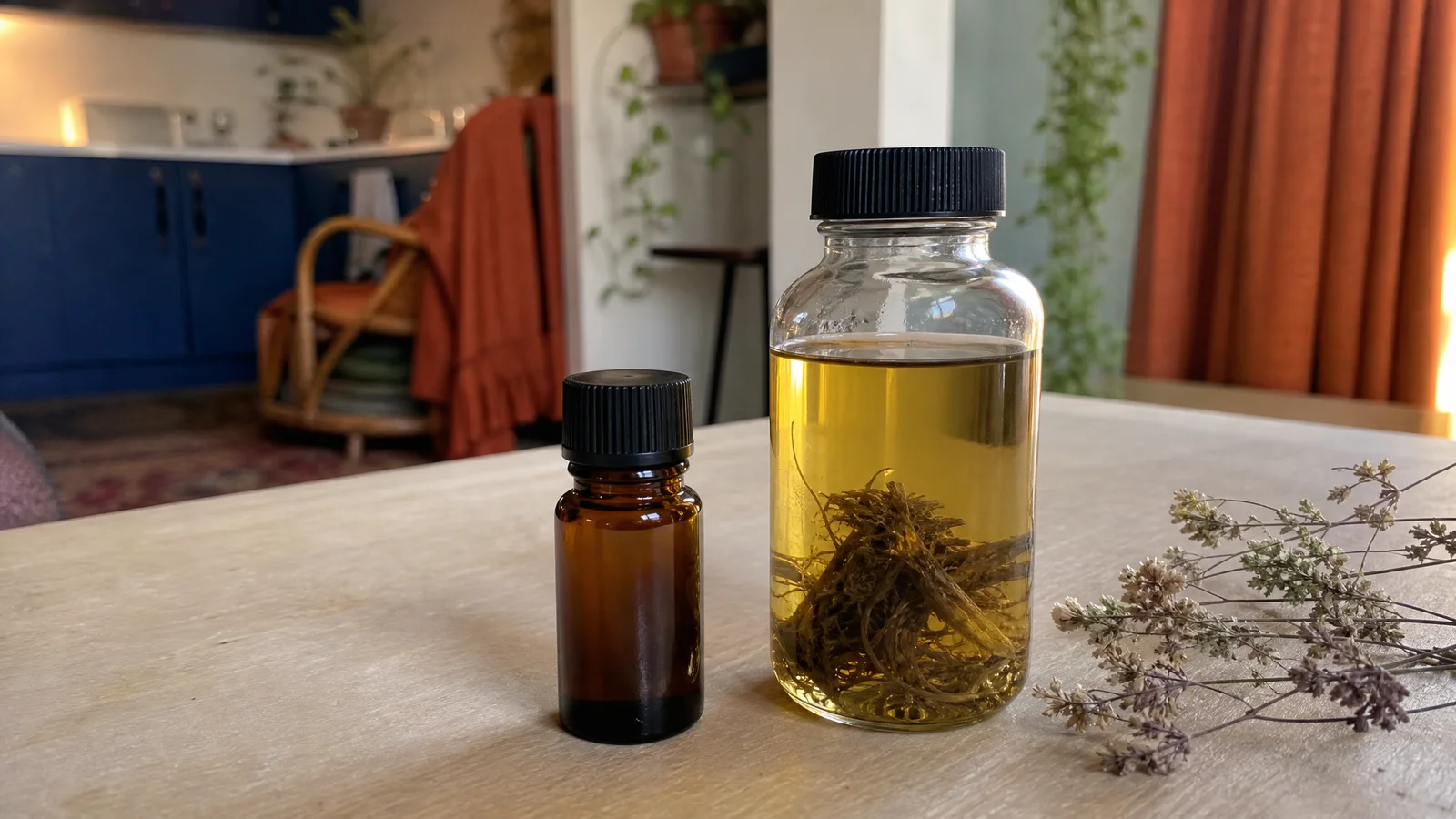
Valerian Root Essential Oil
Valerian Root Essential Oil from our own shop, in sizes from 0.5 oz to bulk.
From $31.99
Shop Now →Sources & Further Reading
- Cornara et al., Comparative and Functional Screening of Three Species Traditionally used as Antidepressants: Valeriana officinalis L., Valeriana jatamansi Jones ex Roxb. and Nardostachys jatamansi (D.Don) DC. (Plants, 2020)
- Raal et al., Variation in the composition of the essential oil of Valeriana officinalis L. roots from Estonia (Proceedings of the Estonian Academy of Sciences, Chemistry, 2007)
- Raina and Negi, Essential oil composition of valeriana jatamansi jones from himalayan regions of India (Indian Journal of Pharmaceutical Sciences, 2015)
- Dhiman et al., De novo transcriptome analysis of the critically endangered alpine Himalayan herb Nardostachys jatamansi reveals the biosynthesis pathway genes of tissue-specific secondary metabolites (Scientific Reports, 2020)
- Arctander, Perfume and Flavor Materials of Natural Origin (1960), monographs on Valerian Oil and Spikenard Oil