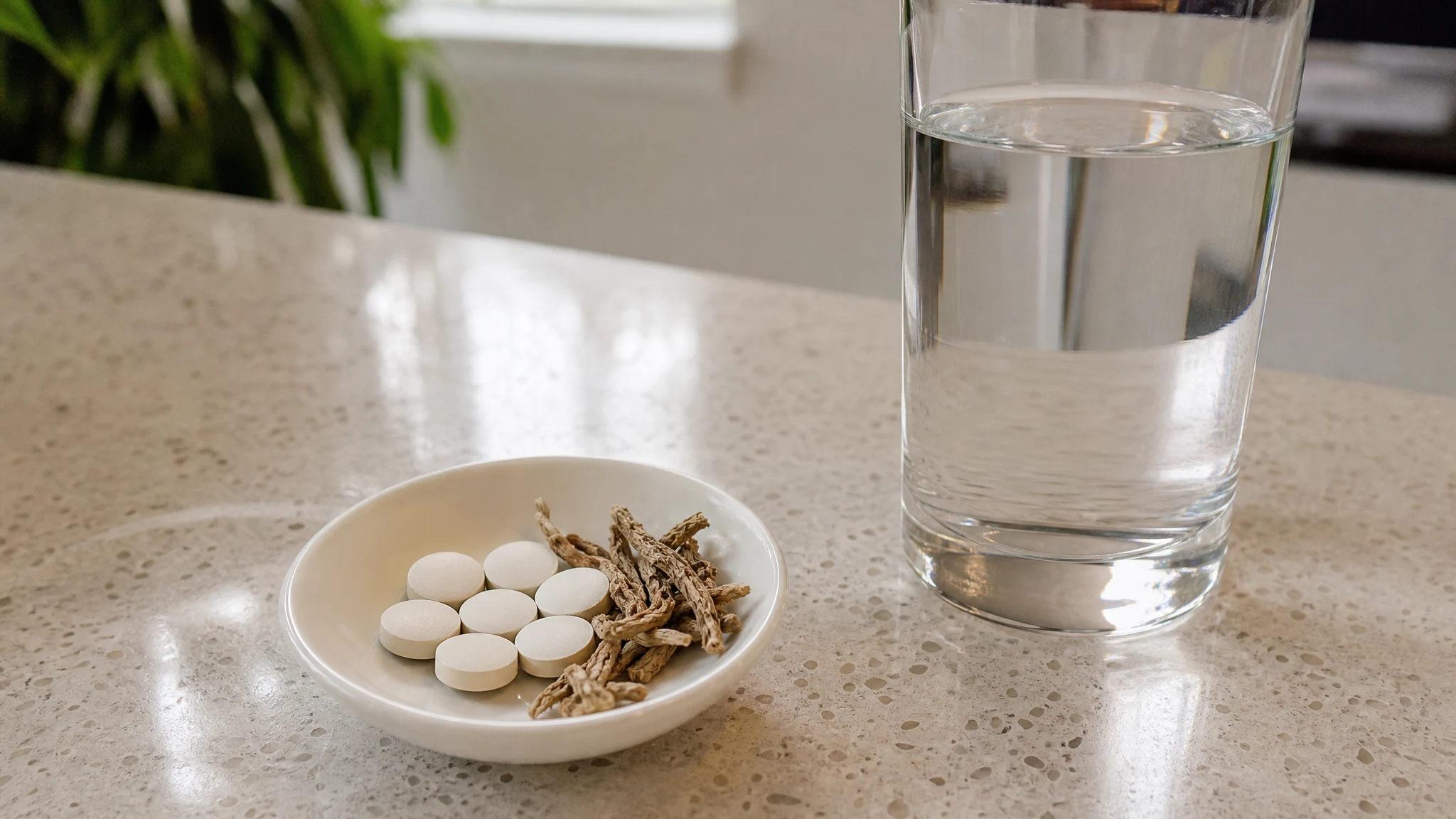
5 Ways to Use Valerian Oil in Small Amounts
Valerian root oil has a short list of sensible uses and a much longer list of things people attach to it. The sensible list is all about aroma: a trace in a diffuser blend, a base note in a perfume accord, a whisper in soap or candles, a light dilution for skin. The longer list, mostly about sleep and stress, comes from studies of oral root preparations and does not apply to a bottle of oil. Here is how we would walk a curious customer through it.
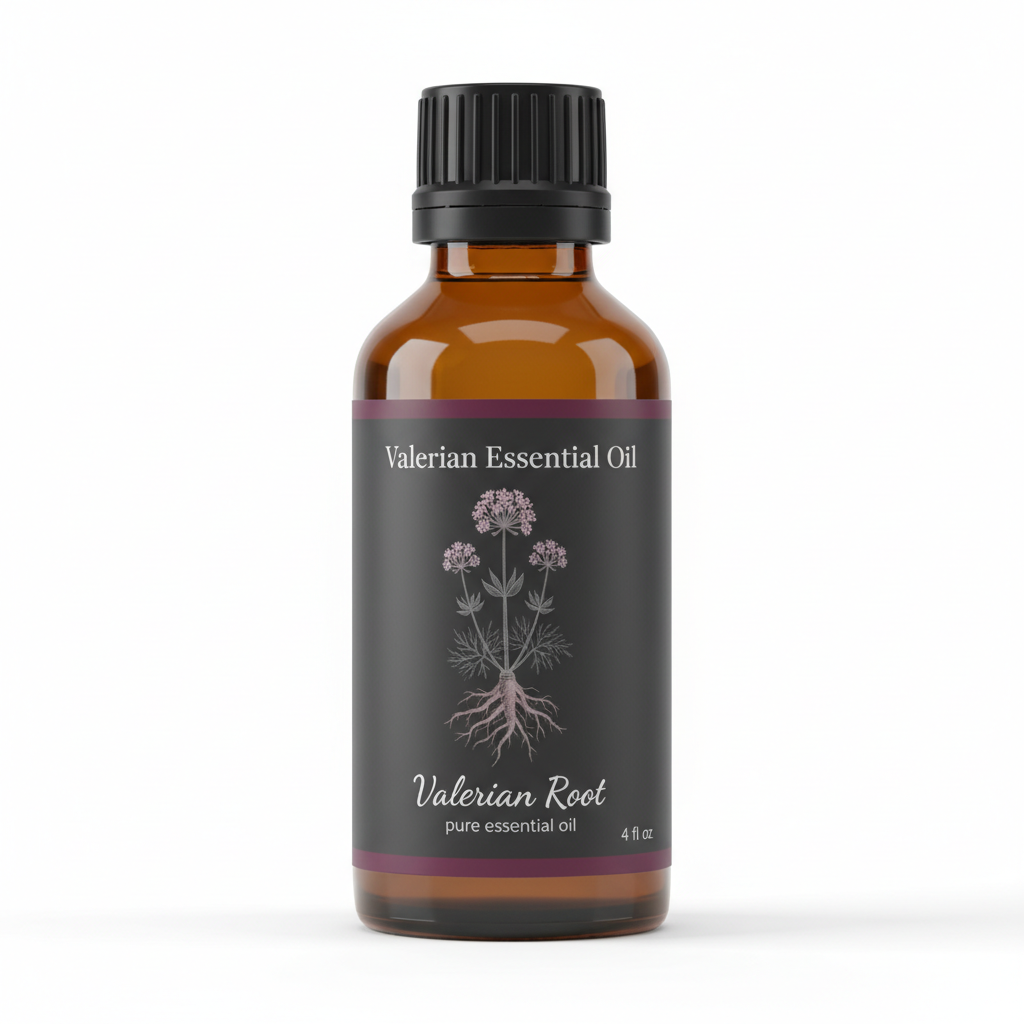
Valerian Root Essential Oil
Our own Valerian Root Essential Oil, in sizes from 0.5 oz to bulk.
From $31.99
Shop Now →One rule behind every use
This oil is strong. We say it will dominate anything it sits beside, and we recommend using it in traces rather than by the drop. Each use below is a small-quantity use, and the way things go wrong is nearly always too much, not too little. We sell it as a perfumery-style base note oil, for external aromatic and cosmetic use only, never for internal use.
1. A whisper in a diffuser blend
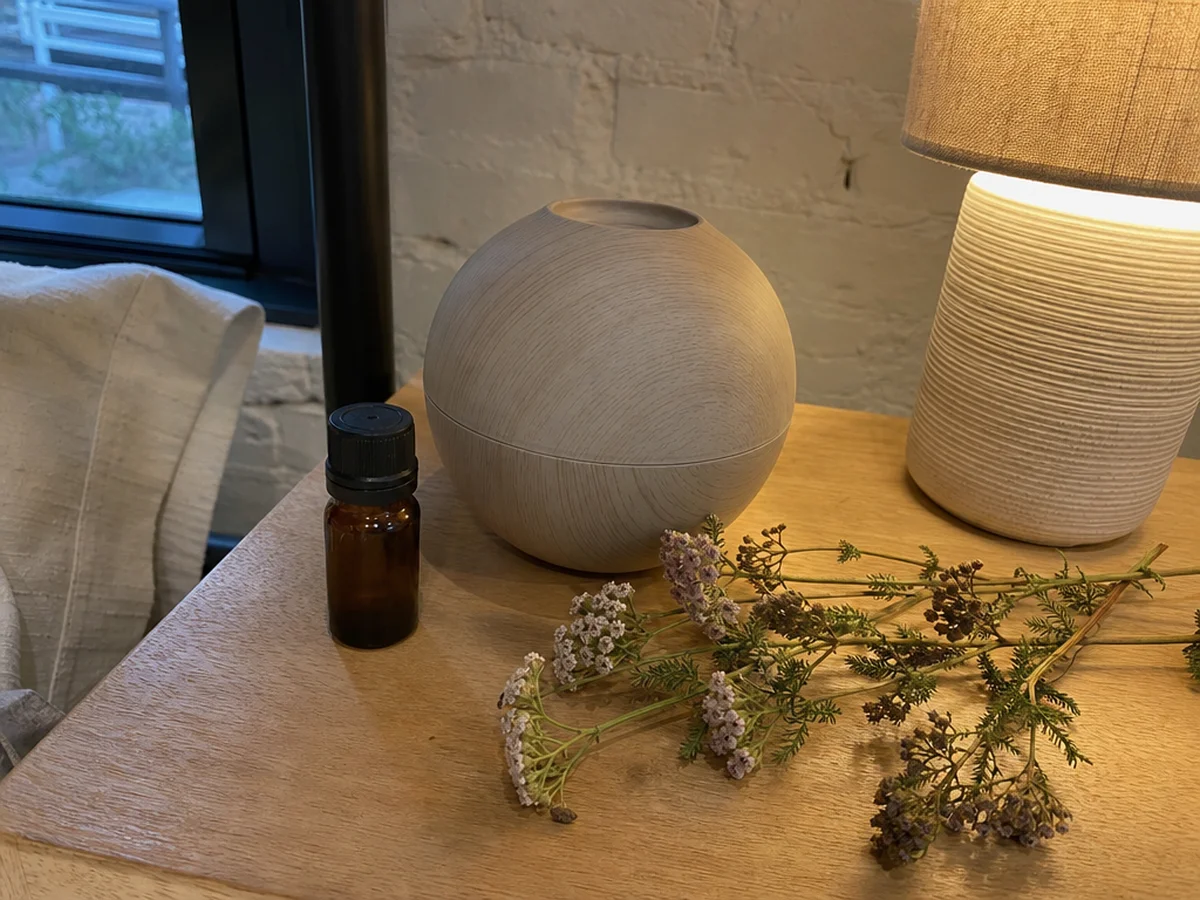
We suggest a whisper of valerian in an evening diffuser blend with lavender or cedarwood. If you like numbers, the single batch on our Certificate of Analysis measured a relative density of 0.947, so a milliliter weighs about 0.947 g, and at the usual convention of 20 drops to the milliliter a drop is about 47 mg. That is arithmetic on one batch, and a thick oil gives larger drops, so weigh if you can. The point is that one drop is already a lot of scent. Your diffuser’s manual will cover which oils suit your unit, and our post on the best diffuser for valerian oil goes further. Keep cats in mind: they are strongly drawn to the scent, so the bottle stays sealed and out of reach.
2. On skin, diluted
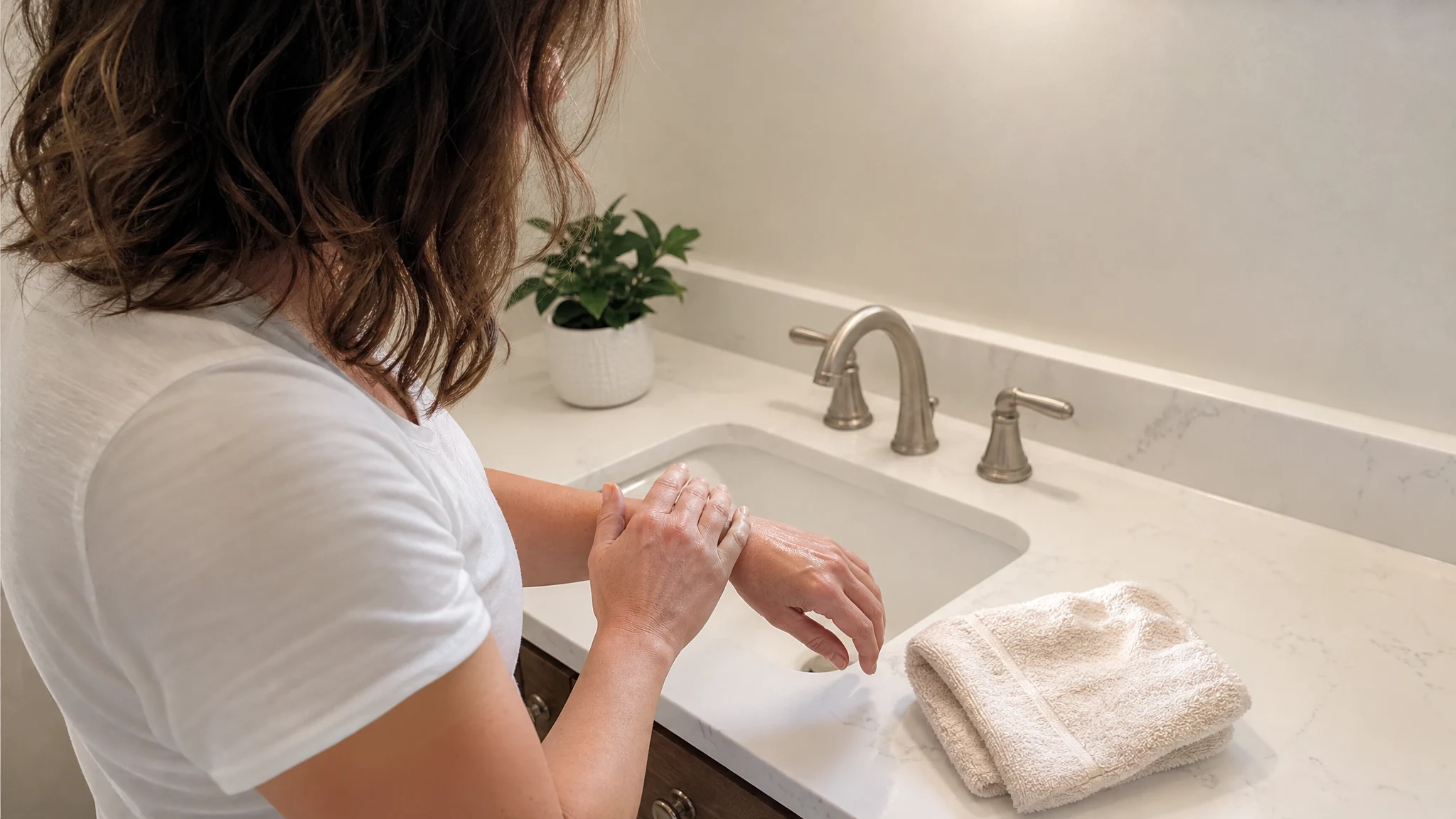
Our guidance for skin is 0.5% to 2% in a carrier oil, patch test first, away from eyes, children and pets, and we suggest beginning at the low end. Poison Control says that diluting an essential oil in a carrier oil is the best way to avoid a bad reaction from direct skin contact, and that oils should not go on damaged skin. The FDA adds that many plants contain materials that are toxic, irritating or likely to cause allergic reactions on skin, and that a natural label does not guarantee safety. For your own formulations, please check current IFRA standards too. In one ounce (29.57 ml) of carrier, the arithmetic looks like this:
| Dilution | Oil in 1 oz carrier | Approximate drops |
|---|---|---|
| 0.5% | 0.15 ml | 3 |
| 1% | 0.30 ml | 6 |
| 2% | 0.59 ml | 12 |
Our dilution guide and a worked massage oil formulation cover method and carriers. Carrier oils come from a craft or supply shop.
3. A base note in perfumery
This is where the oil fits most naturally. It is deep, earthy and musky with a balsamic sweetness at the end, and it sits well with patchouli, vetiver, cedarwood, lavender, oakmoss and clary sage. Natural perfumery is a craft with plenty of personal taste in it, and our posts on natural perfumery and pairing valerian in blends explore it. If you plan to sell what you make, note that the FDA decides whether an aromatherapy product is a cosmetic or a drug mainly from its intended use, which it reads from labeling, websites and advertising. A sleep or stress claim on a label changes the category.
4. Soap and candles, in traces
Trace amounts in soap and candles, alongside patchouli and vetiver, are uses we list. Because the scent dominates, the advice is the same as everywhere else: go small, and test on a small batch. If you make soap or candles in volume, larger sizes are on our bulk page.
A tip before you start any of these
Smell the oil on a blotter strip before it goes anywhere near a project. Valerian is not shy, and the version that comes off a strip an hour later is often different from the one that greeted you at the bottle. If the aroma pleases you after that, move on to the recipe; if it feels like too much, you have saved yourself a batch. Write the amount you used on a label as you go, so a good result can be repeated and a heavy hand can be corrected.
5. Bath and linen
Bath oils and linen sprays are popular recipe categories, and our posts on a bath oil formulation and a linen spray work through them as formulations built from dilution arithmetic. Oil and water do not mix on their own, so those posts spend their time on dispersion.
Matching the use to the bottle
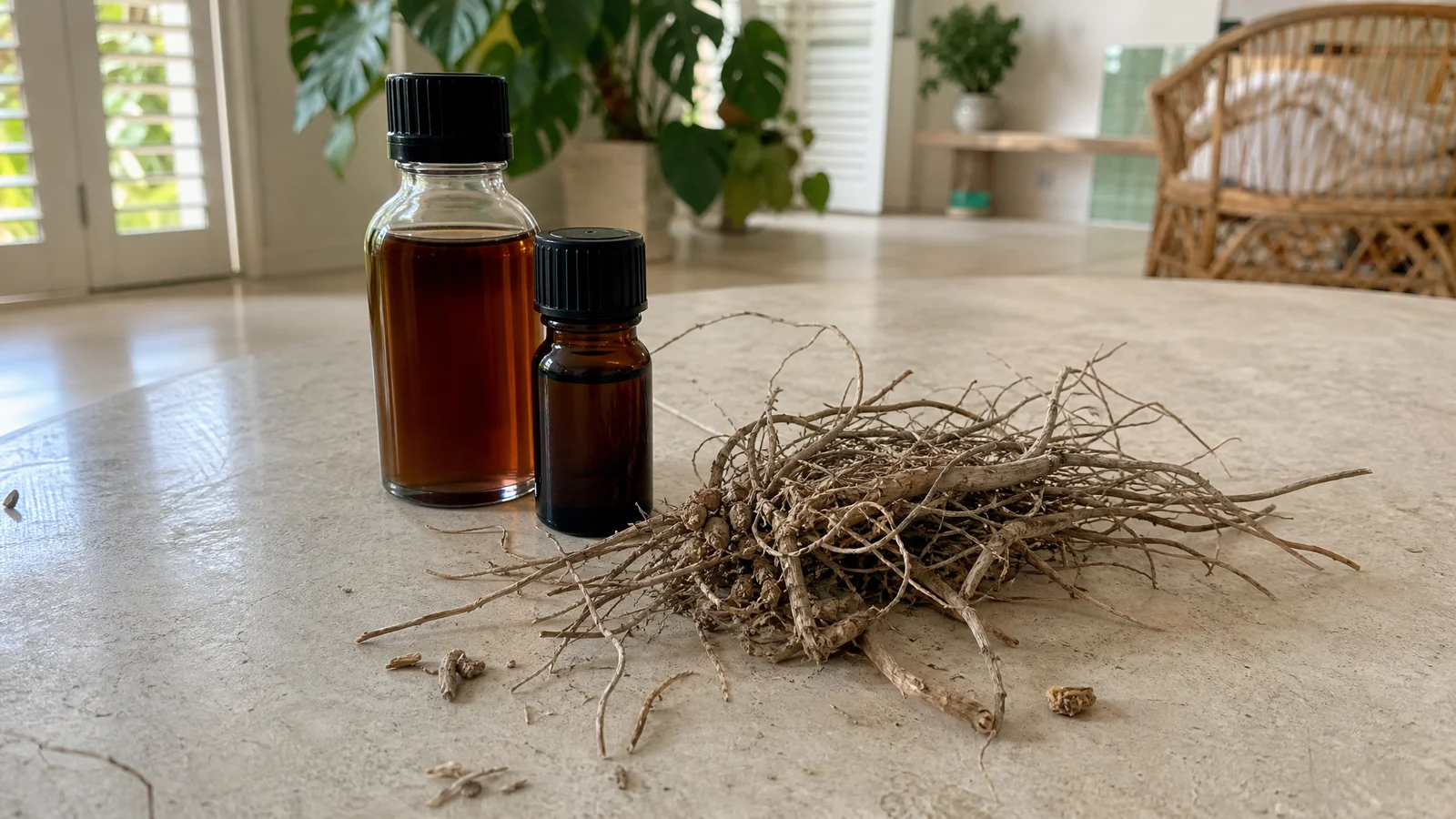
Because every use here is a trace use, a small bottle from our shop goes a long way. Amber glass with a black cap keeps light off the oil, and the label carries the botanical name and size, which is handy when you are keeping notes. Store the bottle tightly capped in a cool, dark cabinet, and decant only what you need for the day's work into a smaller airtight container, so the main bottle is not opened over and over. Cats are drawn to the scent, so it helps to do your measuring somewhere with a door you can close.

What we would leave alone
Not by mouth: if an essential oil is swallowed, call a poison center (1-800-222-1222 in the United States). Not as a remedy: we make no sleep, stress or pain claim for it, and the studies people quote concern oral products. Not for babies and children, as Poison Control notes that children have thin skin and immature livers. We recommend avoiding it in pregnancy as a precaution and never combining it with sedative medication; ask a physician or pharmacist about your own situation. Our children post and sleep post go deeper.
If the aroma suits you, use it in traces and dilute it for skin. If you came looking for a sleep remedy, this is a perfumery oil, and a pharmacist or physician is the right person to ask.
Valerian Root Essential Oil
Valerian Root Essential Oil from our own shop, in sizes from 0.5 oz to bulk.
From $31.99
Shop Now →