
Valerian Tea vs Valerian Oil: Two Very Different Evening Habits
Both sit in the same corner of the natural world. Both carry that distinctively earthy, root-forward scent that divides people neatly into two camps: those who find it grounding and those who find it genuinely alarming. But valerian root tea and valerian essential oil are not interchangeable, and choosing between them is less about which one is "better" and more about understanding what each one actually does for your evening.
This comparison looks at both options honestly: how they're made, how they're used, what they offer to a wind-down routine, and where each one tends to fall short. If you've been curious about adding a valerian-based habit to your evenings and aren't sure where to start, this should help you decide.
First, a Quick Word on What Each Product Actually Is
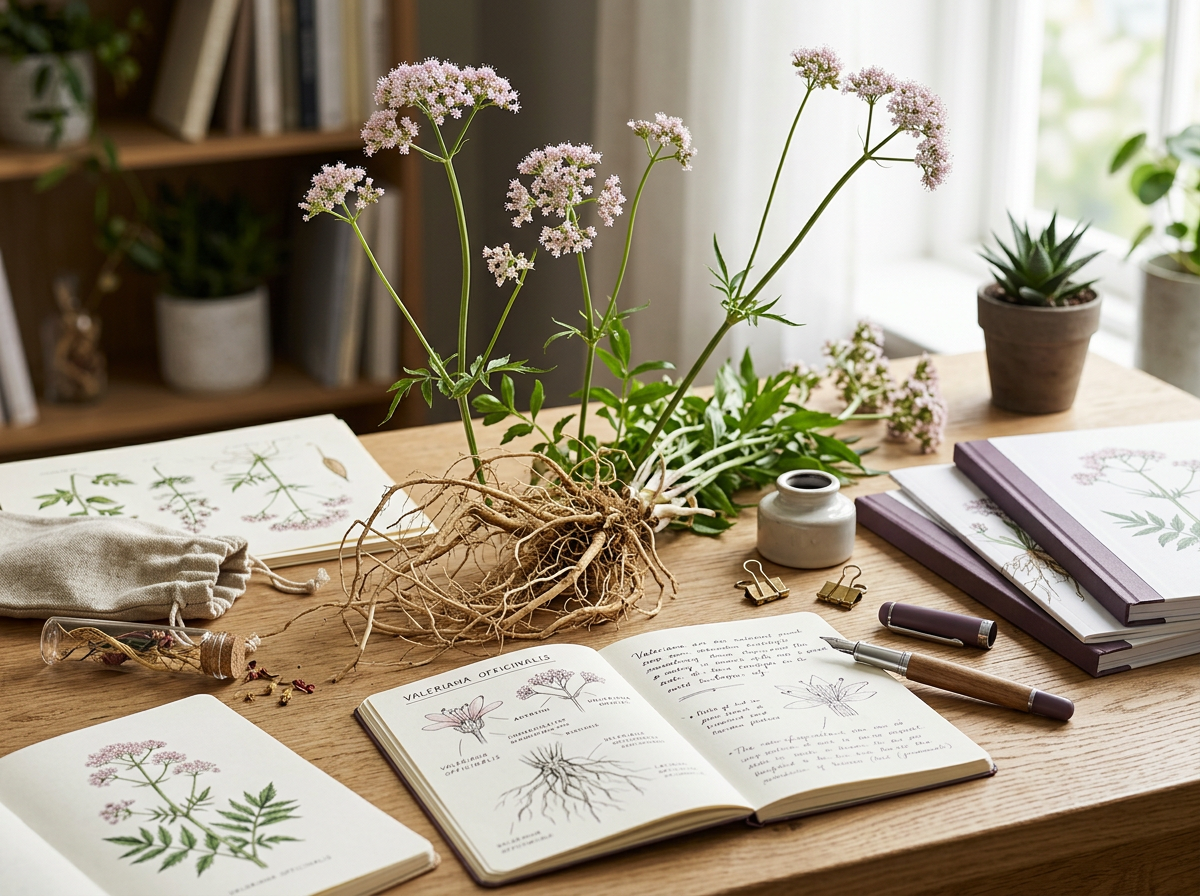
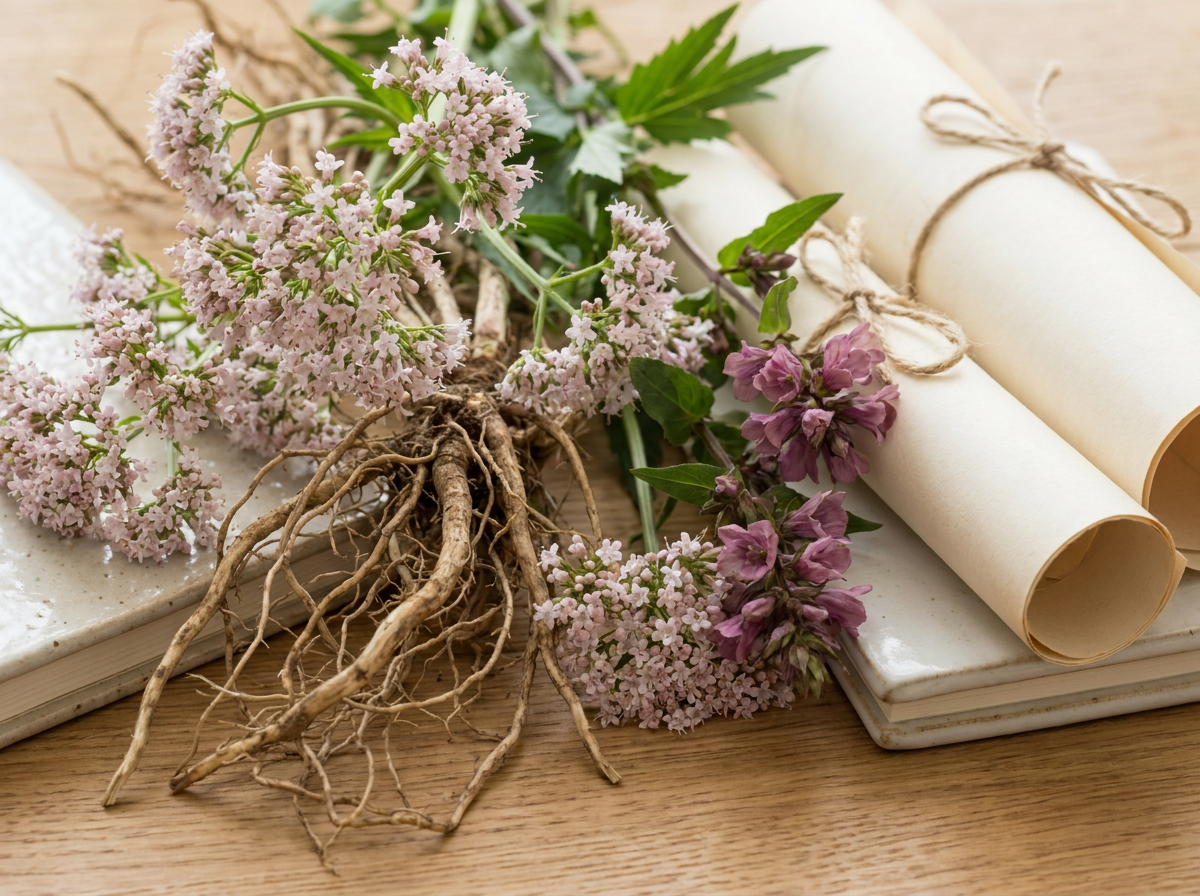
Valerian root tea is made by steeping dried Valeriana officinalis root in hot water. The resulting infusion contains water-soluble compounds from the root, including certain iridoids and small amounts of essential oil that transfer into the liquid during brewing. It's consumed orally and has a long history of use in European herbal traditions.
Valerian essential oil is produced by steam-distilling the dried root. The result is a concentrated aromatic extract used in diffusers, personal inhalers, and diluted topical blends. It is not for internal use. The oil captures the volatile aromatic compounds of the root, which is why its scent is so bold and why it behaves so differently from the tea.
Same plant, very different products. That distinction matters for everything that follows.
Capsules are the other form the root is sold in, and valerian oil vs valerian capsules covers that comparison.
Side-by-Side Comparison
| Attribute | Valerian Root Tea | Valerian Essential Oil |
|---|---|---|
| Method of use | Oral (consumed as a beverage) | Aromatic (diffused, inhaled, diluted topical) |
| Scent intensity | Earthy and mild in cup form | Very strong, musty, deeply root-forward |
| Preparation time | 8-12 minute steep | Seconds (add drops to diffuser) |
| Ritual quality | High: warmth, brewing, holding the cup | Moderate to high: atmospheric, ambient |
| Shelf life | Dried root: 1-2 years if stored well | 2-3 years in dark, cool storage |
| Portability | Good: tea bags travel easily | Moderate: needs a diffuser for best results |
| Cost per use | Low (loose root or tea bags) | Low-to-moderate (oil is concentrated) |
| Blending options | Limited: honey, lemon, chamomile blends | Extensive: lavender, cedarwood, vetiver, etc. |
| Who should avoid | Consult a provider if pregnant or on medications | Consult a provider; not for internal use |
Valerian Root Tea: Pros and Cons
What Works Well
- The ritual is the point. Brewing tea is a slow, intentional act. The time spent waiting for the kettle, measuring the root, watching the steep, wrapping your hands around a warm mug: these steps themselves signal to your body that the evening is shifting into a quieter gear.
- Familiar and accessible. Most people already have a tea habit of some kind. Swapping your usual evening cup for valerian root tea requires almost no new equipment or learning curve.
- The scent stays contained. If the bold, earthy aroma of valerian feels like too much to fill a whole room, the tea form keeps the experience in the cup. It's more personal, less pervasive.
- Widely available. Valerian root tea bags and loose root are sold in most health food stores, grocery chains with a natural section, and online. Quality varies considerably, so sourcing from a reputable supplier still matters.
Where It Falls Short
- The taste is polarizing. Valerian root tea is not a pleasant floral sip. It's bitter, earthy, and distinctly vegetal. Many people add honey or blend it with chamomile or lemon balm just to make it drinkable.
- No aromatic presence beyond the cup. If you want your bedroom or living room to carry a grounding atmosphere, the tea won't do that. Its influence ends when the cup does.
- Quality control is inconsistent. Loose root quality varies widely depending on harvest timing, drying methods, and storage. Pale, dusty root that's been sitting on a shelf for two years will deliver very little of the character you're looking for.
- More things to consider before use. Because valerian root tea is consumed internally, there are more potential interactions to think through. Always consult a qualified healthcare provider before adding it to your regular routine, especially if you take any medications.
Valerian Essential Oil: Pros and Cons

What Works Well
- Atmospheric reach. A few drops in a diffuser changes the feel of an entire room. This makes valerian oil a strong choice for creating an ambient wind-down environment rather than a solitary personal ritual.
- Blending flexibility. Valerian oil pairs beautifully with lavender, vetiver, cedarwood, sandalwood, and Roman chamomile. Blending lets you soften the raw earthiness of straight valerian into something that works better for your scent preferences. For creative starting points, the evening wind-down ritual with valerian article offers some well-tested combinations.
- Speed and convenience. No boiling water. No steeping time. Add oil, run diffuser, done. For evenings when you want the atmosphere without the preparation, this wins on pure practicality.
- Topical potential. Properly diluted in a carrier oil (typically 1-2% dilution for adults, meaning 6-12 drops per ounce of carrier), valerian oil can be incorporated into a nighttime body oil or pulse-point blend. Always patch-test first and keep dilution conservative.
Where It Falls Short
- The scent is a commitment. Neat from the bottle, valerian essential oil is aggressively musty and funky. In a diffuser, it softens and becomes more of a rich, rooty base note. But it's still not a crowd-pleaser. Housemates and partners deserve a vote in this decision.
- Less tactile ritual quality. Starting a diffuser is easy, but it doesn't have the same embodied, hands-on quality as brewing a cup of tea. Some people find they drift into the habit passively and eventually stop noticing it.
- Quality sourcing is critical. The essential oil market contains a lot of adulterated and mislabeled products. For valerian specifically (a lower-volume oil that's more expensive to produce), cutting with synthetic components is not uncommon. Look for suppliers who share GC/MS testing data. For more guidance on evaluating what's on the market, the complete guide to valerian oil evening rituals covers sourcing questions in depth.
- Not for children or pets without guidance. Essential oils require more caution around children and animals than a cup of herbal tea. Diffuse in ventilated spaces and consult a provider before using around vulnerable household members.
Best For: Matching the Option to Your Situation
Choose Valerian Root Tea If:
- You enjoy the ritual of making and holding a warm drink as part of winding down.
- You share a bedroom and your partner is sensitive to strong ambient scents.
- You want something you can take with you when traveling (tea bags pack easily).
- You prefer a contained, personal experience rather than an atmospheric one.
- You're new to valerian and want to start with a familiar format.
Choose Valerian Essential Oil If:
- You want to change the feel of a room, not just your own personal space.
- You already use a diffuser and want to expand your evening blend repertoire.
- You're interested in a topical element to your nighttime routine (properly diluted).
- You dislike the taste of valerian and would rather experience it aromatically.
- You want maximum blending options to customize the scent over time. The diffuser routine from one of our readers shows how a personal blending practice can develop naturally over months.
Consider Both If:
- You want to build a layered evening routine that engages multiple senses. A cup of valerian tea warming your hands while the diffuser quietly works in the background is a combination that many people find more effective as a transition ritual than either option alone.
Readers who settle on the oil often weigh it against a gentler bottle next, and valerian vs lavender oil covers that choice.
A Note on Safety for Both
Neither valerian tea nor valerian essential oil is without consideration. For the tea: discuss it with a healthcare provider if you are pregnant, nursing, or taking any prescription medications. For the oil: never ingest it, keep dilutions conservative for skin applications, and always patch-test a new batch. Both products should be stored away from children's reach.
If you have questions about whether either option is appropriate for your specific situation, a qualified healthcare provider is the right person to ask. This article is about building an evening atmosphere, not about addressing any health condition.
The Verdict
Valerian root tea and valerian essential oil serve different kinds of evenings. The tea is slower, warmer, more contained. It rewards people who want a deliberate, hands-on ritual and who don't mind learning to appreciate a flavor that takes some getting used to. The oil is faster, more atmospheric, and far more flexible as a blending material. It rewards people who think in terms of room ambiance and layered scent rather than a single drink.
Neither is a magic shortcut to a calm evening. Both work best when they're part of a consistent routine: the same time, the same low light, the same general rhythm. The valerian is one layer of that. What you build around it is what makes the habit stick.
If you're genuinely undecided, start with the tea. It's lower-commitment, easier to source well, and gives you a firsthand introduction to valerian's character before you invest in an oil you may need time to learn to work with. You can always add the diffuser later.