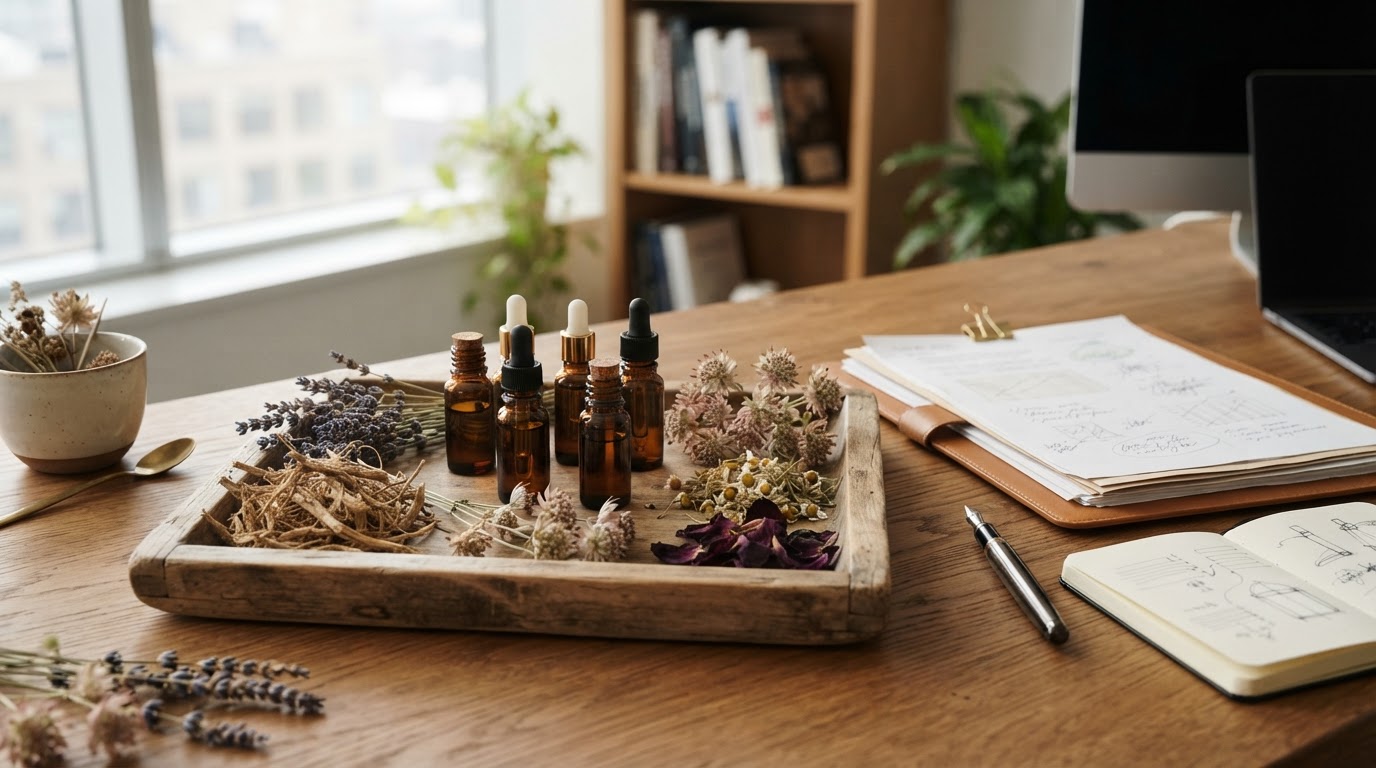
8 Valerian Diffuser Blends That Actually Smell Good
Valerian essential oil has a reputation. Anyone who has opened a bottle for the first time knows that the scent lands somewhere between damp forest floor and aged root cellar. It is bold, earthy, and deeply animalic in a way that catches people off guard. And yet, perfumers have long prized it as a fixative and base note precisely because of that rawness. The trick is knowing what to pair it with.
The eight valerian diffuser blends below are designed around one honest goal: making valerian oil smell genuinely good in your home. Not just tolerable. Not just functional. Actually good. Each recipe uses valerian as a base note and builds around it with complementary oils that soften its edges, highlight its more appealing woody and balsamic facets, and create an atmosphere worth coming home to.
Before you begin, a quick note on proportions. These recipes use drop counts for a standard 100 ml ultrasonic diffuser. Adjust up or down proportionally for larger or smaller units. All blends use valerian at a low percentage (typically one to two drops) so the composition stays balanced rather than overwhelming.
1. The Forest Floor: Valerian, Cedarwood, and Vetiver
This is the blend for people who lean into valerian rather than fight it. Cedarwood Atlas brings a warm, pencil-shaving dryness that slots naturally beside valerian's rooty character. Vetiver adds a smoky, almost leathery depth that makes the whole composition feel intentional and refined. Together, the three oils read less like a medicine cabinet and more like a walk through an old-growth forest after rain.
Try: 2 drops valerian, 4 drops cedarwood Atlas, 2 drops vetiver. Run for 30 minutes in a living room or study. The blend is dense and grounding, well-suited to quiet evenings when you want the space to feel substantial around you.
Practical takeaway: If your nose resists valerian on first sniff, this earthy diffuser recipe is a good starting point. The cedarwood acts as a familiar bridge, making valerian's character feel contextually appropriate rather than jarring.
2. The Warm Library: Valerian, Sandalwood, and Frankincense
Sandalwood (or a quality sandalwood alternative like amyris or Australian sandalwood) contributes a creamy, milky softness that rounds out valerian's rougher edges considerably. Frankincense adds a resinous brightness, a hint of citrus at the top that fades into a dry, almost papery base. The result is a blend that calls to mind old books, worn leather chairs, and candlelight.
Try: 1 drop valerian, 4 drops sandalwood, 3 drops frankincense. This blend works beautifully in smaller rooms. A bedroom or reading nook benefits most from its intimate, close quality. It layers well with low, warm lighting and makes early evenings feel genuinely luxurious.
Practical takeaway: This is one of the most approachable valerian oil blends for newcomers. Sandalwood's smoothness does a lot of heavy lifting, and most people find the combination more universally appealing than valerian paired with sharper oils.
3. The Night Bloom: Valerian, Ylang Ylang, and Bergamot
This combination sounds unlikely, and that is exactly what makes it interesting. Ylang ylang is intensely floral, almost narcotic in its sweetness at high concentrations. At low doses, it brings a jasmine-adjacent richness that softens valerian's animalic bite without masking it. Bergamot lifts the top of the blend with a clean, green-citrus note that dissipates quickly, leaving the floral and earthy base to develop on its own.
Try: 1 drop valerian, 2 drops ylang ylang, 4 drops bergamot. The bergamot will lead initially, transition through ylang ylang's floral warmth, and settle into valerian's grounding earthiness. It behaves almost like a proper fragrance dry-down, which makes it one of the more sophisticated earthy diffuser recipes on this list.
For a fuller look at how valerian oil fits into broader evening routines, visit the complete guide to evening rituals with valerian oil.
Practical takeaway: Use bergamot FCF (furanocoumarin-free) if you are diffusing in a room with direct sunlight or near a window, as standard bergamot contains compounds that may cause photosensitivity on skin contact.
4. The Campfire Cabin: Valerian, Black Spruce, and Clove Bud
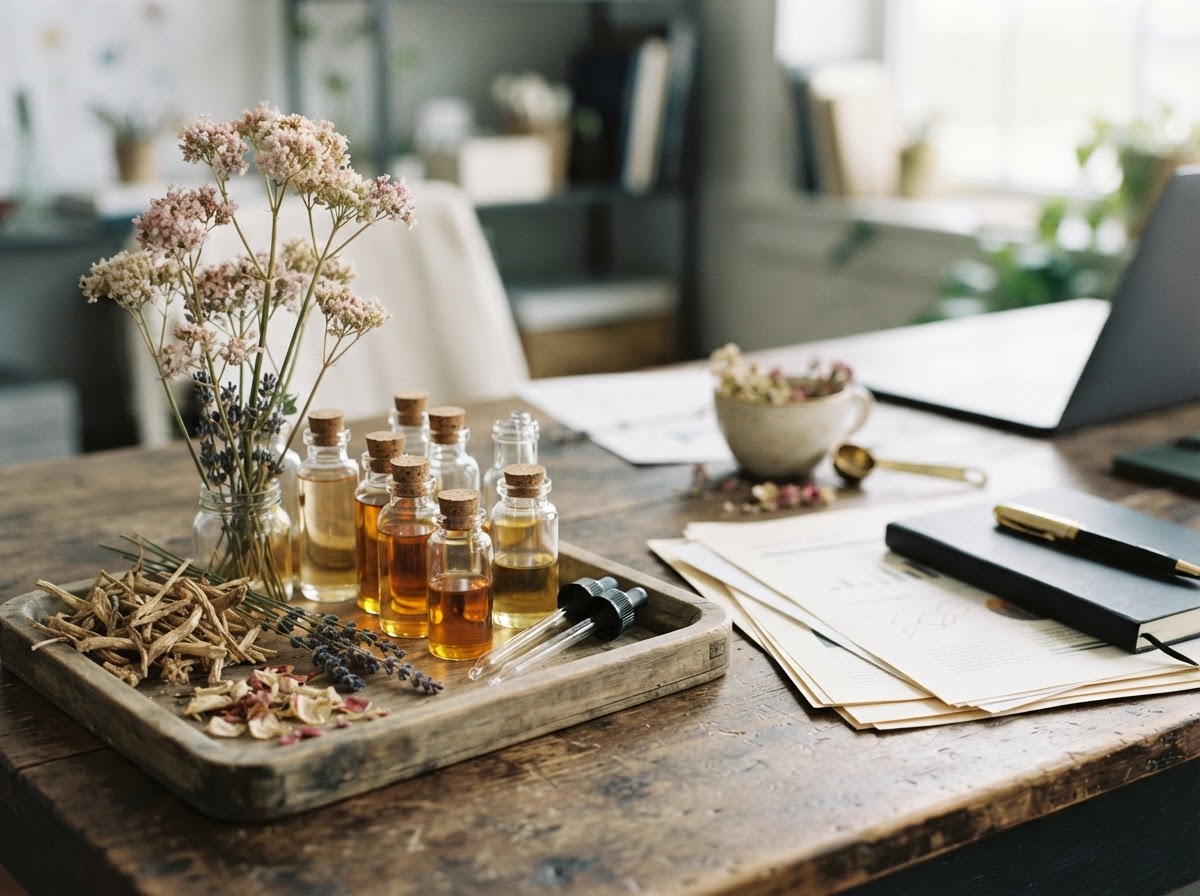
Black spruce is a powerfully aromatic conifer oil with a fresh, piney quality that cuts through heavier base notes like a breath of cold air. Clove bud adds a spicy warmth, something almost culinary and slightly sweet, which bridges the gap between spruce's sharpness and valerian's earthiness. The effect is an outdoor-meets-indoor atmosphere: campfire smoke, pine needles, and damp soil.
Try: 1 drop valerian, 3 drops black spruce, 2 drops clove bud. Clove is a potent oil. Keep it at no more than two drops in a blend, as it can easily overpower everything else. This recipe is particularly well-suited to autumn and winter evenings when you want your space to feel enveloping and warm.
Practical takeaway: Clove bud essential oil is a skin sensitizer at higher concentrations. Keep it strictly in the diffuser rather than transferring this blend to any leave-on product. In the diffuser at these proportions, it contributes beautifully without concern.
This blend belongs to the colder months, and our seasonal case for valerian's deep aroma explains why.
5. The Herbal Garden: Valerian, Lavender, and Clary Sage
This is the most classically "relaxing evening" blend on the list, and it earns that description on scent alone. Lavender softens valerian dramatically. Its familiar floral-herbal profile makes valerian feel like a natural companion rather than an outlier. Clary sage adds a slightly nutty, musky dimension that gives the blend more texture than straightforward lavender-and-valerian combinations typically achieve.
Try: 2 drops valerian, 4 drops lavender, 2 drops clary sage. This blend diffuses well throughout larger rooms and holds its character for a full hour-long session. It is a reliable choice for a consistent bedtime wind-down atmosphere, and it pairs well with dimmed lights and a slow evening pace.
If you enjoy this kind of herbal, grounding scent and want to carry it beyond the diffuser, the DIY valerian pillow mist adapts similar notes into a linen spray format.
Practical takeaway: Clary sage should be used with care during pregnancy. If relevant, substitute Roman chamomile for a gentler herbal note that pairs equally well with both lavender and valerian.
6. The Spiced Root: Valerian, Cardamom, and Patchouli
Patchouli and valerian share a common vocabulary. Both are deeply earthy, both have a fermented or aged quality, and both tend to polarize casual sniffers while captivating those who appreciate complex base notes. Bringing them together might sound risky, but cardamom changes the equation entirely. Its bright, slightly sweet spice note adds lift and clarity, guiding the nose toward the more appealing facets of both oils.
Try: 1 drop valerian, 2 drops patchouli, 3 drops cardamom. This is a bold, incense-adjacent blend that works best in spaces where you want a strong aromatic presence: a home office, a yoga or meditation area, or a living room during a slow weekend afternoon. It carries a slightly exotic quality that makes it stand apart from more common diffuser recipes.
Practical takeaway: Both valerian and patchouli are heavy oils. They can occasionally leave a faint residue in diffuser reservoirs over time. Rinse your diffuser with a little rubbing alcohol after using this blend to keep it running cleanly.
7. The Evening Citrus: Valerian, Sweet Orange, and Ginger
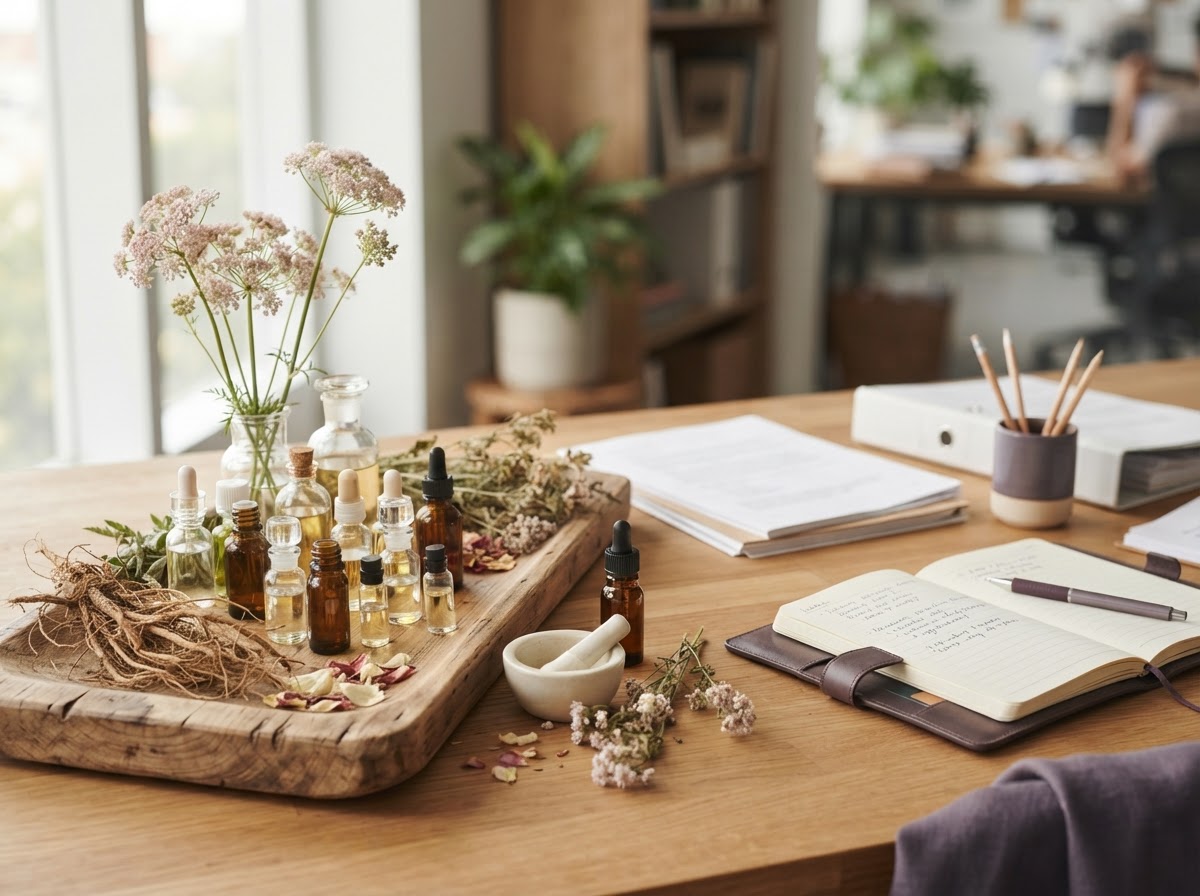
Citrus and earthy base notes are a well-established pairing in professional perfumery, and this combination shows exactly why. Sweet orange is bright, juicy, and familiar in a way that immediately makes a room feel welcoming. Ginger adds a dry, slightly zesty warmth beneath the citrus that acts as a bridge down toward valerian's rooty depth. The blend starts cheerful and settles into something more grounded as the citrus top notes dissipate.
Try: 2 drops valerian, 4 drops sweet orange, 2 drops ginger. This is an ideal early-evening blend, right at that transitional hour between the activity of the day and the slower pace of night. It feels uplifting without being bright enough to conflict with winding down. Run it for 30 to 45 minutes as you move from dinner to relaxation.
Practical takeaway: Sweet orange essential oil has a relatively short shelf life once opened, typically six to twelve months. Use it while it is fresh for best aromatic results. Oxidized citrus oils lose their characteristic brightness and can smell flat in blends.
8. The Deep Amber: Valerian, Benzoin, and Ho Wood
Benzoin resinoid (or benzoin essential oil, which is typically a diluted resinoid in a carrier) is one of the most underused tools in home diffusing. It smells like warm vanilla and baked goods with a faintly smoky undertone, and it has a remarkable ability to smooth and unify challenging base notes. Ho wood, a sustainable alternative to rosewood, adds a soft, rosy-woody quality that gives this blend a gentle floral lift without veering into perfume territory.
Try: 1 drop valerian, 3 drops benzoin (if using a diluted resinoid, follow the manufacturer's diffusing guidance), 4 drops ho wood. This is the warmest, most enveloping blend on the list. It reads as something close to an artisan fragrance for the home: complex, inviting, and lingering. It is a particularly good choice for cooler months when you want your space to feel genuinely cozy.
For those interested in taking this kind of deep, amber-toned valerian blend into a full body experience, the DIY valerian bath oil offers a grounding soak that works along similar aromatic lines. Always ensure essential oils are properly diluted before any skin contact.
Practical takeaway: Benzoin resinoid can be thick and may require gentle warming before adding to a diffuser reservoir. Some ultrasonic diffusers handle thicker oils less well than others. Check your diffuser's guidelines, and consider adding the benzoin to the water first before layering other oils on top.
A Few Notes on Working With Valerian Oil in Blends
Valerian essential oil is steam-distilled from the dried root of Valeriana officinalis. Its characteristic scent comes primarily from isovaleric acid and a family of compounds called iridoids, particularly valerenic acid. The oil tends to deepen and mellow slightly as it ages, so a bottle that smells particularly sharp when first opened may become more pleasant after a few weeks.
Keep valerian oil blends to low percentages in your diffuser. One to two drops in a blend of eight is usually sufficient. The oil projects well and can easily dominate a composition if used generously. Starting low gives you room to adjust upward if you find the blend needs more earthiness.
Store valerian oil away from heat and direct light. A dark glass bottle in a cool drawer or cabinet will preserve its quality far longer than leaving it on a sunny windowsill. Good sourcing matters too: look for oils that list the botanical name, country of origin, and extraction method on the label. A quality valerian oil should smell complex and rooty, not simply musty or flat.
These valerian diffuser blends are a starting point. Once you are comfortable with how valerian behaves in a composition, experiment freely. It pairs surprisingly well with tobacco absolute, hay absolute, and even rose at very low concentrations. The oil rewards curiosity.
For a picture of how these blends behave night after night, read one reader's quiet-house diffuser routine.